The Girl From the Other Side Review: A Cursed Forest Creature and the Small Girl Who Calls Him Teacher
by Nagabe
Read the first volume. If it doesn't hook you, put it down. It'll hook you.
Buy The Girl From the Other Side: Siúil, a Rún on Amazon →*Affiliate link — I earn a small commission at no extra cost to you.
Quick Take
- The most beautiful dark fairy tale manga in English — Nagabe's art is extraordinary and the relationship between Teacher and Shiva is among manga's most genuinely affecting bonds
- Horror through implication and melancholy rather than gore; appropriate for readers who want emotional darkness rather than graphic content
- 11 volumes complete; among the most beautiful things in manga
Who Is This Manga For?
- Readers who want dark fantasy manga that achieves its horror through atmosphere and emotion
- Fans of fairy tale aesthetics who want something more melancholic and genuine
- Anyone who can engage with a story where the ending is visible from the beginning
- Readers who want a complete series with extraordinary art
Content Warnings & Age Rating
Age Rating: T (Teen) Content Warnings: Dark fairy tale themes; curse that prevents touch; loss and departure are the series' sustained emotional content; the melancholic tone is constant
The T rating is appropriate. Nothing graphic; the emotional content is the intensity.
Yu's Rating
| Category | Score |
|---|---|
| Story Depth | ★★★★★ |
| Art Style | ★★★★★ |
| Character Development | ★★★★★ |
| Accessibility for Non-Japanese Readers | ★★★★★ |
| Reread Value | ★★★★★ |
Story Overview
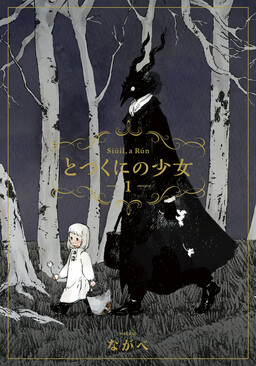
Shiva is a small girl living in the forest outside a kingdom divided between the Inner World (humans) and the Outer World (cursed creatures). Teacher is one of the Outer World — a tall, dark figure with a featureless face and bird-like features who has taken Shiva in after she became separated from her grandmother.
Teacher cannot touch Shiva. If he does, she will be cursed. He cooks for her, reads to her, listens to her, and maintains the boundary of what he cannot give her with careful, painful precision.
The series circles around what Shiva knows about her situation (less than the reader), what Teacher knows (more than he says), and what will happen when the kingdom's forces reach them — which will happen, and which both of them know.
Characters
Teacher — His care for Shiva, expressed entirely through action and maintenance of her comfort within the constraints of what he cannot provide, is the series' central emotional content. What he is, what he remembers, and what he is willing to do for her are the series' mysteries.
Shiva — Her understanding of her situation develops slowly, and the series carefully protects the reader's knowledge of what she knows vs. what she doesn't. Her innocence is not ignorance; her trust is not naivety.
Art Style
Nagabe's art is the series' most discussed element and justly so — the black-and-white illustration uses shadow and white space to create atmosphere rather than density. Teacher's dark form against the forest backgrounds is visually striking throughout. The art is the kind of work that generates immediate recognition: there is nothing else that looks like this.
Cultural Context
The Girl From the Other Side engages with Western fairy tale tradition — the cursed creature, the innocent child, the magical forest, the kingdom's fear — in a Japanese manga form that strips the tradition to its emotional core. The Irish title (Siúil, a Rún — "walk, my love") is a folk song reference that frames the series' sustained theme of departure.
What I Love About It
The cooking sequences. Teacher cannot touch Shiva, so he cooks for her — prepares her food, maintains the small domestic rituals of care that substitute for physical contact. The specific tenderness of these sequences, and what they represent about what Teacher is capable of and what he cannot do, is where the series lives.
What English-Speaking Fans Say
The Girl From the Other Side is consistently cited in English-speaking fandom as the manga most likely to make readers cry without containing a single conventional sad scene — the emotion accumulates through the sustained portrait of care under constraint. The art is universally praised. The ending is discussed with the care usually reserved for literary fiction.
Memorable Scene ⚠️ Spoiler Warning
The chapter where Teacher finally understands fully what Shiva means to him — expressed through the specific action he takes, without words, in a moment when words are impossible — is the series' most complete emotional delivery.
Similar Manga
- Mushishi — Dark supernatural, human/spirit relationship, similar melancholic atmosphere
- Natsume's Book of Friends — Human/spirit care relationship, warmer tone
- Made in Abyss — Dark fairy tale aesthetics, different register
- Somali and the Forest Spirit — Creature/child protective relationship, warmer tone
Reading Order / Where to Start
Volume 1 — the forest world and the Teacher/Shiva relationship establish immediately.
Official English Translation Status
Seven Seas Entertainment published the complete 11-volume run. All volumes available.
Pros & Cons
Pros
- Nagabe's art is extraordinary and unmistakable
- The Teacher/Shiva relationship is among manga's most affecting bonds
- Complete in English with full resolution
- Among the best examples of dark fairy tale manga in any language
Cons
- The melancholic tone is sustained and unrelenting — requires specific emotional readiness
- The ending is emotionally significant and may be difficult
- The quietness of the storytelling requires patient reading
Format Comparison
| Format | Notes |
|---|---|
| Individual Volumes | Seven Seas; standard |
| Digital | Available |
Where to Buy
Read the first volume. If it doesn't hook you, put it down. It'll hook you.
This post contains affiliate links. If you purchase through these links, I may earn a small commission at no extra cost to you. As an Amazon Associate, I earn from qualifying purchases.
*Affiliate link — I earn a small commission at no extra cost to you.
Reading Guides
More Manga You Might Like
Horror / Fantasy
Rozen Maiden
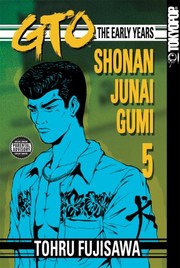
Yu's review of Rozen Maiden — Jun Sakurada is a socially withdrawn boy who refused to attend school; a doll named Shinku arrives and he winds her key, forming a contract that makes him her medium; she is one of the Rozen Maidens, dolls crafted by the legendary dollmaker Rozen who must fight each other until one remains to become Alice.

Horror / Fantasy
Dance in the Vampire Bund
Yu's review of Dance in the Vampire Bund — Mina Tepes, the centuries-old queen of all vampires in the body of a child, reveals vampires to the world and buys the Bund, a sovereign island in Tokyo Bay; werewolf Akira Kaburagi, bound to her by a childhood oath, protects her through the political and violent fallout. A 14-volume political vampire epic complete in English from Seven Seas — and a series whose loli fanservice you have to know about going in.
Horror / Drama
Barbara
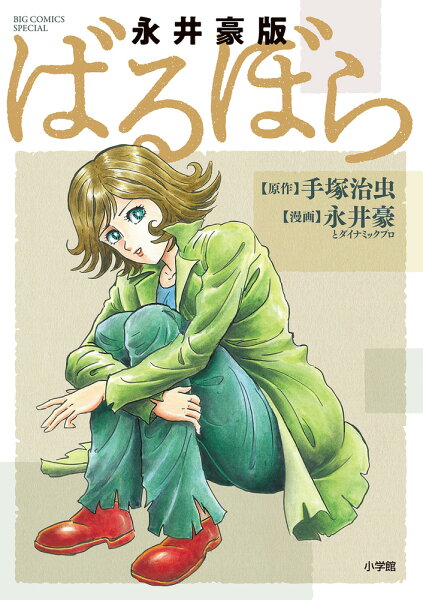
Yu's review of Barbara — Osamu Tezuka's adult psychological horror about Yosuke Mikura, a celebrated novelist who takes in a filthy, drunken muse named Barbara and descends through black masses, perversion, and madness as he loses the ability to tell art from destruction.
Horror / Mystery
Higurashi When They Cry
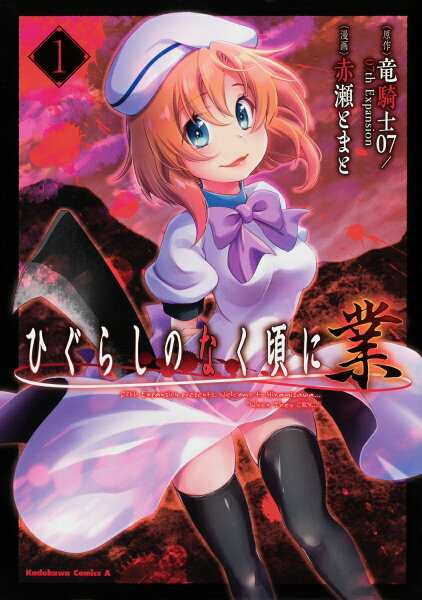
Yu's review of Higurashi When They Cry — Keiichi Maebara moves to the rural village of Hinamizawa and discovers that every year, during the village festival, someone dies and someone disappears; the story resets across multiple arcs, each showing different versions of the same events as Keiichi and his friends try to understand and survive what the village is doing to them.
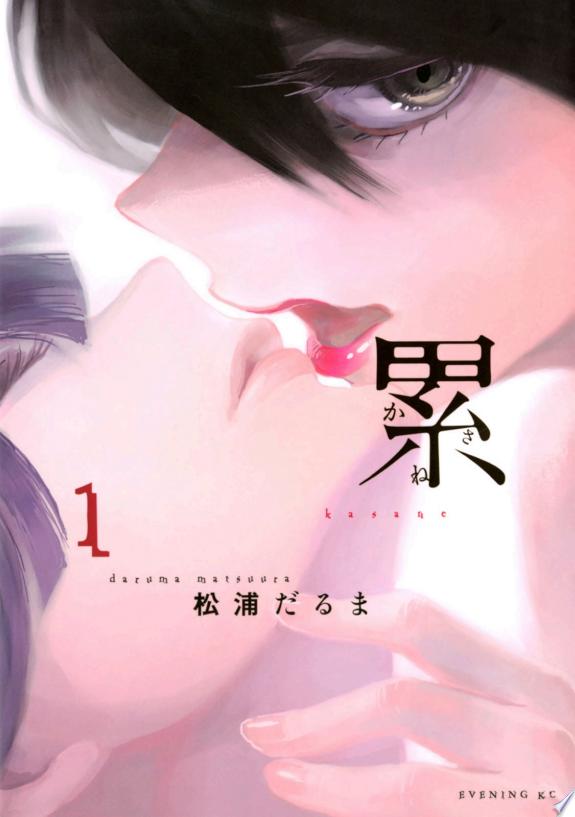
Horror / Drama
Kasane
Kasane follows a girl whose face society refuses but whose lipstick can swap her face with another's — a 14-volume Evening psychological drama where every act of becoming someone else is also an act of erasure.
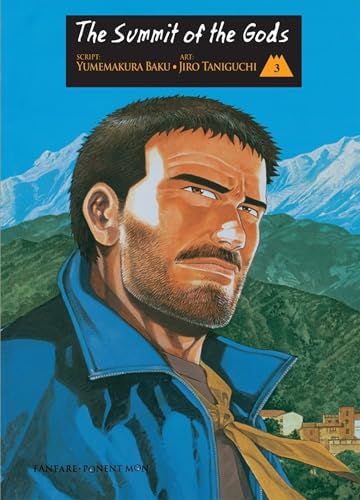
Adventure / Mystery
The Summit of the Gods
Yu's review of The Summit of the Gods — a photojournalist in Kathmandu may have found the camera of George Mallory, who disappeared on Everest in 1924; the mystery pulls him into the story of Habu Joji, a climber of legendary ability who disappeared years earlier.
Written by
Yu
Manga Enthusiast from Japan
I grew up in Japan and manga literally saved me during a tough time in elementary school. My English isn't perfect, but my love for manga is real — and I want to share it with you.
Disclosure: This post contains affiliate links. As an Amazon Associate, I earn from qualifying purchases at no extra cost to you.