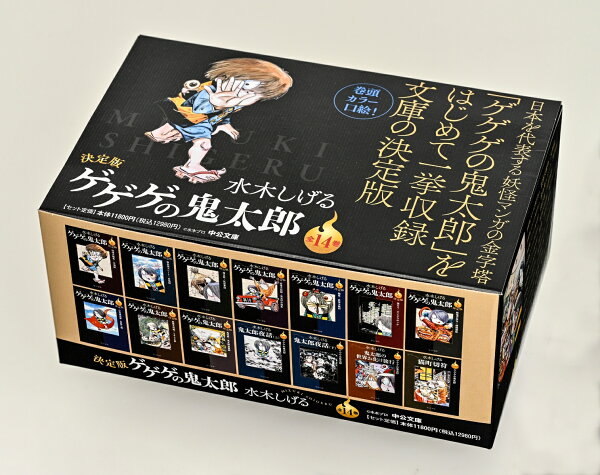
GeGeGe no Kitaro Review: The Yokai Manga That Shaped How Japan Thinks About Monsters
by Shigeru Mizuki
Read the first volume. If it doesn't hook you, put it down. It'll hook you.
Buy GeGeGe no Kitaro on Amazon →*Affiliate link — I earn a small commission at no extra cost to you.
Quick Take
- Shigeru Mizuki's Kitaro is the definitive yokai manga and one of the most important manga of the 20th century
- A half-ghost boy defends humans from supernatural threats — and the supernatural from human greed
- Drawn & Quarterly's English edition is beautiful; a genuine collector's item
Who Is This Manga For?
- Readers interested in Japanese folklore and yokai culture
- Those who want to understand the foundations of supernatural manga
- Fans of horror manga that is also philosophically interesting
- Anyone curious about Shigeru Mizuki's work and legacy
Content Warnings & Age Rating
Age Rating: T (Teen) Content Warnings: Horror themes (yokai violence, supernatural threats), wartime references in some chapters, existential themes about life and death
Appropriate for older teen readers and above. The horror is atmospheric rather than graphic.
Yu's Rating
| Category | Score |
|---|---|
| Story Depth | ★★★★★ |
| Art Style | ★★★★★ |
| Character Development | ★★★★☆ |
| Accessibility for Non-Japanese Readers | ★★★★☆ |
| Reread Value | ★★★★★ |
Story Overview
Kitaro was born in a graveyard. His mother died while pregnant with him; his father died shortly after. The baby Kitaro clawed his way out of the grave.
Now he lives as a mediator between the human world and the yokai world — supernatural creatures drawn from centuries of Japanese folklore. When yokai threaten humans, Kitaro intervenes. When humans threaten yokai (more often than you might expect), Kitaro intervenes.
His father exists as an eyeball — literally, a detached eyeball with a small body — who communicates with Kitaro and assists in investigations.
The series is episodic, each chapter featuring a different yokai encounter. The tone shifts — some chapters are funny, some are genuinely frightening, some are melancholy reflections on what it means to be a being between worlds.
Characters
Kitaro is a remarkable protagonist: dead and yet alive, belonging fully to neither the human nor the supernatural world. His commitment to justice for both sides — not just protecting humans — is the series' moral position.
Medama-oyaji (Daddy Eyeball) is both comic relief and genuine emotional presence. A father who watches over his son from a pocket or an eye socket, offering advice and love from the most limited physical form imaginable.
The yokai Kitaro encounters across the series represent the full range of Japanese supernatural tradition — some malevolent, some merely misunderstood, some genuinely tragic.
Art Style
Mizuki's art is extraordinary. His yokai are rendered with careful research into folk art and legend — many look exactly as they appear in centuries-old scroll paintings. His backgrounds are dense, detailed, atmospheric.
His human characters are drawn in a simpler, more cartoon-like style. This contrast between the detailed supernatural world and the simpler human world is a deliberate visual statement: the yokai are more real, more ancient, more textured than the humans who have forgotten them.
Cultural Context
Shigeru Mizuki was a World War II veteran who lost his left arm in combat. His manga is pervaded by a deep sense of what humans owe to the dead and the forgotten.
The yokai in Kitaro are often the victims of human progress and forgetfulness — spirits of places destroyed by development, entities that exist because ancient contracts and beliefs created them, now fading as belief fades. Mizuki's sympathy is always partly with them.
His work on yokai research and illustration has been credited with reviving interest in Japanese folklore in the postwar period. The yokai characters he drew have become canonical — his versions of Medama-oyaji, Nurikabe, and others are now what those beings look like in popular imagination.
What I Love About It
I have read Kitaro many times, in different translations and editions. Each time I find something new.
What Mizuki did was take folklore seriously at a moment when modernity was dismissing it. His yokai are not just monsters to be defeated. They are entities with their own logic, their own history, their own claim on the world. Kitaro's job is not to destroy them — it is to find accommodation.
That is an unusual stance in supernatural manga. It comes from Mizuki's specific relationship with death, loss, and the persistence of what humans have forgotten.
What English-Speaking Fans Say
Western readers who discover this through the Drawn & Quarterly editions often come for the beautiful production and stay for the stories. The yokai folkloric content is extensively footnoted, making it accessible without losing its strangeness.
Mizuki is consistently cited as one of the essential manga artists — not just for horror fans but for anyone interested in what the medium can do.
Memorable Scene ⚠️ Spoiler Warning
There is a chapter where Kitaro encounters a yokai who is simply fading — not because they have been defeated, but because no one believes in them anymore. Their response to their own disappearance, and Kitaro's inability to do anything except witness it, is the most affecting scene in the series.
It is a very old idea: the gods exist because we believe in them, and without belief, they fade. Mizuki handles it with the full weight of someone who has thought about loss for a long time.
Similar Manga
- Natsume's Book of Friends — modern yokai manga with a similar human-supernatural mediation theme
- Mushishi — traveling to encounter supernatural entities; more atmospheric, less action
- InuYasha — action-heavy use of Japanese folklore; very different tone
- Spooky Kitaro (related) — other Mizuki works if you want more
Reading Order / Where to Start
Start from Volume 1 of the Drawn & Quarterly edition. Each chapter is relatively self-contained.
Official English Translation Status
Drawn & Quarterly has published several volumes of GeGeGe no Kitaro in English. Beautiful hardcover editions.
Pros & Cons
Pros
- Foundational manga by a legendary artist
- Mizuki's yokai art is some of the best in the medium
- Both accessible to newcomers and deep for those who want to go deeper
- The Drawn & Quarterly edition is a beautiful physical object
Cons
- Episodic structure means there is no overarching narrative tension
- English editions cover a selection, not the full series
- Some chapters are more powerful than others
Format Comparison
| Format | Notes |
|---|---|
| Physical | Drawn & Quarterly hardcovers; recommended |
| Digital | Limited availability |
| Omnibus | The D&Q volumes function as curated collections |
Where to Buy
Read the first volume. If it doesn't hook you, put it down. It'll hook you.
*Affiliate link — I earn a small commission at no extra cost to you.
Reading Guides
More Manga You Might Like
Horror
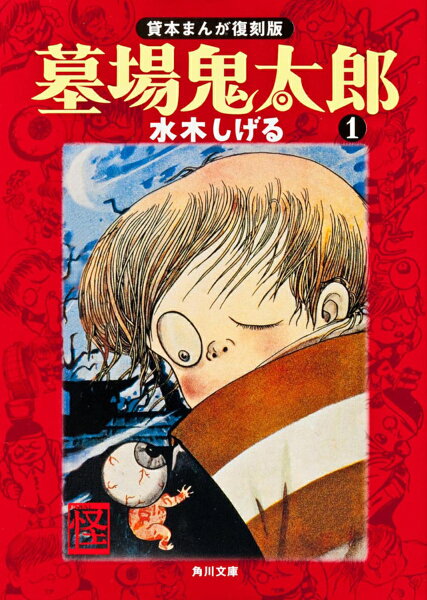
Kitaro of the Graveyard
A review of Kitaro of the Graveyard, the darker original version of Mizuki's yokai character — before Kitaro became a defender of humanity and was simply something risen from a grave.
Horror / Supernatural
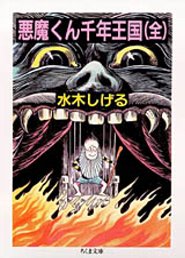
Akuma-kun
Yu's review of Akuma-kun — Shigeru Mizuki's early supernatural manga about a child prodigy who summons the demon Mephisto in his attempt to build a perfect world. A foundational occult work from the master of yokai manga, currently unlicensed in English.

Dark Fantasy / Horror
Berserk
Yu's review of Berserk — the story of Guts, a mercenary born from a hanged corpse, who fights demons and corrupted gods with a sword the size of a door in a world where the divine is real and malevolent. The most influential dark fantasy manga ever made.
Horror / Supernatural
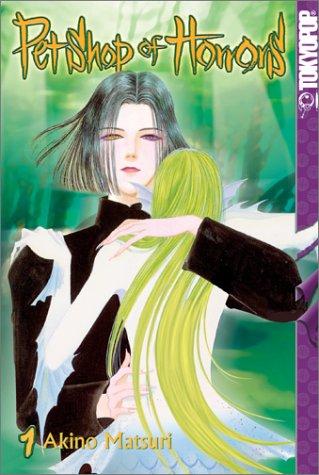
Petshop of Horrors
Count D sells exotic pets in Chinatown — each one perfect, each one with a contract that the buyer always breaks.
Horror
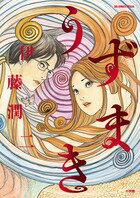
Uzumaki
Yu's review of Uzumaki by Junji Ito — a small town cursed by spirals, where the obsession spreads like a disease until the geometry itself becomes monstrous.
Horror / Survival
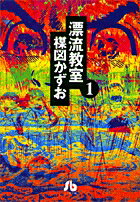
The Drifting Classroom
Yu's review of The Drifting Classroom — a Japanese elementary school and all its students and teachers are suddenly transported to a desolate future Earth; the children must survive without adult leadership as food runs out and monsters appear.
Written by
Yu
Manga Enthusiast from Japan
I grew up in Japan and manga literally saved me during a tough time in elementary school. My English isn't perfect, but my love for manga is real — and I want to share it with you.
Disclosure: This post contains affiliate links. As an Amazon Associate, I earn from qualifying purchases at no extra cost to you.