
Doubt Review: A Werewolf Phone Game Comes to Life in a Locked Hospital
by Yoshiki Tonogai
Read the first volume. If it doesn't hook you, put it down. It'll hook you.
Buy Doubt on Amazon →*Affiliate link — I earn a small commission at no extra cost to you.
When I was a kid, I used to play a werewolf game called Jinro with the few people who would sit with me at lunch. You know the one — somebody is secretly the wolf, everybody points fingers, and the fun is watching who lies well. I was always the worst at it. I trusted everyone, so I died first almost every time. Years later I picked up Doubt because the back cover described basically that game turning real, and I think a small part of me wanted to see if I would still be the first one to die. I read all four volumes in one rainy afternoon and did not move until I finished.
Quick Take
- A cell phone werewolf game called Rabbit Doubt comes to life when six players wake up locked in an abandoned psychiatric hospital, one of them already dead
- A tight, four-volume survival mystery — short enough to binge, mean enough to keep you guessing about who the "wolf" really is
- Rated M (Mature) for graphic violence, on-page murder, and gore — this is not the cozy kind of horror
Story Overview
Rabbit Doubt is a popular phone app: players are rabbits in a colony, and one of them is secretly a wolf in disguise. The rabbits debate and vote to find the wolf before the wolf picks them off one by one. It is a game. Until it isn't.
Four players who met through the app — Yū Aikawa, Eiji Hoshi, Haruka Akechi, and Rei Hazama — along with a non-player friend, Mitsuki Hōyama, meet up to hang out. They are knocked unconscious and wake up in an abandoned psychiatric hospital wired with security cameras. There they meet Hajime Komaba, a medical student, and they find Rei already dead. Everyone has a barcode tattooed onto their body. The doors are locked, and each barcode opens only one specific door — so escape and survival both depend on cooperating with people you cannot trust.
That is the engine of the whole thing: the same logic as the phone game, but now the wolf is a real murderer hiding among them, and a wrong accusation can get the wrong person killed. The turning point comes once the group fully turns on each other — they tie up suspects, attack each other, and the body count climbs. The ending pulls the rug out: the person they thought died first was never dead at all, and the real mastermind has been steering the whole game from outside the room.
Characters
Yū Aikawa — The protagonist and our eyes inside the hospital. He is the one who keeps trying to reason, to keep people calm and figure out the wolf logically. The story is built around his trust being weaponized against him, which, speaking as the kid who always died first in Jinro, hit a nerve.
Mitsuki Hōyama — The non-player friend who came along. She seems gentle and out of place, the one everyone wants to protect — and that is exactly the disguise. She is revealed to be the wolf carrying out the killings, acting out of a twisted grief tied to liars and to someone she lost.
Rei Hazama — Found dead at the very start, hanged on the wall. Except she is the true mastermind. A former TV "psychic hypnotist," she faked her death and orchestrated the entire game from the shadows, using hypnosis to turn Mitsuki into her instrument. Her revenge is aimed at liars after her own family was destroyed.
Hajime Komaba — The medical student already inside the hospital when the others wake. Calm and useful, he becomes one of Yū's main allies in trying to read the situation — and his fate in the final stretch is one of the cruelest beats in the book.
What I Love About It
The barcodes are the thing I keep thinking about. Everyone wakes up with a barcode tattooed onto their body, and each one opens exactly one locked door. That single rule does so much work. It forces a group of people who suspect each other of murder to physically cooperate — you literally cannot get through the building without scanning someone else's body. Trust becomes a resource you have to spend even though spending it might kill you. I have read a lot of locked-room horror, and most of it relies on the room being scary. Doubt makes the people the trap.
What got me is how it mirrors the actual werewolf game. In Jinro the whole tension is information — who knows what, who is acting strange, who you decide to believe. Tonogai takes that abstract social tension and makes it physical and lethal. You are not just voting someone out; you are deciding whether to walk through a door someone else unlocked. The first time the group ties up a suspect to "protect" themselves, I felt that old lunchroom dread of being on the wrong side of a vote, except here being voted wrong gets your hand chopped off. That is why the manga stuck with me — it took a game I used to lose for fun and made losing it mean something.
Memorable Scene ⚠️ Spoiler Warning
The image that will not leave my head is finding Rei at the very beginning: she is dead, hanged on the wall with spikes driven through her hand and through her heart. It is grotesque and it sets the tone instantly — this is real, this is final.
And then the gut-punch lands at the end: she was never dead. Rei faked the entire thing, held still and played a corpse, and she is the one who built the game. The whole time you were reading the survivors hunt for a wolf hiding among them, the real wolf was the body on the wall they had already written off. Eiji's death — tied-up Yū catching a glimpse of it on the monitors, Hajime untying him to check, only to find Eiji's hand severed and the door jammed — is the moment the hospital stops being a puzzle and becomes a slaughter. But it is Rei's reveal that recontextualizes everything: the first death was the killer signing her own work and stepping out of frame.
Pros & Cons
Pros
- Four volumes, complete — a genuine one-sitting binge
- The barcode mechanic turns the locked-room into a forced-cooperation pressure cooker
- A real werewolf-game mystery structure, not just gore for its own sake
- The "first victim is the mastermind" twist recolors the whole story
Cons
- Character depth is thin — four volumes does not leave much room
- The violence is graphic and on-page; not for squeamish readers
- The ending leans on hypnotism that isn't well set up earlier, so the "fair clues" question is genuinely debatable — that twist will work for some readers and feel like a cheat to others, and it won't work for everyone.
Is Doubt Worth Reading?
If you want a short, mean survival-horror mystery you can finish in an afternoon, yes — Doubt earns its place. The barcode trap and the werewolf-game framing make the first three volumes tense in a smart way, and the corpse-was-the-killer twist is the kind of thing you want to immediately reread. Just go in knowing the ending swings for a big supernatural reveal that some readers love and some find unearned. If you can roll with that, it is a tight, memorable read.
Where to Buy
Read the first volume. If it doesn't hook you, put it down. It'll hook you.
This post contains affiliate links. If you purchase through these links, I may earn a small commission at no extra cost to you. As an Amazon Associate, I earn from qualifying purchases.
*Affiliate link — I earn a small commission at no extra cost to you.
Reading Guides
More Manga You Might Like

Horror / Thriller
Judge
Yu's review of Judge — nine people who have committed sins that went unpunished are locked in a building wearing animal masks; they must vote to execute one person every twelve hours or everyone dies.
Horror / Mystery
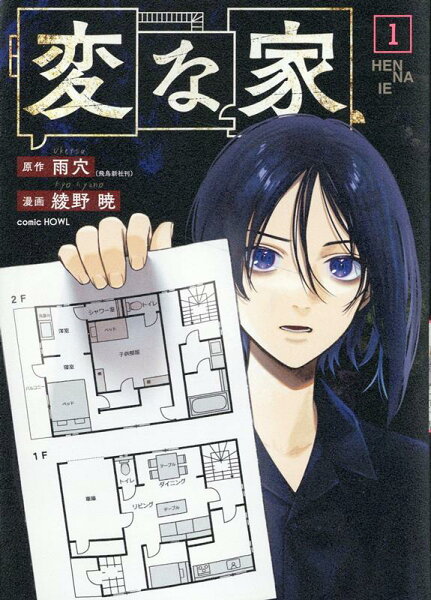
Strange House
A review of Takumi Yai's Strange House — 2 volumes from Manga Plus. A man asks an architectural friend to explain why a house's floor plan makes no sense; the answer is much darker than any real estate concern. Adapted from Yai's viral web novel. VIZ Media's English edition is complete.
Horror / Thriller
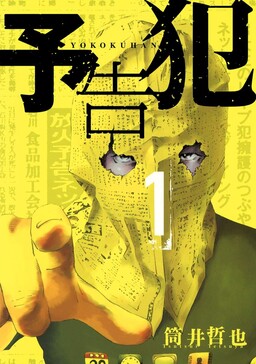
Prophecy
Yu's review of Prophecy — an anonymous online collective called the Paper Bag Crowd announces crimes before committing them, choosing targets who represent social injustice that existing law cannot address; a police investigator races to identify and stop them while the public debate about whether the collective is criminal or heroic divides opinion.
Horror / Mystery
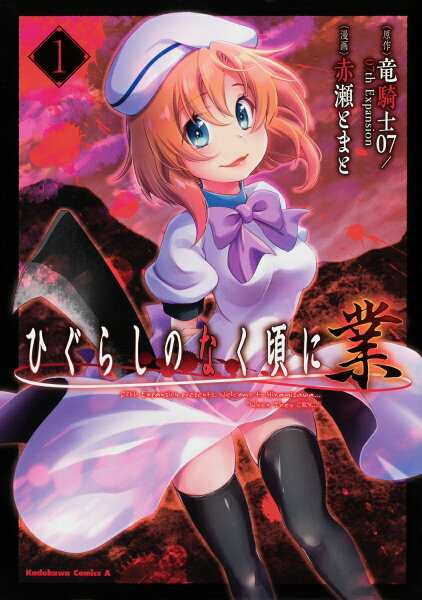
Higurashi When They Cry
Yu's review of Higurashi When They Cry — Keiichi Maebara moves to the rural village of Hinamizawa and discovers that every year, during the village festival, someone dies and someone disappears; the story resets across multiple arcs, each showing different versions of the same events as Keiichi and his friends try to understand and survive what the village is doing to them.
Adventure / Mystery
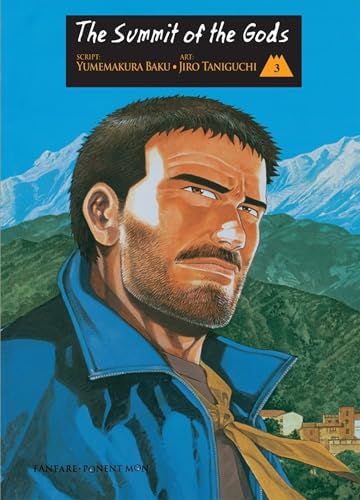
The Summit of the Gods
Yu's review of The Summit of the Gods — a photojournalist in Kathmandu may have found the camera of George Mallory, who disappeared on Everest in 1924; the mystery pulls him into the story of Habu Joji, a climber of legendary ability who disappeared years earlier.
Horror
MW
Yu's review of MW — Yuki Michio is a beautiful, charming, amoral man who survived exposure to a chemical weapon as a child; the event destroyed his conscience; he works toward mass destruction while maintaining the appearance of a successful society member; a priest who loves him tries to hold him back; Osamu Tezuka's 1976 thriller about a man without conscience.
Written by
Yu
Manga Enthusiast from Japan
I grew up in Japan and manga literally saved me during a tough time in elementary school. My English isn't perfect, but my love for manga is real — and I want to share it with you.
Disclosure: This post contains affiliate links. As an Amazon Associate, I earn from qualifying purchases at no extra cost to you.