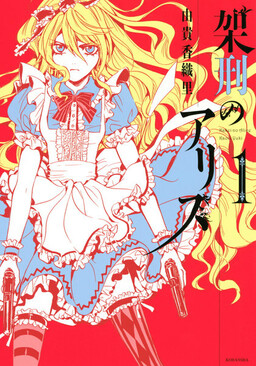
Alice in Murderland Review: Nine Adopted Siblings, One Tea Party, and an Order to Kill Each Other
by Kaori Yuki
Read the first volume. If it doesn't hook you, put it down. It'll hook you.
Buy Alice in Murderland on Amazon →*Affiliate link — I earn a small commission at no extra cost to you.
Kaori Yuki built her reputation on gothic excess — angels, demons, family curses, beautiful people doing terrible things in ornate rooms. Alice in Murderland is her at her most concentrated: a death game between siblings, staged like a tea party, drawn like a fashion plate, escalating like a fever dream. It is melodramatic and overstuffed and I had a great time with it.
If you want restraint, look elsewhere. Yuki has never been interested in restraint.
Quick Take
- Gothic death-game horror from Kaori Yuki, the artist behind Angel Sanctuary
- The nine adopted Kuonji siblings are ordered to kill each other in a deadly inheritance game until one survivor claims everything
- Rated M (Mature); 11 volumes complete, published in English by Yen Press
Who Is This Manga For?
- Fans of Kaori Yuki's lavish gothic horror
- Readers who enjoy death games with constant betrayals and shifting alliances
- Anyone who loves ornate, baroque art paired with brutal violence
- Readers who want melodrama embraced rather than apologized for
Content Warnings & Age Rating
Age Rating: M (Mature) Content Warnings: Graphic violence and gore; sibling-versus-sibling killing; incest themes (common to Yuki's work); psychological horror tied to Stella's split personality
The M rating is accurate. The violence is frequent and the family dynamics are deliberately transgressive.
Story Overview
Stella Kuonji is the meek, unremarkable adopted daughter of the immensely wealthy Kuonji family — the least notable of nine adopted children. At a grand party hosted by the family matriarch, the horror is revealed: the nine siblings are commanded to participate in a death game in which they must kill one another until a single survivor remains. The last one standing inherits the entire Kuonji fortune and legacy.
Stella's apparent helplessness conceals a secret. Under threat, a second personality emerges — "Bloody Alice," a ruthless, capable killer utterly unlike the timid girl she usually is. This dual nature makes Stella both prey and predator, and the central tension of the series is whether she controls Alice or Alice controls her.
As the siblings turn on each other, the series becomes a churn of shifting alliances, hidden agendas, buried family secrets, and escalating reveals about the Kuonji family's true history and the real rules of the game. Yuki layers gothic family melodrama — secret parentage, forbidden attachments, ancestral curses — over the death-game skeleton, and the body count climbs toward a finale that ties the bloodletting back to the family's origins.
Characters
Stella Kuonji / Bloody Alice — The meek adopted daughter whose survival depends on the murderous alter ego she can't fully control. The psychological horror of the series lives in the gap between the two: Stella wants to protect people; Alice wants to kill them. Watching her negotiate with her own other self is the book's strongest thread.
The Kuonji siblings — Eight other adopted children, each with a distinct gothic archetype, secret, and stake in the game. Yuki gives them flamboyant designs and competing agendas so that every alliance feels provisional and every death lands with a reveal.
The matriarch — The architect of the death game, whose reasons for staging it are bound up in the Kuonji family's hidden history. Her motives unspool across the series.
What I Love About It
The art does the heavy lifting, and it is glorious. Yuki draws the Crimson 13 like a couture nightmare — elaborate costumes, baroque interiors, flowers and blood arranged with the same care. The contrast between the elegance of the staging and the brutality of the killing is the entire aesthetic argument of the series, and Yuki commits to it completely. A tea party where the porcelain is perfect and the guests are being ordered to murder each other is a very Kaori Yuki image, and she sells it.
Memorable Scene ⚠️ Spoiler Warning
The party itself — the inciting scene where the matriarch calmly reveals the rules of the death game to the assembled siblings, and the polite gathering curdles into the realization that everyone present is now expected to kill everyone else. Yuki stages it for maximum gothic irony: the civility of the setting against the savagery of the announcement. The first emergence of Bloody Alice shortly after — Stella's transformation from victim to killer when cornered — is the moment the series shows its hand about what kind of protagonist it actually has.
Pros & Cons
Pros
- Gorgeous, ornate gothic art — among Yuki's most lavish
- The Stella/Bloody Alice split adds real psychological unpredictability
- Constant betrayals and reveals keep the death game propulsive
- Complete in 11 volumes with a finale that ties back to the premise
Cons
- Deeply melodramatic — the plot twists pile up faster than they land
- The large sibling cast means some die before they're fully developed
- The transgressive family themes (incest, etc.) won't work for everyone — this is Yuki being Yuki, and that's either the appeal or the exit
Is Alice in Murderland Worth Reading?
Yes — if you want gothic death-game horror with spectacular art and zero interest in subtlety. Fans of Kaori Yuki will adore it; newcomers should know they're signing up for full-throttle melodrama.
Where to Buy
Read the first volume. If it doesn't hook you, put it down. It'll hook you.
This post contains affiliate links. If you purchase through these links, I may earn a small commission at no extra cost to you. As an Amazon Associate, I earn from qualifying purchases.
*Affiliate link — I earn a small commission at no extra cost to you.
Reading Guides
More Manga You Might Like
Horror / Survival
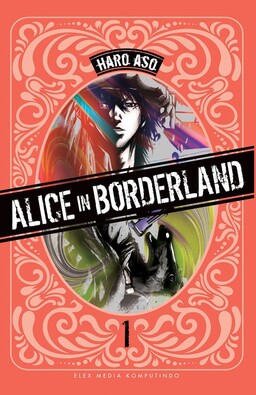
Alice in Borderland
Yu's review of Alice in Borderland — a survival horror manga where a directionless young man and his friends are pulled into a deserted Tokyo and forced to clear deadly games rated by playing cards, slowly uncovering what the Borderland actually is.
Horror / Psychological
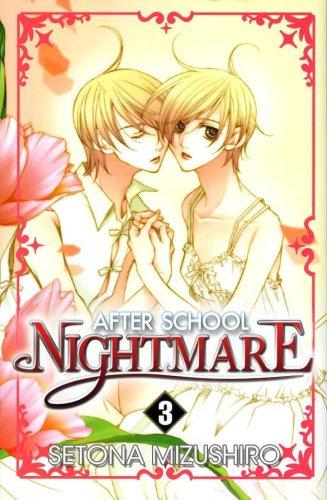
After School Nightmare
Yu's review of After School Nightmare — a psychological horror manga where students enter a shared nightmare to graduate, and the monsters they fight are made of their own deepest secrets. Mashiro Ichijo, raised as a boy but physically both, is forced to confront what he actually is.
Horror / Drama
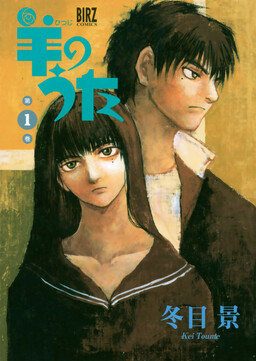
Lament of the Lamb
Yu's review of Lament of the Lamb — Kazuna Takashiro discovers he has inherited his family's vampiric curse: an overwhelming thirst for blood; when he finds his estranged sister Chizuna, who has been living with the curse alone, the series becomes a gothic study of two people trying not to become what they are.
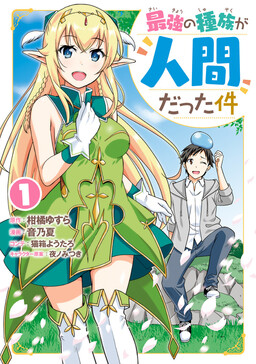
Horror / Thriller
Life Is Money
Yu's review of Life Is Money — ten strangers agree to participate in a locked-room psychological game for a prize of 100 million yen; the rule is simple but brutal: they must maintain their sanity across ten days of engineered terror; those who break lose everything.
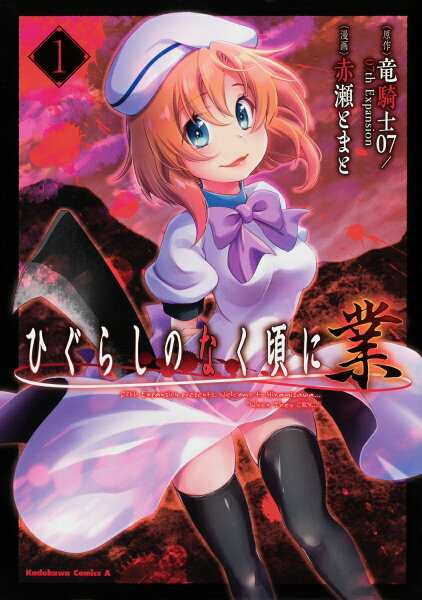
Horror / Mystery
Higurashi When They Cry
Yu's review of Higurashi When They Cry — Keiichi Maebara moves to the rural village of Hinamizawa and discovers that every year, during the village festival, someone dies and someone disappears; the story resets across multiple arcs, each showing different versions of the same events as Keiichi and his friends try to understand and survive what the village is doing to them.
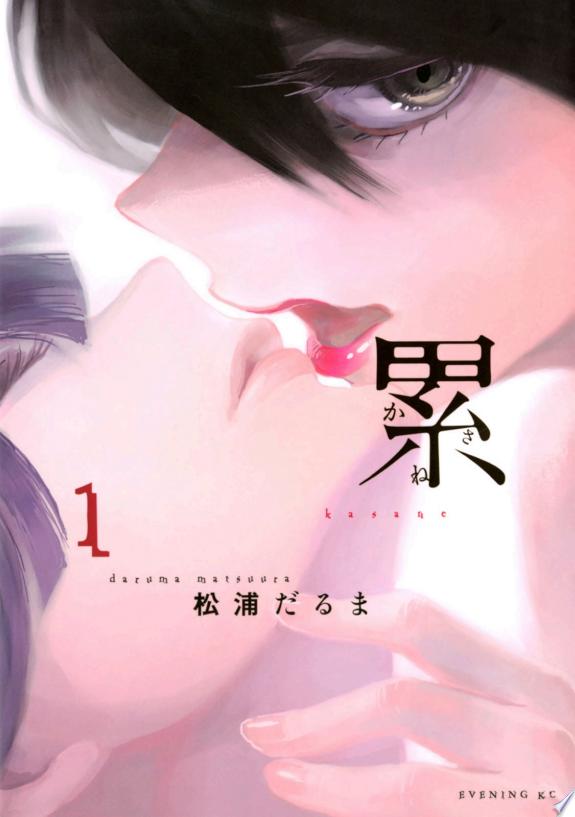
Horror / Drama
Kasane
Kasane follows a girl whose face society refuses but whose lipstick can swap her face with another's — a 14-volume Evening psychological drama where every act of becoming someone else is also an act of erasure.
Written by
Yu
Manga Enthusiast from Japan
I grew up in Japan and manga literally saved me during a tough time in elementary school. My English isn't perfect, but my love for manga is real — and I want to share it with you.
Disclosure: This post contains affiliate links. As an Amazon Associate, I earn from qualifying purchases at no extra cost to you.