
Prince of the Dawn Review: Japan's Most Daring Classic Shoujo and the Prince Who Defied Definition
by Ryoko Yamagishi
Read the first volume. If it doesn't hook you, put it down. It'll hook you.
Buy The Prince in the Sunlight on Amazon →*Affiliate link — I earn a small commission at no extra cost to you.
Quick Take
- One of the most radical shoujo manga ever published — its treatment of sexuality and power remains startling
- Prince Shotoku reimagined as a being of cold supernatural power and impossible longing
- Required reading for anyone interested in the history of manga and its capacity for darkness
Who Is This Manga For?
- Readers of classic shoujo who want something that goes further than convention allowed
- Manga history enthusiasts — this series permanently expanded what shoujo manga could do
- Those interested in historical reimagining of Japanese figures
- Readers comfortable with morally complex protagonists — Shotoku is not a hero in any conventional sense
Content Warnings & Age Rating
Age Rating: M (Mature) Content Warnings: Obsessive love, supernatural power used coercively, historical violence, same-sex desire (central to the story), a protagonist who does genuinely harmful things
This is adult manga in the fullest sense — not for graphic content but for psychological and moral complexity.
Yu's Rating
| Category | Score |
|---|---|
| Story Depth | ★★★★★ |
| Art Style | ★★★★★ |
| Character Development | ★★★★★ |
| Accessibility for Non-Japanese Readers | ★★★★☆ |
| Reread Value | ★★★★★ |
Story Overview
The Asuka period (late 6th-early 7th century Japan) — a time of political upheaval, the introduction of Buddhism from the continent, and the concentration of power around the Yamato court. Prince Umayado (who history calls Prince Shotoku) is a child who appears to have supernatural abilities: he can see what others cannot, he understands languages he was never taught, he perceives things before they happen.
He is also, from childhood, completely in love with Mononobe no Moriya's son, Umako — a beautiful, proud, ordinary young man who does not understand what Shotoku is or what he wants.
The series follows Shotoku's political rise — his genuine historical achievements as a statesman and Buddhist — alongside his obsessive, increasingly coercive relationship with the man he loves. He is brilliant. He is genuinely visionary. He is also capable of terrible things in the pursuit of what he wants. Yamagishi holds all of this simultaneously without resolving it.
Characters
Prince Shotoku: One of manga's most complex protagonists. His supernatural nature makes him inhuman in specific ways — he doesn't have ordinary human needs, doesn't form ordinary human connections, doesn't process loss or rejection the way people do. His love for Umako is the one human thing he has, and his inability to have it destroys everything it touches.
Umako: The ordinary man at the center of an extraordinary obsession. His response to Shotoku — fear, unwilling fascination, flight — is completely understandable. His tragedy is that ordinary decency is insufficient protection against what Shotoku is.
Art Style
Yamagishi's art is extraordinary — one of the most distinctive visual styles in shoujo manga. The historical costume and court setting is researched and rendered with evident love. Shotoku's supernatural quality is expressed through visual means that remain unsettling decades later. The emotional expressiveness of the faces is matched by the physical presence of the figures.
Cultural Context
Prince Shotoku is a figure of almost sacred significance in Japanese history — creator of Japan's first constitution, champion of Buddhism, cultural hero. Yamagishi's decision to reimagine him as a being of cold supernatural obsession and same-sex desire was radical when published (1980-1984) and remains remarkable.
The manga was published in LaLa, a major shoujo magazine, which speaks to how much space shoujo manga of that era was willing to give to darkness and complexity.
What I Love About It
I love this manga because it refuses the comfortable options.
Shotoku could have been a sympathetic protagonist whose love is tragic because it's unrequited. He isn't — his love is coercive and harmful and he knows it and continues anyway. He could have been a villain whose supernatural cruelty makes him easy to oppose. He isn't — his political genius and his historical achievements are real, and his longing is genuinely human even when his behavior is not.
Yamagishi refuses to let the reader settle into a stable relationship with him. He is not safe to admire. He is not safe to condemn. He is a complete person in all his incompleteness, and the manga earns that complexity across eleven volumes of patient, unflinching observation.
What English-Speaking Fans Say
Known primarily among dedicated classic shoujo and manga history readers. The consistent response: profound, disturbing, unforgettable. Readers who approach it expecting conventional shoujo romance are regularly startled by what it actually is.
Frequently cited as a foundational text for understanding how far manga can go when given the space.
Memorable Scene ⚠️ Spoiler Warning
The scene where Shotoku finally understands what he actually is — in relation to humanity, in relation to the man he loves — and what this understanding means for everything he has wanted and done. His response to this knowledge is entirely his own and entirely consistent with who he has been throughout. It is not comfort. It is clarity, which is the closest someone like him can come to peace.
Similar Manga
- Rose of Versailles: Same era, different subject, similar willingness to give women's manga genuine historical and emotional weight
- From Eroica with Love: Same LaLa magazine era; different genre, similar refusal of convention
- Banana Fish: Different period, similar quality of love as consuming force rather than comfortable feeling
Reading Order / Where to Start
Volume 1. The series must be read in order.
Official English Translation Status
Prince of the Dawn has no official English translation.
Pros & Cons
Pros
- Historically important manga that permanently expanded what shoujo could do
- One of manga's most complex protagonists
- Extraordinary art
- Complete at 11 volumes
Cons
- No English translation
- The protagonist's actions are genuinely harmful — requires reader capacity for moral complexity
- Historical period requires background knowledge
Format Comparison
| Format | Notes |
|---|---|
| Physical | Japanese editions available |
| Digital | Available in Japanese |
| Omnibus | Complete edition available in Japan |
Where to Buy
No English release yet. That just means you find it before everyone else does.
*Affiliate link — I earn a small commission at no extra cost to you.
More Manga You Might Like
Historical / Romance
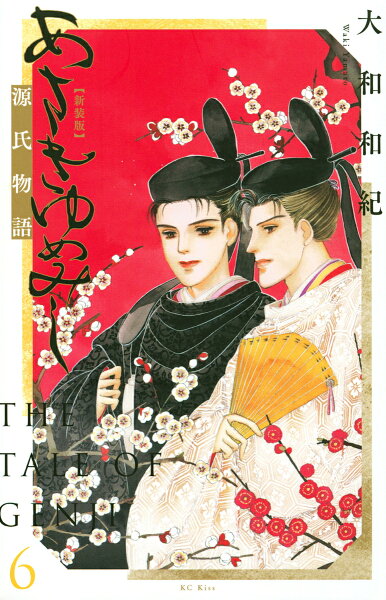
Asaki Yumemishi
A review of Waki Yamato's Asaki Yumemishi — 13 volumes in Kodansha's Mimi from 1979 to 1993. The landmark manga adaptation of The Tale of Genji, available in English from Kodansha USA in 10 digital volumes.

Historical / Romance
Crest of the Royal Family
Crest of the Royal Family follows Carol Reed, an American archaeology student transported back to ancient Egypt, where she becomes entangled with the young pharaoh Memphite and the political machinations of the ancient world.
Historical / Shojo
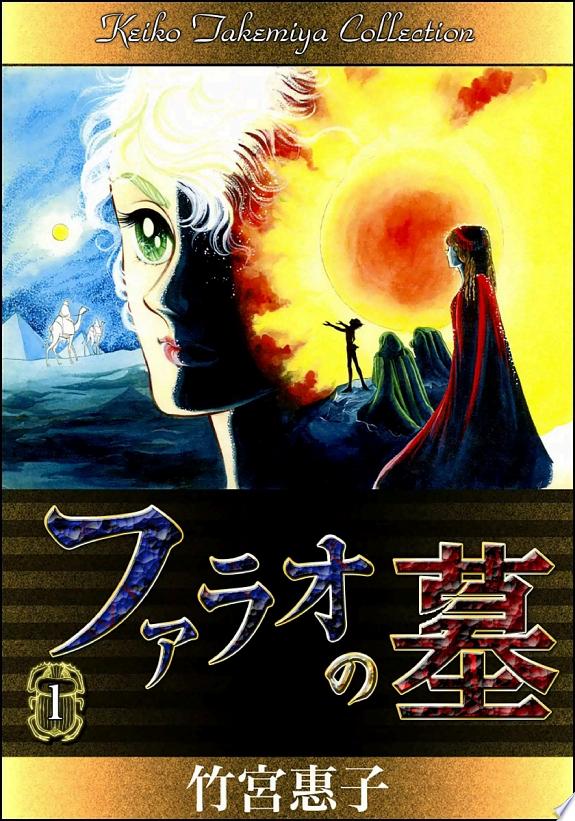
Farao no Haka
Farao no Haka follows two young people in ancient Egypt — a slave boy and the pharaoh's daughter — whose lives intertwine across years of political conflict, social barriers, and a love that the Egyptian court's rigid hierarchy is designed to prevent.
Historical / Drama
Hidamari no Ki
Hidamari no Ki follows two real figures from the late Edo period — one a samurai, one a doctor — as Japan's encounter with Western medicine and Western power forces both of them to decide what they believe in and what they are willing to lose.
Historical / Action
Kamui Den
Kamui Den follows Kamui, a ninja born into the lowest social caste of feudal Japan, whose pursuit of freedom through the shinobi arts becomes a lens on the systematic brutality of the Edo period class system — one of manga's great radical political works.
Historical / Action
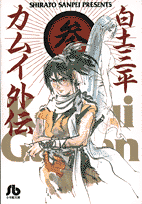
Kamui Gaiden
Kamui Gaiden follows the fugitive ninja Kamui after he abandons his clan — a man who fought for freedom and now runs to protect it, hunted by the people who want him dead and by a society that has no place for him.
Written by
Yu
Manga Enthusiast from Japan
I grew up in Japan and manga literally saved me during a tough time in elementary school. My English isn't perfect, but my love for manga is real — and I want to share it with you.