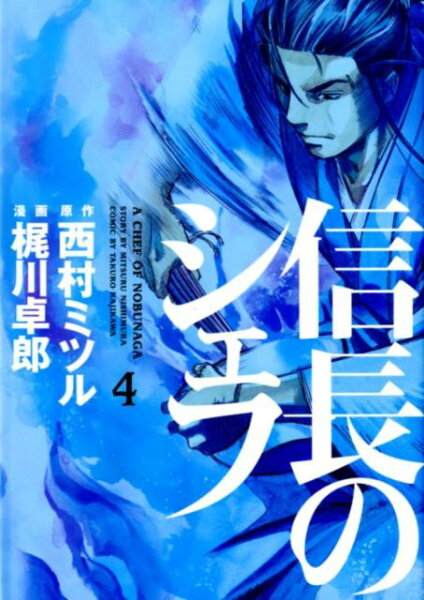
Nobunaga no Chef Review: The Time-Travel Cooking Manga That Asked What History's Stomach Wanted
by Mitsuru Nishimura (writer), Takuro Kajikawa (art)
Read the first volume. If it doesn't hook you, put it down. It'll hook you.
Buy Nobunaga no Chef on Amazon →*Affiliate link — I earn a small commission at no extra cost to you.
A modern chef in Sengoku Japan. The kitchen had different equipment. The diners had different consequences for disappointment.
Quick Take
- Mitsuru Nishimura and Takuro Kajikawa's 33+ volume Manga Goraku time-travel cooking manga
- Combines historical-fiction engagement with cooking-manga structure in a clever premise
- Nobunaga as a discerning patron whose protection sustains the protagonist's life
Who Is This Manga For?
- Cooking manga readers who want a historical-fiction angle
- Sengoku history enthusiasts who appreciate fictional engagement with the period
- Time-travel fiction fans who want the genre's competent application
- Anyone curious about what Sengoku-era cooking might actually have been
Content Warnings & Age Rating
Age Rating: T (Teen) Content Warnings: Sengoku-era violence in background, historical political intrigue, occasional intensity.
Suitable for most readers.
Yu's Rating
| Category | Score |
|---|---|
| Story Depth | ★★★★☆ |
| Art Style | ★★★★☆ |
| Character Development | ★★★★☆ |
| Accessibility for Non-Japanese Readers | ★★★☆☆ |
| Reread Value | ★★★★☆ |
Story Overview
Ken is a modern French-cuisine chef who, through unexplained mechanism, finds himself in Sengoku-era Japan. He has no clear way home. His culinary skills, however, prove valuable in a way nothing else about his presence in this era is — and Oda Nobunaga, a leader famously curious and openminded, decides to keep him alive as personal chef.
The series follows Ken's career under Nobunaga's patronage. Each arc involves a culinary challenge — feasts for visiting allies, intimate meals for Nobunaga himself, problems requiring food-as-tool — combined with the historical-fiction context of the period's actual events. Ken's modern knowledge gives him advantages in some cooking situations and creates problems in others (ingredients don't exist, equipment doesn't exist, palates expect different things).
What makes the series satisfying is its commitment to both halves of the premise. The cooking is depicted with technical seriousness; the history is engaged with knowledge. Nobunaga is not just a backdrop — he is a character whose interest in foreign things, his strategic mind, and his actual historical trajectory shape Ken's situation across the series.
Characters
Ken: The protagonist whose culinary competence is his survival mechanism — drawn with genuine character beyond the premise.
Oda Nobunaga: A patron whose historical character is engaged with rather than simplified — the manga's research shows.
The retainers and rivals: Each historical figure rendered with respect for actual history.
Art Style
Kajikawa's art handles both cooking sequences and historical scenes with attention — food rendering is detailed enough to communicate the dishes, period costuming and architecture are accurate, character designs are distinct. The visual register supports both halves of the genre blend.
Cultural Context
Nobunaga no Chef began in 2011 in Weekly Manga Goraku and has continued for over a decade. The series belongs to the broader Sengoku-era manga tradition that has produced works ranging from comedic (Nobunaga no Shinobi) to serious (Sengoku) — Nobunaga no Chef occupies the middle: serious enough to engage with history, light enough to remain a cooking manga.
Multiple drama adaptations have brought the series additional cultural recognition.
What I Love About It
I love that Nobunaga is interesting.
A simpler version of this manga would use Nobunaga as a stock historical figure — recognizable name, basic personality, narrative function. Nishimura and Kajikawa engage with the actual historical Nobunaga: his curiosity about foreign things, his particular mode of leadership, his complicated relationships with retainers. The historical engagement gives the manga its depth, and Nobunaga's character is the engagement's clearest expression.
What English-Speaking Fans Say
Limited international awareness without translation. Among readers familiar with it through fan engagement or drama adaptations, regarded as one of the more thoughtful time-travel cooking manga.
Memorable Scene ⚠️ Spoiler Warning
A meal where Ken's modern knowledge produces a dish that surprises Nobunaga in ways that reveal something about Nobunaga's specific historical openness — and Ken's recognition that this is why Nobunaga, of all the period's leaders, was the patron who could keep him alive. The scene captures the series' historical-engagement core.
Similar Manga
| Title | Its Approach | How Nobunaga no Chef Differs |
|---|---|---|
| Jin | Time-travel medical drama | Different profession but shared time-travel-into-Edo template |
| Thermae Romae | Time-travel comedy with bath-architect protagonist | Nobunaga no Chef is more dramatically engaged with its historical period |
| Oishinbo | Cooking journalism with food appreciation | Cooking dimension shared but historical setting transforms the genre |
Reading Order / Where to Start
Volume 1. The premise and the historical context establish across early arcs.
Official English Translation Status
Nobunaga no Chef has no official English translation.
Pros & Cons
Pros
- Genuinely combines cooking and historical fiction
- Nobunaga treated with research-backed character
- Long-running with sustained quality
- Adaptable premise that doesn't run out of ideas
Cons
- No English translation
- Sengoku context requires familiarity
- Time-travel premise's mechanism is left unexplained
- Cooking-manga conventions sometimes interrupt historical immersion
Is Nobunaga no Chef Worth Reading?
For cooking manga readers and Sengoku-history enthusiasts, yes — the genre blend works because both halves are committed to. For readers who want pure historical fiction or pure cooking content, the blend may feel diluted. As thoughtful genre-blend, it earns its run.
Format Comparison
| Format | Notes |
|---|---|
| Physical | Japanese editions available |
| Digital | Available in Japanese |
| Omnibus | Collected editions available |
Where to Buy
No English release yet. That just means you find it before everyone else does.
*Affiliate link — I earn a small commission at no extra cost to you.
More Manga You Might Like
Historical / Drama
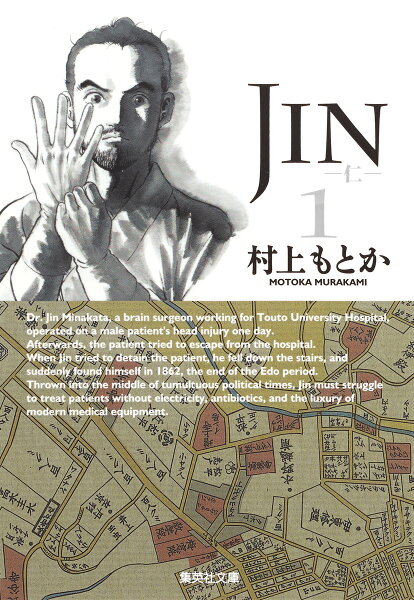
Jin
Jin follows Jin Minakata, a modern brain surgeon time-slipped to Bakumatsu Edo where his medical knowledge could save thousands but might rewrite history — a 20-volume Super Jump epic that combined medical drama with serious historical engagement.
Historical / Drama
Hidamari no Ki
Hidamari no Ki follows two real figures from the late Edo period — one a samurai, one a doctor — as Japan's encounter with Western medicine and Western power forces both of them to decide what they believe in and what they are willing to lose.
Historical / Drama
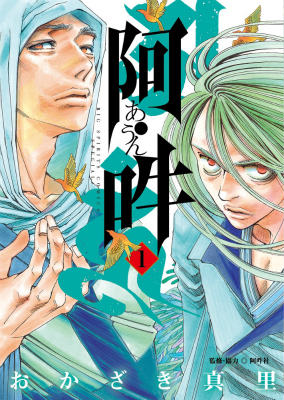
Aun
Aun follows the historical Buddhist monks Kukai and Saicho as they travel to Tang Dynasty China to learn from Chinese Buddhism — and compete, cooperate, and argue their way toward becoming the two most important religious figures in Japanese history.
Historical / Drama
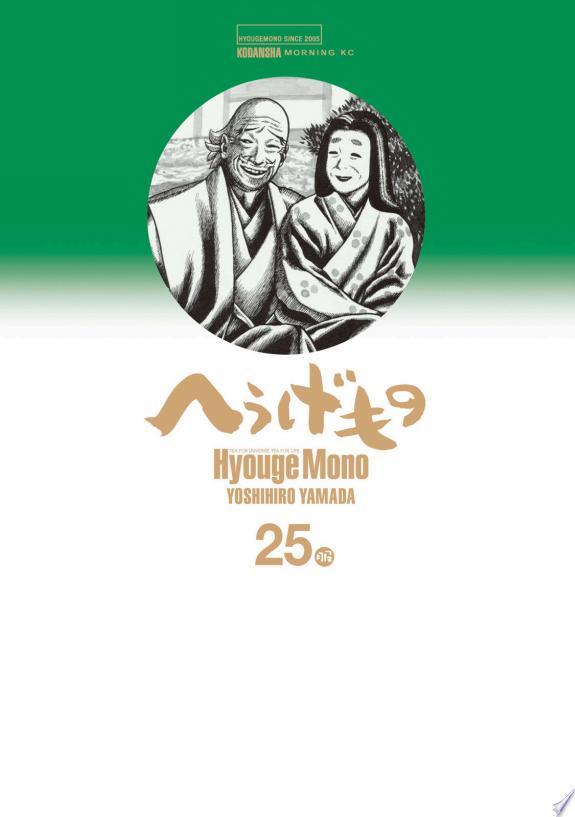
Hyouge Mono
Hyouge Mono follows Sasuke Furuta, a samurai retainer to Oda Nobunaga whose secret passion is aesthetic objects — tea bowls, garden arrangements, calligraphy — and whose pursuit of beautiful things in a world of political violence creates the manga's central comedy and drama.
Historical / Drama
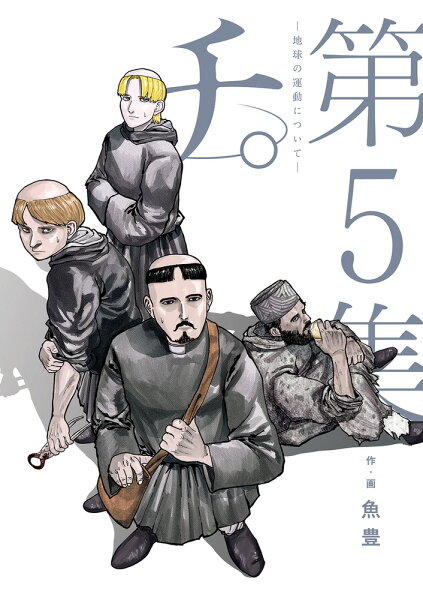
Chi. About the Movement of the Earth
Chi. About the Movement of the Earth follows multiple generations of scholars in medieval Europe who secretly pursue the heliocentric model of the solar system — Paru Itagaki's historical manga about the cost of knowing something that the world refuses to accept.

Historical / Romance
Crest of the Royal Family
Crest of the Royal Family follows Carol Reed, an American archaeology student transported back to ancient Egypt, where she becomes entangled with the young pharaoh Memphite and the political machinations of the ancient world.
Written by
Yu
Manga Enthusiast from Japan
I grew up in Japan and manga literally saved me during a tough time in elementary school. My English isn't perfect, but my love for manga is real — and I want to share it with you.