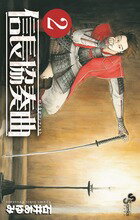
Nobunaga Concerto Review: The Time-Travel Historical Manga That Turned Japan's Most Famous Warlord Into a Comedy of Errors
by Ayumi Ishii
Read the first volume. If it doesn't hook you, put it down. It'll hook you.
Buy Nobunaga Concerto on Amazon →*Affiliate link — I earn a small commission at no extra cost to you.
He looked like Oda Nobunaga. He knew nothing about Oda Nobunaga. This was going to be a problem.
Quick Take
- Ayumi Ishii's 16-volume Sengoku time-travel comedy — a modern high school student takes Oda Nobunaga's place in the Sengoku period because they look identical
- The comedy comes from Saburo's ignorance; the drama comes from history being real and unalterable
- Adapted into live-action drama and anime — a manga that handled its premise with more honesty than the genre usually requires
Who Is This Manga For?
- Japanese history enthusiasts who want the Sengoku period through a comedic but respectful lens
- Time-travel manga readers who want the premise's consequences taken seriously
- Readers who want comedy and drama balanced rather than one tone overwhelming the other
- Fans of the drama/anime who want to read the original material
Content Warnings & Age Rating
Age Rating: T (Teen) Content Warnings: Sengoku period historical violence, time travel, comedy, historical drama. Nothing graphic.
Suitable for most readers.
Yu's Rating
| Category | Score |
|---|---|
| Story Depth | ★★★★☆ |
| Art Style | ★★★★☆ |
| Character Development | ★★★★☆ |
| Accessibility for Non-Japanese Readers | ★★★☆☆ |
| Reread Value | ★★★☆☆ |
Story Overview
Saburo, a modern high school student with no particular interest in history, falls through time to the Sengoku period. He encounters Oda Nobunaga — who looks exactly like him — and Nobunaga, exhausted by the weight of his destiny, asks Saburo to take his place. Saburo agrees, largely because he doesn't understand what he's agreed to.
What follows is both comedy and consequence. Saburo knows nothing about Sengoku politics, military strategy, or historical events — but he's clever, adaptable, and sincerely wants to do right by the people around him. His modern sensibilities create comic situations while also — this is the series' most interesting element — occasionally producing genuinely better outcomes than historical precedent.
The series doesn't let Saburo off easily. History happened. The events of Nobunaga's life — the battles, the alliances, the betrayals — still occur. Saburo must navigate them without the historical preparation that might have helped him, and the knowledge that these events have outcomes he may not be able to prevent.
Characters
Saburo: A protagonist whose most important quality is sincerity — he doesn't pretend to be Nobunaga, he tries to be himself in Nobunaga's situation, which turns out to be the right approach.
The historical Oda Nobunaga: Living as a commoner while Saburo takes his place — his perspective on watching his historical self be replaced is handled with surprising nuance.
The Sengoku retainers: Figures like Hideyoshi and Mitsuhide depicted with enough historical grounding that readers familiar with the period recognize them.
Art Style
Ishii's art handles the Sengoku setting with period visual detail — the clothing, the architecture, the weapons — while maintaining the character designs' accessibility. The comedy sequences use visual timing effectively, and the dramatic moments don't rely on the comedy register having softened everything.
Cultural Context
Nobunaga Concerto ran in Monthly Big Comic Spirits from 2009 to 2016. Oda Nobunaga is one of the most frequently depicted historical figures in Japanese popular culture — appearing in countless games, anime, and manga — and Ishii's take of having an ordinary modern person take his place is a deliberate inversion of the usual treatment.
The live-action drama (2014) and anime adaptation brought the series to much wider audiences.
What I Love About It
I love that Saburo can't change history.
Time-travel stories often allow their protagonist to fix what went wrong. Saburo can't — he's stuck in the events that happened, trying to survive them as himself rather than as the person they were designed to destroy. That constraint makes the comedy more honest and the drama more affecting: the stakes are real because history is real.
What English-Speaking Fans Say
Known through the drama and anime adaptations internationally. The manga is regarded as the strongest version of the material — more nuanced in its balance of comedy and consequence than the adaptations manage. Historical manga readers who find it note the unusual honesty about the limits of what a time-traveler can actually do.
Memorable Scene ⚠️ Spoiler Warning
Saburo facing the historical event he has been dreading since he learned it was coming — unable to prevent it, unwilling to abandon the people involved, confronting the fact that being in history doesn't grant the ability to change it. The scene is the series' thesis statement made explicit.
Similar Manga
| Title | Its Approach | How Nobunaga Concerto Differs |
|---|---|---|
| The Drifting Classroom | Time-displacement with survival stakes | Nobunaga Concerto is specific historical setting with comedy rather than survival horror |
| Zipang | Modern military vessel transported to WWII | Sengoku rather than WWII — comedy premise rather than military realism |
| Oda Nobuna no Yabou | Gender-swapped Sengoku historical fantasy | Nobunaga Concerto takes the history more seriously — no harem element, real consequences |
Reading Order / Where to Start
Volume 1. The historical events build and the series rewards reading in order.
Official English Translation Status
Nobunaga Concerto has no official English translation.
Pros & Cons
Pros
- The time-travel premise is handled with more consequence than the genre usually allows
- Saburo is an unusual and effective protagonist
- The Sengoku history is accurate enough to respect readers who know it
- Complete at 16 volumes
Cons
- No English translation
- Sengoku period knowledge significantly enhances appreciation
- The balance of comedy and drama shifts across the series — not consistent in register
- 16 volumes is a commitment for a premise that some readers will find limiting
Is Nobunaga Concerto Worth Reading?
For Japanese history enthusiasts and time-travel manga readers who want the premise treated with consequence, yes — the series handles its central joke with enough honesty to make it more than a joke. For readers without Sengoku context, the historical texture may feel opaque. As a historical comedy that takes history seriously, it's among the better examples of the form.
Format Comparison
| Format | Notes |
|---|---|
| Physical | Japanese editions available |
| Digital | Available in Japanese |
| Omnibus | Collected editions available |
Where to Buy
No English release yet. That just means you find it before everyone else does.
*Affiliate link — I earn a small commission at no extra cost to you.
More Manga You Might Like
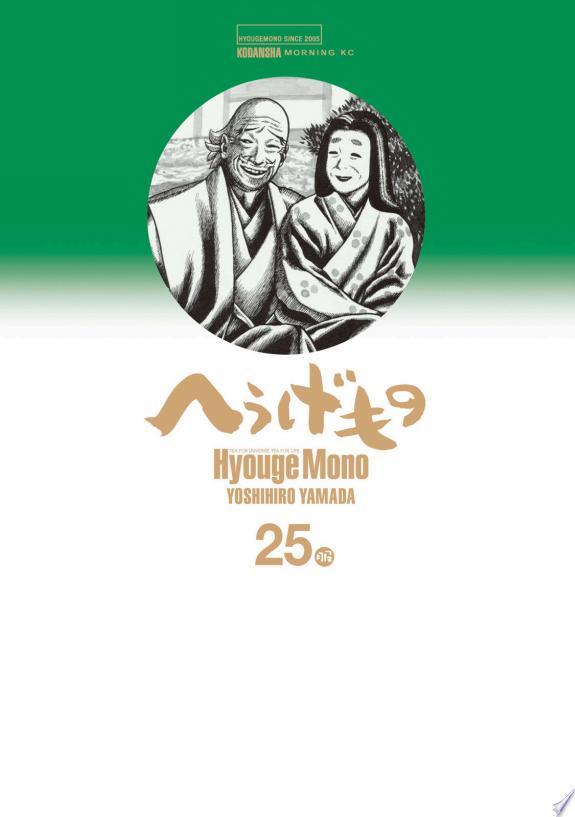
Historical / Drama
Hyouge Mono
Hyouge Mono follows Sasuke Furuta, a samurai retainer to Oda Nobunaga whose secret passion is aesthetic objects — tea bowls, garden arrangements, calligraphy — and whose pursuit of beautiful things in a world of political violence creates the manga's central comedy and drama.
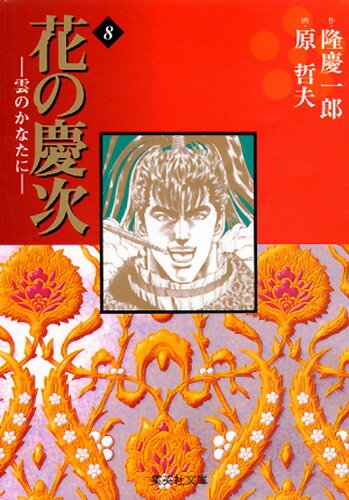
Historical / Action
Hana no Keiji
Hana no Keiji follows Keiji Maeda, the real historical figure known as the eccentric samurai who rejected the obligations of clan and hierarchy to live entirely by his own aesthetic code — and the manga is his story as historical action epic.
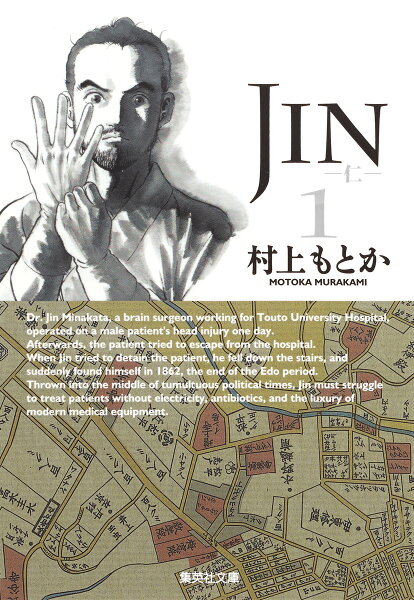
Historical / Drama
Jin
Jin follows Jin Minakata, a modern brain surgeon time-slipped to Bakumatsu Edo where his medical knowledge could save thousands but might rewrite history — a 20-volume Super Jump epic that combined medical drama with serious historical engagement.
Historical / Romance
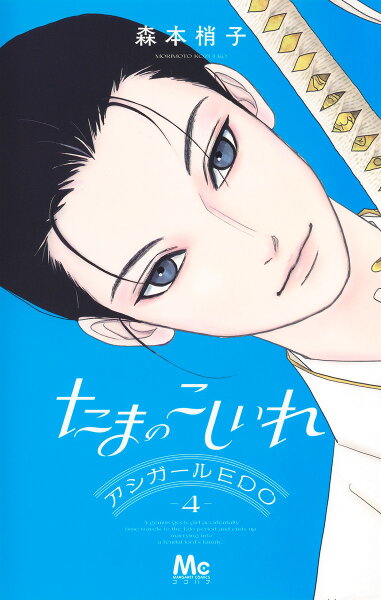
Ashi-Girl
Ashi-Girl follows Yui Hayakawa, a high school girl with extraordinary running speed who time-slips to the Sengoku era and falls for a young feudal lord — Hiroumi Morio's 16-volume Margaret time-travel romance that became a beloved drama adaptation.
Historical / Romance
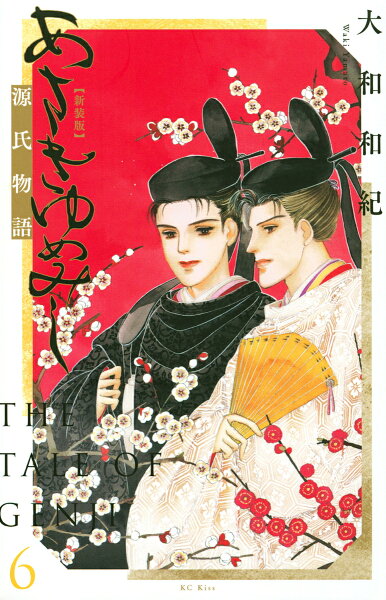
Asaki Yumemishi
A review of Waki Yamato's Asaki Yumemishi — 13 volumes in Kodansha's Mimi from 1979 to 1993. The landmark manga adaptation of The Tale of Genji, available in English from Kodansha USA in 10 digital volumes.
Historical / Drama
Hidamari no Ki
Hidamari no Ki follows two real figures from the late Edo period — one a samurai, one a doctor — as Japan's encounter with Western medicine and Western power forces both of them to decide what they believe in and what they are willing to lose.
Written by
Yu
Manga Enthusiast from Japan
I grew up in Japan and manga literally saved me during a tough time in elementary school. My English isn't perfect, but my love for manga is real — and I want to share it with you.