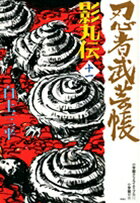
Ninja Bugeicho Review: The Black-and-White Manga That Changed What Comics Could Say
by Sanpei Shirato
Read the first volume. If it doesn't hook you, put it down. It'll hook you.
Buy Ninja Bugeicho on Amazon →*Affiliate link — I earn a small commission at no extra cost to you.
What if a ninja story was the first manga to demand that you think about who holds power — and why?
Quick Take
- Sanpei Shirato's foundational work — the manga that established what politically engaged action manga could be
- Published originally through the kashihon (rental book) system, outside mainstream manga distribution
- Essential context for Kamui Den: this is where Shirato developed the visual language and political framework his later work would perfect
Who Is This Manga For?
- Readers of Kamui Den who want to understand where it came from
- Manga historians and readers interested in alternative manga's origins
- Fans of political historical fiction who want the ur-text of the genre
- Anyone interested in how artistic forms develop — this is a case study
Content Warnings & Age Rating
Age Rating: M (Mature) Content Warnings: Historical violence consistent with feudal Japan. Feudal class oppression depicted directly. Political themes.
Mature content throughout.
Yu's Rating
| Category | Score |
|---|---|
| Story Depth | ★★★★★ |
| Art Style | ★★★★☆ |
| Character Development | ★★★★★ |
| Accessibility for Non-Japanese Readers | ★★★☆☆ |
| Reread Value | ★★★★★ |
Story Overview
Ninja Bugeicho follows a ninja protagonist navigating the feudal social order of Edo-period Japan — but unlike conventional ninja stories, the series is explicitly interested in what that social order does to the people at the bottom of it.
The manga was distributed through the kashihon rental system rather than mainstream magazine serialization — which gave Shirato freedom to address political content that magazine publishers would have avoided. This freedom produced a manga that functions as both action entertainment and political argument.
The protagonist's ninja skills are the vehicle; the class system is the subject. Every fight scene is about more than the fight; every victory and defeat has social meaning. This approach — action as political expression — is what Shirato would develop further in Kamui Den and Kamui Gaiden.
The art reflects the early stage of Shirato's development: less polished than his later work, but already demonstrating the dynamic action sequences and the serious facial work that would define his mature style.
Characters
Kagemaru: The ninja protagonist — a figure whose skills and limitations reflect the social position he occupies. He is not simply a powerful fighter navigating adventure; he is a person whose possibilities are constrained by birth and whose freedom must be taken rather than given.
The feudal world: Shirato populates the series with people from every level of the Edo class system, each of them defined by their relationship to the social order that structures everything.
Art Style
Shirato's art in Ninja Bugeicho is already distinctive — dynamic, dense, and committed to depicting the physical reality of ninja combat with genuine attention. The visual approach is rawer than his later work but more energetic for it.
The black-and-white pages, distributed through the low-budget kashihon system, have a directness that later magazine work sometimes loses.
Cultural Context
Ninja Bugeicho was published from 1959 to 1962 through the kashihon system — rental book stores that circulated manga outside the mainstream publishing industry. This system allowed content that magazine publishers avoided, and Shirato used that freedom deliberately.
The manga was influential on the student movement generation in Japan — young people who read it in rental shops recognized its political argument and were affected by it. It contributed directly to the conditions that made Garo magazine possible.
What I Love About It
I love that it exists at all.
Ninja Bugeicho was published outside the mainstream by an artist who had specific things to say and found a way to say them in a form the mainstream wouldn't publish. The kashihon system is not how most people imagine manga being distributed, but it was the system that made this work possible. The formal history of the medium is part of what the work means.
What English-Speaking Fans Say
Not known in English-speaking markets — the lack of translation and the specialized historical context make this one of the least accessible major works in manga history. Among scholars of manga and readers of alternative comics history, Ninja Bugeicho is understood as a founding document.
Memorable Scene ⚠️ Spoiler Warning
A scene that makes explicit the connection between Kagemaru's ninja abilities and his social position — framing skill not as a gift that transcends social constraints but as something that exists within and against them. The scene shows what distinguishes Shirato's approach from conventional ninja adventure.
Similar Manga
- Kamui Den: The direct successor — more mature, broader canvas, essential
- Kamui Gaiden: The fugitive sequel — tighter and more focused
- Lone Wolf and Cub: Contemporary classic — less political, comparable historical seriousness
Reading Order / Where to Start
If approaching Shirato's work for the first time, Kamui Den is the better starting point — this is for readers who want to trace the development from the beginning.
Official English Translation Status
Ninja Bugeicho has no official English translation.
Pros & Cons
Pros
- Historically foundational — the beginning of a major artistic tradition
- Already demonstrates the distinctive qualities of Shirato's mature work
- Essential for understanding Kamui Den's context
- Complete at 17 volumes
Cons
- No English translation
- Rawer than his later work — best after reading Kamui Den
- Historical context requires knowledge of the kashihon system
Format Comparison
| Format | Notes |
|---|---|
| Physical | Japanese editions available |
| Digital | Limited availability in Japanese |
| Omnibus | Collected editions available |
Where to Buy
No English release yet. That just means you find it before everyone else does.
*Affiliate link — I earn a small commission at no extra cost to you.
More Manga You Might Like
Historical / Action
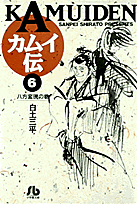
Kamui Den
Kamui Den follows Kamui, a ninja born into the lowest social caste of feudal Japan, whose pursuit of freedom through the shinobi arts becomes a lens on the systematic brutality of the Edo period class system — one of manga's great radical political works.
Historical / Action
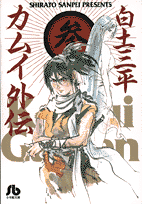
Kamui Gaiden
Kamui Gaiden follows the fugitive ninja Kamui after he abandons his clan — a man who fought for freedom and now runs to protect it, hunted by the people who want him dead and by a society that has no place for him.
Historical / Action
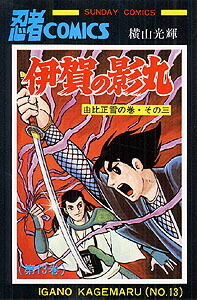
Iga no Kagemaru
Iga no Kagemaru follows Kagemaru, a ninja of the Iga clan in the Sengoku period, as he uses infiltration, disguise, and combat skills to navigate the political conflicts of feudal Japan — an early ninja manga that established visual conventions the genre still uses today.
Historical / Action
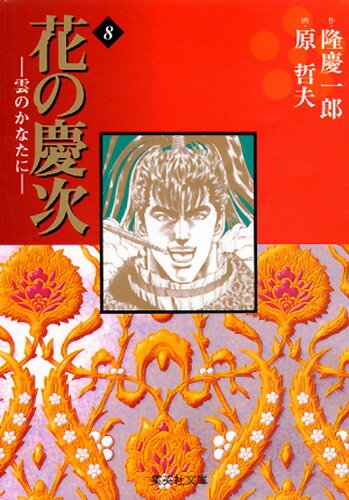
Hana no Keiji
Hana no Keiji follows Keiji Maeda, the real historical figure known as the eccentric samurai who rejected the obligations of clan and hierarchy to live entirely by his own aesthetic code — and the manga is his story as historical action epic.
Historical / Romance
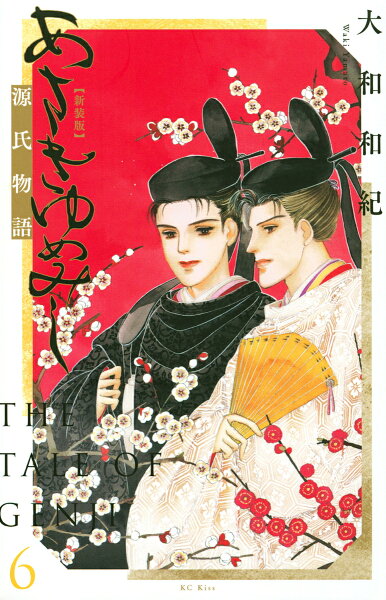
Asaki Yumemishi
A review of Waki Yamato's Asaki Yumemishi — 13 volumes in Kodansha's Mimi from 1979 to 1993. The landmark manga adaptation of The Tale of Genji, available in English from Kodansha USA in 10 digital volumes.
Historical / Drama
Hidamari no Ki
Hidamari no Ki follows two real figures from the late Edo period — one a samurai, one a doctor — as Japan's encounter with Western medicine and Western power forces both of them to decide what they believe in and what they are willing to lose.
Written by
Yu
Manga Enthusiast from Japan
I grew up in Japan and manga literally saved me during a tough time in elementary school. My English isn't perfect, but my love for manga is real — and I want to share it with you.