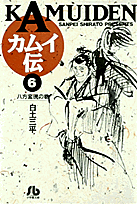
Kamui Den Review: The Ninja Manga That Was Really About Class War
by Sanpei Shirato
Read the first volume. If it doesn't hook you, put it down. It'll hook you.
Buy Kamui Den on Amazon →*Affiliate link — I earn a small commission at no extra cost to you.
What if the ninja story was really about the people the feudal system was designed to destroy?
Quick Take
- Sanpei Shirato's masterwork — a ninja action epic that is also one of manga's most radical political documents
- Serialized in Garo magazine during Japan's student movement era — the politics were not metaphorical
- The action sequences are extraordinary; the class analysis underneath them is what the series is actually about
Who Is This Manga For?
- Readers of political manga who want action that carries genuine ideological weight
- Fans of Garo magazine's tradition — Shirato is the foundational figure of alternative manga
- Anyone interested in how popular genres can become vehicles for radical argument
- Historical fiction readers who want the Edo period shown without nostalgia
Content Warnings & Age Rating
Age Rating: M (Mature) Content Warnings: Graphic violence consistent with the feudal period. Depictions of the brutal treatment of the lowest social castes. Themes of class oppression and social revolution. Not appropriate for younger readers.
Mature content throughout.
Yu's Rating
| Category | Score |
|---|---|
| Story Depth | ★★★★★ |
| Art Style | ★★★★★ |
| Character Development | ★★★★★ |
| Accessibility for Non-Japanese Readers | ★★★☆☆ |
| Reread Value | ★★★★★ |
Story Overview
Kamui is born into the eta — the lowest caste of Edo period Japan, below farmers, below merchants, below almost everyone the feudal system categorized. The eta handled work the other castes considered impure: butchering, leatherwork, burial. They were legally and socially beneath contempt.
Kamui decides to become a ninja. In the world of Kamui Den, the shinobi arts are one of the only paths by which someone of the lowest caste can achieve any kind of power or freedom — and even then, the path is brutal, and the freedom is never complete.
The series follows Kamui's training, his conflicts with other ninja, and his navigation of a feudal society that has every structural reason to destroy him. Shirato interweaves Kamui's story with the lives of farmers, merchants, and rulers — showing the Edo class system from every angle and making clear that its violence is not incidental but designed.
It is an action manga. The fight sequences are among the finest Shirato ever drew. But the series' argument — that the Edo period's beauty concealed a systematic brutality that the people at the bottom experienced completely and the people at the top were constructed not to see — is what gives those sequences their weight.
Characters
Kamui: A protagonist whose determination is not heroic in any comfortable sense — he wants to be free, and freedom in his context requires him to become as dangerous as the system that oppresses him. His relationship to violence is complex in ways that most action protagonists' are not.
The farmers and eta: Shirato gives remarkable depth to the people who surround Kamui — the communities that the class system grinds down. They are not background; they are the story's actual subject.
The ruling class: Rendered without romanticism — the samurai and officials who maintain the system are shown as people who benefit from it and who use its machinery without examining what it does.
Art Style
Shirato's art in Kamui Den is among the most technically accomplished in 1960s manga — dynamic, precise, and capable of rendering both the beauty of the natural world and the ugliness of what human systems do to each other. His action sequences have an almost choreographic quality; each panel is a moment in a movement.
The darkness of the content is matched by the seriousness of the visual approach. This is not cartoony or simplified — it asks the reader's full attention.
Cultural Context
Kamui Den was serialized in Garo magazine from 1964 to 1971 — the years of Japan's student movement, when radical politics were in the streets and in the culture. Shirato was not making an analogy; he was writing directly into a political moment, and his readers understood that.
The eta caste system (which persisted in different forms well into the modern period) was a real and ongoing wound in Japanese society. Shirato chose to center his ninja epic on someone from this caste at a time when that choice was politically charged in ways that are difficult to fully recover from outside the historical context.
What I Love About It
I love that the series refuses to separate the action from the politics.
Most politically engaged genre fiction uses the genre as a delivery mechanism — the politics are in the dialogue, the speeches, the moments of explicit argument. Kamui Den doesn't do this. The politics are in the action itself. When Kamui fights, the fight is about his position in the social order, not just about whether he wins. The feudal class system is present in every scene because the characters can never escape it.
This is what great political fiction does: it makes you feel the structure as a weight, not just understand it as an argument.
What English-Speaking Fans Say
Not well known in English-speaking markets due to the lack of translation. Among scholars of manga history and readers of alternative manga, Kamui Den is understood as a foundational text — the work that established what Garo magazine could be and what political manga could accomplish. Shirato is sometimes described as the creator who made manga a serious political medium before anyone else thought to try.
Memorable Scene ⚠️ Spoiler Warning
A sequence in which Kamui, having achieved a temporary position of relative safety, encounters a group of eta being treated with routine cruelty by samurai — and the scene forces the reader to feel the full weight of what Kamui escaped and what most people in his position could not escape. The scene is brutal in exactly the way the series means to be brutal.
Similar Manga
- Lone Wolf and Cub: Same era, comparable historical seriousness — less political, more personal
- Vagabond: Another samurai epic interested in what violence costs — different in tone
- Spirals of Time: Shirato's other major work — smaller scale, similar politics
Reading Order / Where to Start
Volume 1. The series is structured chronologically and builds its argument gradually — the early volumes establish the world before the political weight accumulates.
Official English Translation Status
Kamui Den has no official English translation. It remains one of the significant untranslated works in manga history.
Pros & Cons
Pros
- One of manga's great political masterworks
- Action sequences of extraordinary quality
- A genuinely radical historical perspective on the Edo period
- Foundational to understanding what alternative manga became
Cons
- No English translation
- Requires historical context to fully appreciate
- The political content is not subtle — readers looking for pure action may find it demanding
Format Comparison
| Format | Notes |
|---|---|
| Physical | Japanese editions available |
| Digital | Available in Japanese |
| Omnibus | Collected editions available |
Where to Buy
No English release yet. That just means you find it before everyone else does.
*Affiliate link — I earn a small commission at no extra cost to you.
More Manga You Might Like
Historical / Action
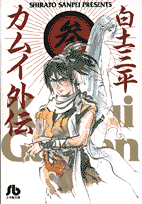
Kamui Gaiden
Kamui Gaiden follows the fugitive ninja Kamui after he abandons his clan — a man who fought for freedom and now runs to protect it, hunted by the people who want him dead and by a society that has no place for him.
Historical / Action
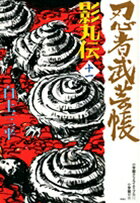
Ninja Bugeicho
Ninja Bugeicho is Sanpei Shirato's foundational work — a ninja story set in feudal Japan that established the template for politically engaged action manga and directly preceded Kamui Den as his mature masterwork.
Historical / Action
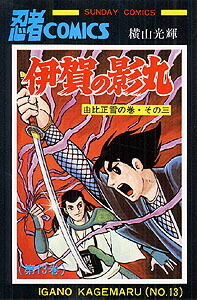
Iga no Kagemaru
Iga no Kagemaru follows Kagemaru, a ninja of the Iga clan in the Sengoku period, as he uses infiltration, disguise, and combat skills to navigate the political conflicts of feudal Japan — an early ninja manga that established visual conventions the genre still uses today.
Historical / Action
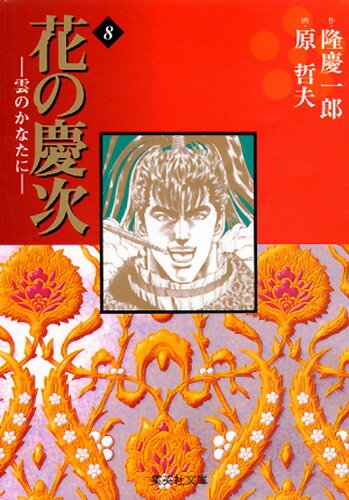
Hana no Keiji
Hana no Keiji follows Keiji Maeda, the real historical figure known as the eccentric samurai who rejected the obligations of clan and hierarchy to live entirely by his own aesthetic code — and the manga is his story as historical action epic.
Historical / Romance
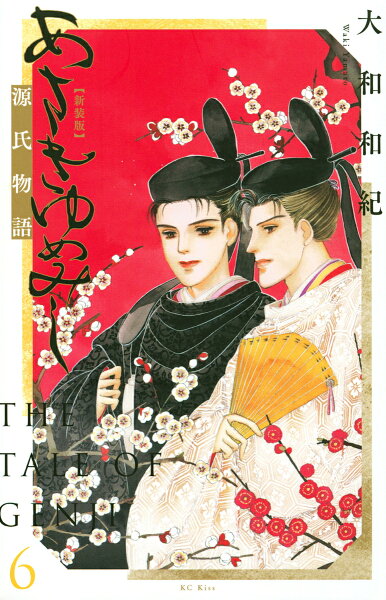
Asaki Yumemishi
A review of Waki Yamato's Asaki Yumemishi — 13 volumes in Kodansha's Mimi from 1979 to 1993. The landmark manga adaptation of The Tale of Genji, available in English from Kodansha USA in 10 digital volumes.
Historical / Drama
Hidamari no Ki
Hidamari no Ki follows two real figures from the late Edo period — one a samurai, one a doctor — as Japan's encounter with Western medicine and Western power forces both of them to decide what they believe in and what they are willing to lose.
Written by
Yu
Manga Enthusiast from Japan
I grew up in Japan and manga literally saved me during a tough time in elementary school. My English isn't perfect, but my love for manga is real — and I want to share it with you.