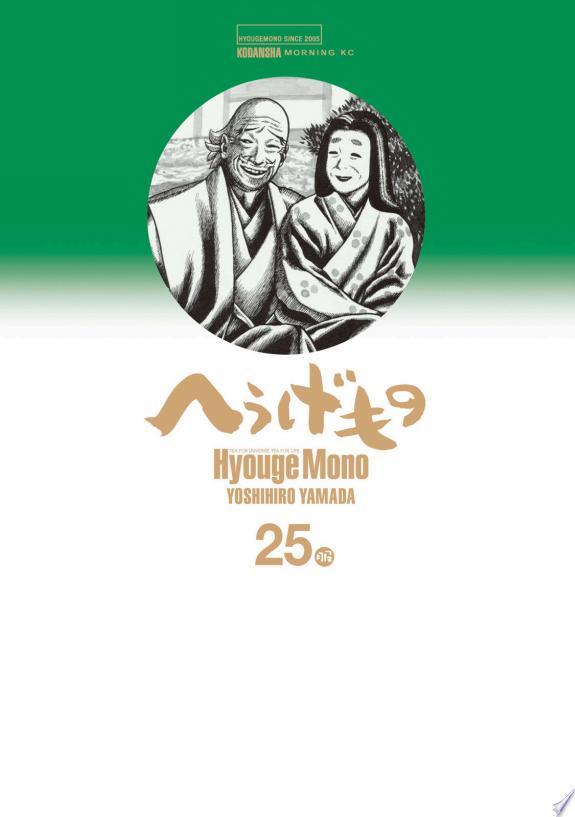
Hyouge Mono Review: The Samurai Who Fought Wars Over Tea Bowls
by Yoshihiro Yamada
Read the first volume. If it doesn't hook you, put it down. It'll hook you.
Buy Hyouge Mono on Amazon →*Affiliate link — I earn a small commission at no extra cost to you.
What if the most important battles of the Sengoku period were fought over the beauty of a tea bowl?
Quick Take
- Yoshihiro Yamada's Manga Taisho Award-winning historical comedy — the Sengoku period through the eyes of a samurai obsessed with aesthetics
- Furuta Sasuke wants two things: to survive the deadliest era in Japanese history, and to acquire beautiful objects. These goals conflict constantly.
- One of manga's most original historical works — serious about politics, philosophy, and craft, funny about almost everything else
Who Is This Manga For?
- Readers interested in Japanese aesthetics (wabi-sabi, tea ceremony, the concept of mono no aware)
- Historical manga fans who want Sengoku period drama with genuine wit
- Anyone who found Vinland Saga or Aun philosophically satisfying and wants a similar depth in a different register
- Readers who enjoy comedy that emerges from character rather than situation
Content Warnings & Age Rating
Age Rating: T (Teen) Content Warnings: Historical political intrigue including executions and warfare. Tea ceremony depicted with accuracy and reverence. Some violence. Appropriate for the rating.
Suitable for teen readers and above.
Yu's Rating
| Category | Score |
|---|---|
| Story Depth | ★★★★★ |
| Art Style | ★★★★★ |
| Character Development | ★★★★★ |
| Accessibility for Non-Japanese Readers | ★★★★☆ |
| Reread Value | ★★★★★ |
Story Overview
Furuta Sasuke serves Oda Nobunaga during the final years of the Oda campaign to unify Japan. He is a capable samurai and a competent political operator. His problem is that he is also deeply, hopelessly devoted to beautiful things — tea bowls especially, but also gardens, weapons of elegant design, any object that strikes him as aesthetically significant.
This obsession puts him in constant tension with his political role. The Sengoku period rewards calculation and ruthlessness; Furuta's responses to beautiful objects bypass calculation entirely and produce expressions that his political allies find alarming and his political opponents find incomprehensible.
The manga follows him through the major historical events of the period — Nobunaga's death, the rise of Hideyoshi, the tea master Sen no Rikyū's tragic end — using Furuta's aesthetic perspective to illuminate what these events meant beyond their political outcomes.
Yamada treats the tea ceremony not as a quirky setting but as a philosophical system. Wabi-sabi — the aesthetic of imperfection and transience — is taken seriously as a way of understanding beauty and mortality. Furuta's comedy comes from trying to live by this philosophy in a world designed to kill beautiful things.
Characters
Furuta Sasuke: One of manga's most unusual protagonists — a man divided between political survival and aesthetic rapture, capable of both cold calculation and complete vulnerability in the presence of beauty.
Sen no Rikyū: The historical tea master appears as a figure of genuine philosophical weight — a man who understood that aesthetics and power were inseparable and dangerous.
Nobunaga, Hideyoshi, Ieyasu: The historical giants are rendered as complex political actors, each with a different relationship to beauty and its uses.
Art Style
Yamada's art is distinctive and precise — the faces carry psychology, the objects of aesthetic interest are rendered with documentary care, and the action sequences have the weight of historical events. The visual approach to tea ceremony objects specifically — the way a bowl is held, the composition of a garden — is among the most careful in historical manga.
Cultural Context
Hyouge Mono ran in Morning from 2005 to 2017. It won the Manga Taisho Award in 2010 — an award given by bookstore staff, making it a recognition of literary merit rather than sales. The manga's treatment of Japanese aesthetic concepts (wabi-sabi, mono no aware) is serious enough that it functions as an introduction to these ideas for readers without prior knowledge.
An anime adaptation aired in 2011.
What I Love About It
I love how the manga handles the execution of Sen no Rikyū.
This is a historical event — Hideyoshi ordered the tea master's death, and nobody has ever been entirely certain why. Yamada's account makes Furuta's perspective on the event central: someone who understood beauty watching beauty's greatest practitioner be destroyed by someone who only understood power. The manga doesn't editorialize. It just shows what it looked like from inside, and that's enough.
What English-Speaking Fans Say
Not known in English-speaking markets. Among readers of Japanese historical manga and readers interested in aesthetics, Hyouge Mono is treated as a landmark — one of the few manga that takes the philosophy of beauty as its central subject rather than its background.
Memorable Scene ⚠️ Spoiler Warning
Furuta's first encounter with a tea bowl that makes him understand wabi-sabi as a felt experience rather than a concept — his reaction, which he cannot control and cannot hide, reveals to everyone around him that he is not the simple political calculator he appears to be. The moment defines the entire manga.
Similar Manga
| Title | Its Approach | How Hyouge Mono Differs |
|---|---|---|
| Vinland Saga | Philosophical Viking action | Comedy-drama about aesthetics in samurai politics |
| Aun (Uoto) | Buddhist philosophical history | Tea-based aesthetic philosophy in Sengoku action |
| Hana no Keiji | Aesthetic samurai rejecting duty | Aesthetic samurai operating within (and against) duty |
Reading Order / Where to Start
Volume 1. The historical narrative is chronological and builds from the first episode's introduction of Furuta.
Official English Translation Status
Hyouge Mono has no official English translation.
Pros & Cons
Pros
- Manga Taisho Award winner — recognized for literary merit
- Furuta is one of the most original protagonists in historical manga
- The aesthetic philosophy at its center is genuinely illuminating
- Complete at 17 volumes
Cons
- No English translation
- Deep tea ceremony and Sengoku context benefits from background knowledge
- The comedy register may jar readers expecting straight historical drama
- If aesthetics-as-philosophy doesn't interest you, the manga's center won't hold
Is Hyouge Mono Worth Reading?
For readers interested in Japanese aesthetics, history, or original manga storytelling — yes, unambiguously. This is the kind of work that changes how you see both manga and the objects it's about. For readers wanting conventional Sengoku action, look elsewhere. It's not a compromise between the two modes; it's fully committed to its own.
Format Comparison
| Format | Notes |
|---|---|
| Physical | Japanese editions available |
| Digital | Available in Japanese |
| Omnibus | Collected editions available |
Where to Buy
No English release yet. That just means you find it before everyone else does.
*Affiliate link — I earn a small commission at no extra cost to you.
More Manga You Might Like
Historical / Drama
Hidamari no Ki
Hidamari no Ki follows two real figures from the late Edo period — one a samurai, one a doctor — as Japan's encounter with Western medicine and Western power forces both of them to decide what they believe in and what they are willing to lose.
Historical / Action
Hana no Keiji
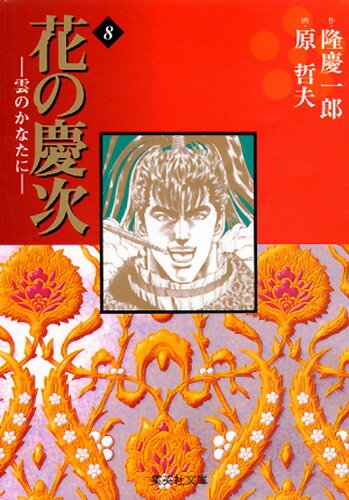
Hana no Keiji follows Keiji Maeda, the real historical figure known as the eccentric samurai who rejected the obligations of clan and hierarchy to live entirely by his own aesthetic code — and the manga is his story as historical action epic.
Historical / Comedy
Nobunaga Concerto
Nobunaga Concerto follows Saburo, a modern high school student who travels back in time to the Sengoku period and — because he looks identical to Oda Nobunaga — is asked to take the warlord's place while the real Nobunaga escapes to live as a commoner.
Historical / Romance
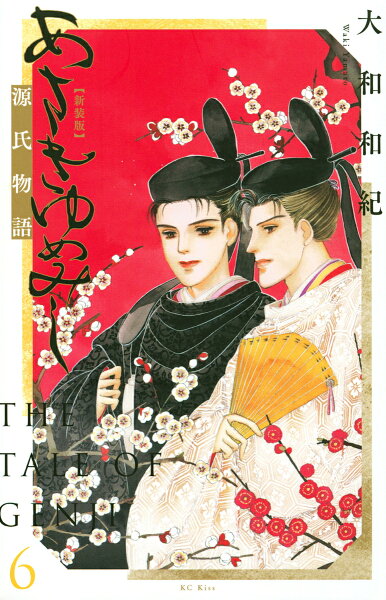
Asaki Yumemishi
A review of Waki Yamato's Asaki Yumemishi — 13 volumes in Kodansha's Mimi from 1979 to 1993. The landmark manga adaptation of The Tale of Genji, available in English from Kodansha USA in 10 digital volumes.
Historical / Action
Kamui Den
Kamui Den follows Kamui, a ninja born into the lowest social caste of feudal Japan, whose pursuit of freedom through the shinobi arts becomes a lens on the systematic brutality of the Edo period class system — one of manga's great radical political works.
Historical / Action
Kamui Gaiden
Kamui Gaiden follows the fugitive ninja Kamui after he abandons his clan — a man who fought for freedom and now runs to protect it, hunted by the people who want him dead and by a society that has no place for him.
Written by
Yu
Manga Enthusiast from Japan
I grew up in Japan and manga literally saved me during a tough time in elementary school. My English isn't perfect, but my love for manga is real — and I want to share it with you.