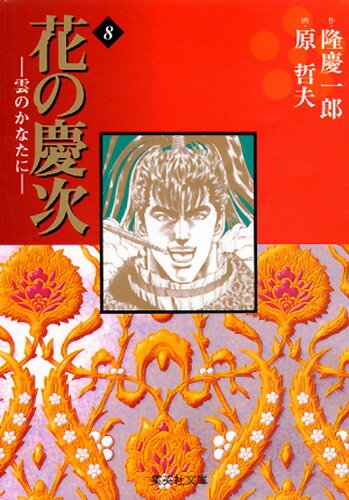
Hana no Keiji Review: The Samurai Who Chose Beauty Over Loyalty
by Tetsuo Hara / Ryō Keiichirō
Read the first volume. If it doesn't hook you, put it down. It'll hook you.
Buy Hana no Keiji on Amazon →*Affiliate link — I earn a small commission at no extra cost to you.
What if the greatest samurai of his era cared more about beauty than about winning?
Quick Take
- Tetsuo Hara (Fist of the North Star) draws the historical Keiji Maeda — the real "eccentric samurai" who defied the Sengoku period's deadly hierarchy
- Not a standard samurai story about duty and loyalty — Keiji's code is aesthetic and personal, not institutional
- 18 volumes of gorgeous historical action from one of manga's great action artists
Who Is This Manga For?
- Readers of Fist of the North Star who want Tetsuo Hara's art applied to Japanese history
- Historical manga fans who want the Sengoku period through a genuinely unconventional protagonist
- Anyone interested in the real Keiji Maeda, one of Japanese history's most documented eccentrics
- Readers of Vagabond who want comparable historical seriousness with more action intensity
Content Warnings & Age Rating
Age Rating: T (Teen) Content Warnings: Historical violence throughout. Sengoku period warfare. Action sequences are intense but not gratuitous. Appropriate for the rating.
Suitable for teen readers and above.
Yu's Rating
| Category | Score |
|---|---|
| Story Depth | ★★★★★ |
| Art Style | ★★★★★ |
| Character Development | ★★★★★ |
| Accessibility for Non-Japanese Readers | ★★★★☆ |
| Reread Value | ★★★★★ |
Story Overview
Keiji Maeda was a real historical figure — a samurai in the service of the Maeda clan in the late 16th century, during the wars that would unify Japan under Tokugawa. What made him legendary was not his combat ability (which was considerable) but his refusal to behave as his position required.
He abandoned his clan. He wandered. He associated with people below his station. He valued beautiful things — music, poetry, companionship, a good horse, a good fight — over political calculation. In an era when everyone was playing a survival game with deadly stakes, Keiji opted out of the game itself and played by his own rules.
Hara's manga dramatizes this. Keiji moves through the Sengoku period's major events — Sekigahara, the rise of Hideyoshi, the conflicts between the great clans — not as a participant in their political logic but as a free agent whose aesthetic code occasionally intersects with history.
The result is a historical manga that is genuinely unusual: the protagonist is not trying to win the historical moment. He is trying to live beautifully within it.
Characters
Keiji Maeda: One of manga's most fully realized historical protagonists. His eccentricity is not comedy — it is a coherent philosophy. He is not irresponsible; he has different responsibilities than the era's institutions recognize.
The historical figures: Hideyoshi, Ieyasu, and others appear as themselves — political operators who find Keiji alternately useful, incomprehensible, and threatening. Hara depicts them with enough specificity that they feel like people rather than historical furniture.
Art Style
Tetsuo Hara's art is among the most powerful in the samurai genre. Every character is rendered with physical intensity — the bodies carry weight, the faces register psychology, and the battle sequences achieve the visual scale of the historical events they depict. This is a beautiful manga in the most direct sense.
Cultural Context
Hana no Keiji ran in Weekly Shonen Jump from 1990 to 1993, based on a novel by Ryō Keiichirō about the historical Keiji Maeda. Hara's collaboration with the novel — adapting a literary historical fiction into action manga form — produced something that is faithful to neither genre's conventions and better than either would have been alone.
What I Love About It
I love Keiji's relationship with beauty.
In the Sengoku period, every samurai was supposed to be prepared to die for their lord. Keiji is prepared to die, but not for any lord — for something more personal and harder to define. When he admires a sunset or a flower or a skilled opponent, he means it completely. His aesthetic response to the world is not decoration on the action story; it is the story. A man who chooses beauty over loyalty is, in 16th-century Japan, making a revolutionary choice.
What English-Speaking Fans Say
Not known in English-speaking markets. Among readers of Japanese historical manga, Hana no Keiji is cited as one of the medium's finest treatments of the Sengoku period — Hara's art applied to a subject that genuinely deserves it.
Memorable Scene ⚠️ Spoiler Warning
A confrontation where Keiji, faced with a choice between political calculation and personal loyalty to someone who cannot help him politically, chooses the personal — and explains his choice in terms that reduce the political opponent to silence. The scene is the manga's thesis: that some things are worth more than advantage.
Similar Manga
| Title | Its Approach | How Hana no Keiji Differs |
|---|---|---|
| Vagabond | Philosophical swordsmanship quest | Aesthetic freedom over mastery |
| Lone Wolf and Cub | Duty-bound samurai on a death path | Duty-rejecting samurai choosing beauty |
| Blade of the Immortal | Dark, morally complex samurai action | Warmer, more joyful protagonist philosophy |
Reading Order / Where to Start
Volume 1. The historical narrative develops chronologically.
Official English Translation Status
Hana no Keiji has no official English translation.
Pros & Cons
Pros
- Tetsuo Hara's art at its most expressive and powerful
- Keiji is a genuinely original historical protagonist
- The philosophical depth matches the action quality
- Complete at 18 volumes
Cons
- No English translation
- Sengoku period context benefits from some prior knowledge
- The aesthetic philosophy at the manga's center may not connect with all readers
- The deliberate pace in non-action sequences may not suit readers wanting constant tension
Is Hana no Keiji Worth Reading?
If you have any interest in samurai manga or historical action, yes without reservation — this is among the genre's finest works. Hara's art alone justifies the reading. The protagonist's philosophy elevates it above action spectacle. One of the manga medium's underappreciated masterworks.
Format Comparison
| Format | Notes |
|---|---|
| Physical | Japanese editions available |
| Digital | Available in Japanese |
| Omnibus | Collected editions available |
Where to Buy
No English release yet. That just means you find it before everyone else does.
*Affiliate link — I earn a small commission at no extra cost to you.
More Manga You Might Like
Historical / Action
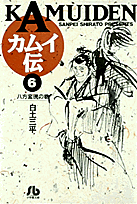
Kamui Den
Kamui Den follows Kamui, a ninja born into the lowest social caste of feudal Japan, whose pursuit of freedom through the shinobi arts becomes a lens on the systematic brutality of the Edo period class system — one of manga's great radical political works.
Historical / Action
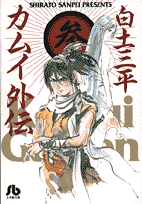
Kamui Gaiden
Kamui Gaiden follows the fugitive ninja Kamui after he abandons his clan — a man who fought for freedom and now runs to protect it, hunted by the people who want him dead and by a society that has no place for him.
Historical / Action
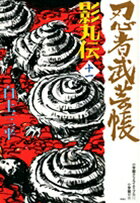
Ninja Bugeicho
Ninja Bugeicho is Sanpei Shirato's foundational work — a ninja story set in feudal Japan that established the template for politically engaged action manga and directly preceded Kamui Den as his mature masterwork.
Historical / Drama
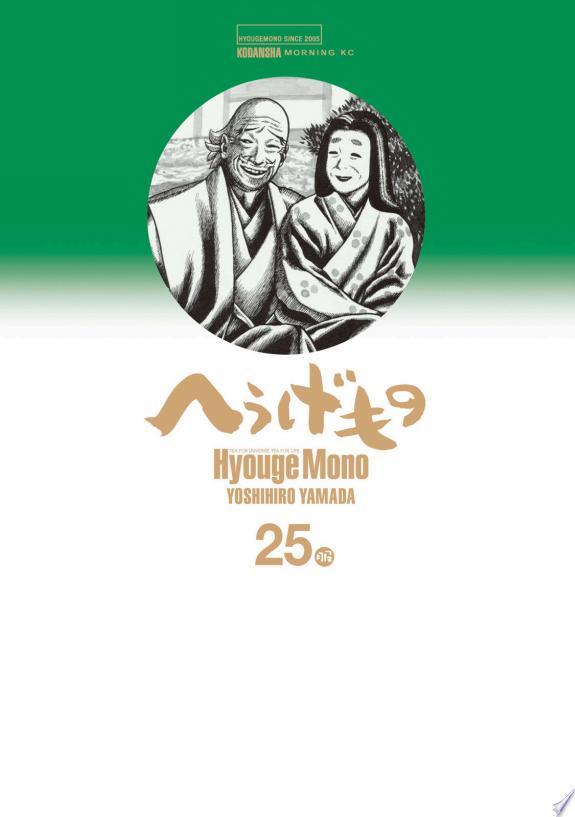
Hyouge Mono
Hyouge Mono follows Sasuke Furuta, a samurai retainer to Oda Nobunaga whose secret passion is aesthetic objects — tea bowls, garden arrangements, calligraphy — and whose pursuit of beautiful things in a world of political violence creates the manga's central comedy and drama.
Historical / Action
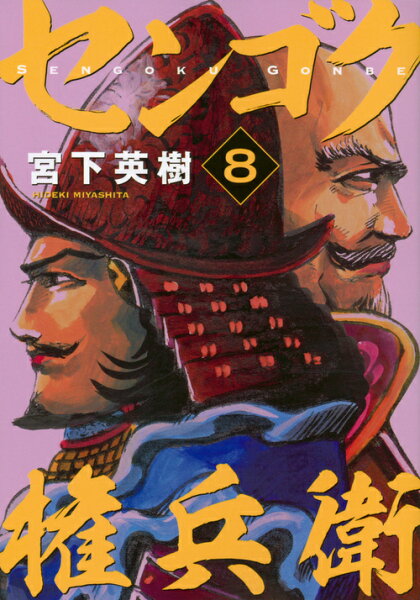
Sengoku
Sengoku follows Sengoku Gonbei, a foot soldier who rises through the ranks during Japan's Warring States period, serving under Oda Nobunaga and later Toyotomi Hideyoshi — a ground-level view of one of Japanese history's most turbulent eras.
Historical / Action
Iga no Kagemaru
Iga no Kagemaru follows Kagemaru, a ninja of the Iga clan in the Sengoku period, as he uses infiltration, disguise, and combat skills to navigate the political conflicts of feudal Japan — an early ninja manga that established visual conventions the genre still uses today.
Written by
Yu
Manga Enthusiast from Japan
I grew up in Japan and manga literally saved me during a tough time in elementary school. My English isn't perfect, but my love for manga is real — and I want to share it with you.