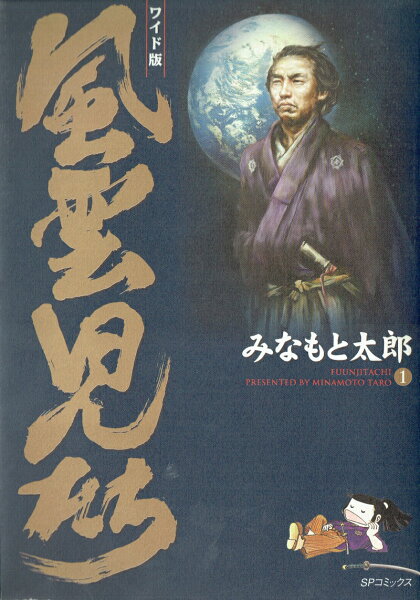
Fuunji-tachi Review: The Manga That Makes Edo-Period Japan Feel Alive
by Minamoto Taro
Read the first volume. If it doesn't hook you, put it down. It'll hook you.
Buy Fuunji-tachi on Amazon →*Affiliate link — I earn a small commission at no extra cost to you.
Quick Take
- An epic historical comedy covering Japan's most dramatic political transformation — from isolation to modernity
- The mix of educational rigor and comedy is handled masterfully — genuinely funny and genuinely informative
- An enormous work spanning decades of Japanese history, giving personality to historical figures most manga ignore
Who Is This Manga For?
- Japanese history enthusiasts interested in the Edo to Meiji transition period
- Readers of historical manga who want depth alongside the narrative
- Anyone curious about how Japan opened to the world and the people who made it happen
- Educational manga fans who want their history with genuine character and humor
Content Warnings & Age Rating
Age Rating: T (Teen) Content Warnings: Historical violence consistent with the period, political content around the Meiji Restoration
Appropriate for its rating.
Yu's Rating
| Category | Score |
|---|---|
| Story Depth | ★★★★★ |
| Art Style | ★★★★☆ |
| Character Development | ★★★★★ |
| Accessibility for Non-Japanese Readers | ★★★☆☆ |
| Reread Value | ★★★★☆ |
Story Overview
Fuunji-tachi begins with the scientific curiosity of the Edo period — the rangaku (Dutch learning) scholars who, through the one legal window of contact with the outside world at Dejima in Nagasaki, began learning about Western science and technology. It follows their descendants and successors through the accumulating crisis of Japanese isolation: the arrival of Western ships, the political debates about how to respond, the eventual forced opening of Japan, and the catastrophic domestic conflict that followed.
The historical figures — scientists, politicians, samurai, merchants — are depicted with full biographical detail and genuine personality. The series is committed to historical accuracy and to making each historical figure feel like a person rather than a name in a textbook.
The comedy is real and consistent — the author finds the absurdity, the misunderstanding, and the human scale in historical events without diminishing their weight.
Characters
The rangaku scholars: The early focus on Japanese scientists learning about Western knowledge — the personal cost of that learning, the institutional resistance they faced, the specific things they understood first — is one of manga's most original treatments of intellectual history.
Various historical figures: Tanuma Okitsugu, Matsudaira Sadanobu, Sakamoto Ryoma, and many others are depicted with biographical depth and human presence. These are not historical cardboard cutouts but people the series has clearly researched extensively.
Art Style
The author's distinctive style — comedic character faces for moment-to-moment expression, historically accurate costumes and settings — creates the combination of humor and seriousness that defines the series. Period Japan is rendered with evident research.
Cultural Context
The Edo to Meiji transition is one of the most significant events in Japanese history — the rapid, traumatic, remarkably effective modernization of a feudal society that had been isolated for over two centuries. Understanding this period is essential for understanding modern Japan.
Fuunji-tachi treats this history with the combination of respect and humor that it actually deserves — these were real people navigating impossible situations, often with more comedy than the textbooks remember.
What I Love About It
I love how the series treats intelligence as its own kind of heroism.
The early sections of Fuunji-tachi are about scientists and scholars — people who, in a time of intense political conservatism, tried to learn about the world through whatever windows were available. Their heroism is not military. It's epistemic: the willingness to know what the world is actually like, regardless of whether knowing it is convenient.
This is rare in historical manga, which usually centers military or political action. Fuunji-tachi insists that the scientists and scholars mattered as much as the samurai. I think this is correct, and I love that the series makes the argument at length and with complete conviction.
What English-Speaking Fans Say
Not known in English-speaking markets. Among Japanese history enthusiasts and educational manga scholars, it is cited as one of the finest and most accurate historical manga available. The combination of genuine historical research and comedy is consistently described as unique in the genre.
Memorable Scene ⚠️ Spoiler Warning
The section covering the arrival of Commodore Perry's Black Ships — depicted from the perspective of various Japanese who saw them for the first time, each with a different understanding of what they were looking at — is the series' historical pivot and its most structurally impressive piece of storytelling.
Similar Manga
- Sengoku (various): Same historical manga tradition, different period
- Vinland Saga: Different culture, similar commitment to historical seriousness
- Cesare: European Renaissance, similar combination of historical accuracy and character depth
Reading Order / Where to Start
Volume 1. The series builds chronologically through the period.
Official English Translation Status
Fuunji-tachi has no official English translation.
Pros & Cons
Pros
- Exceptional historical accuracy across a long and complex period
- The comedy makes the history accessible without diminishing it
- Remarkable treatment of intellectual history alongside political history
- 30+ volumes of accumulated depth
Cons
- No English translation
- Requires substantial Japanese history knowledge to fully appreciate
- Ongoing — no conclusion yet
Format Comparison
| Format | Notes |
|---|---|
| Physical | Japanese editions available |
| Digital | Available in Japanese |
| Omnibus | Various compilation formats in Japan |
Where to Buy
No English release yet. That just means you find it before everyone else does.
*Affiliate link — I earn a small commission at no extra cost to you.
More Manga You Might Like
Historical / Drama
Hidamari no Ki
Hidamari no Ki follows two real figures from the late Edo period — one a samurai, one a doctor — as Japan's encounter with Western medicine and Western power forces both of them to decide what they believe in and what they are willing to lose.
Historical / Action
Kamui Den
Kamui Den follows Kamui, a ninja born into the lowest social caste of feudal Japan, whose pursuit of freedom through the shinobi arts becomes a lens on the systematic brutality of the Edo period class system — one of manga's great radical political works.
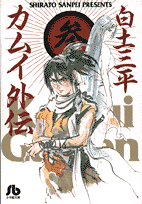
Historical / Action
Kamui Gaiden
Kamui Gaiden follows the fugitive ninja Kamui after he abandons his clan — a man who fought for freedom and now runs to protect it, hunted by the people who want him dead and by a society that has no place for him.
Historical / Action
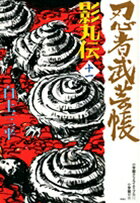
Ninja Bugeicho
Ninja Bugeicho is Sanpei Shirato's foundational work — a ninja story set in feudal Japan that established the template for politically engaged action manga and directly preceded Kamui Den as his mature masterwork.
Historical / Drama
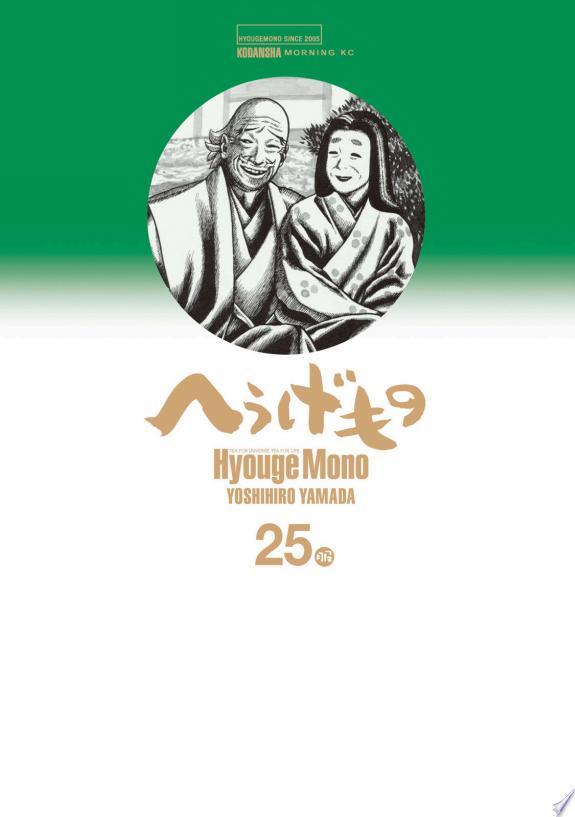
Hyouge Mono
Hyouge Mono follows Sasuke Furuta, a samurai retainer to Oda Nobunaga whose secret passion is aesthetic objects — tea bowls, garden arrangements, calligraphy — and whose pursuit of beautiful things in a world of political violence creates the manga's central comedy and drama.

Historical / Romance
The Prince in the Sunlight
Prince of the Dawn reimagines Prince Shotoku — one of Japan's most revered historical figures — as a powerful supernatural being with no capacity for ordinary human connection, obsessively in love with a man who cannot love him back.
Written by
Yu
Manga Enthusiast from Japan
I grew up in Japan and manga literally saved me during a tough time in elementary school. My English isn't perfect, but my love for manga is real — and I want to share it with you.