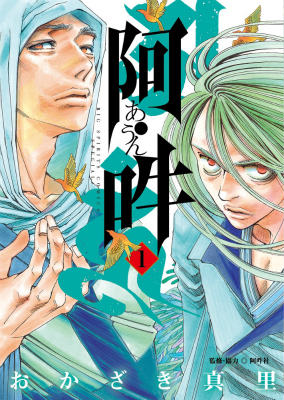
Aun Review: The Buddhist Historical Manga That Made Faith Into Action
by Uoto
Read the first volume. If it doesn't hook you, put it down. It'll hook you.
Buy Aun on Amazon →*Affiliate link — I earn a small commission at no extra cost to you.
What if the two people who would define Japanese religion for centuries were rivals who needed each other?
Quick Take
- Uoto's historical manga about Kukai and Saicho — the founding figures of Shingon and Tendai Buddhism in Japan
- Not a reverential biography but a genuinely dramatic story about two very different people in pursuit of the same thing
- One of the finest historical manga of the 2010s — serious, visually beautiful, and humanizing about its subjects
Who Is This Manga For?
- Readers interested in Japanese religious history who want it dramatized rather than explained
- Historical manga fans who want something more intellectually serious than sword-and-ninja fare
- Anyone interested in Buddhism as a lived practice rather than a philosophy text
- Readers of Vinland Saga or Vagabond who want comparable historical seriousness with a different subject
Content Warnings & Age Rating
Age Rating: T (Teen) Content Warnings: Historical religious conflict. Themes of death and spiritual struggle. No graphic violence.
Suitable for teen readers and above.
Yu's Rating
| Category | Score |
|---|---|
| Story Depth | ★★★★★ |
| Art Style | ★★★★★ |
| Character Development | ★★★★★ |
| Accessibility for Non-Japanese Readers | ★★★★☆ |
| Reread Value | ★★★★★ |
Story Overview
In the early 9th century, the Japanese imperial court sends students to Tang Dynasty China to learn from Chinese Buddhism. Among these students are Kukai — later known as Kobo Daishi, founder of Shingon — and Saicho — later known as Dengyo Daishi, founder of Tendai.
Both are historical figures of the highest importance in Japanese religious history. Aun dramatizes their relationship: their competition for access to teachers and texts, their different temperaments and different understandings of what Buddhism means, and their eventual return to Japan where they would establish separate schools that would shape Japanese religion for centuries.
Uoto makes them into people rather than monuments. Kukai is brilliant and difficult, possessed of an understanding that few around him can follow. Saicho is disciplined and humble in ways that conceal a genuine ambition. Their relationship is not simple friendship or simple rivalry — it is the relationship between two people who recognize each other's significance and are uncertain what to make of that recognition.
Characters
Kukai: A protagonist whose intelligence is a form of isolation — he understands things so quickly and completely that the people around him cannot keep up. His journey to China is about finding teachers who can actually challenge him.
Saicho: The counterpoint — older, more established when the story begins, genuinely pious in a way that Kukai sometimes is and sometimes is not. His relationship with Kukai is the manga's emotional center.
Art Style
Uoto's art is exceptional — clean, detailed historical settings rendered with care, character designs that are distinctive and psychologically revealing, and a visual approach to Buddhist iconography and practice that is both accurate and visually interesting. The Tang Dynasty environments are depicted with evident research.
Cultural Context
Aun ran in Monthly! Spirits from 2014 to 2021. The 9th century period it depicts is when Japanese Buddhism received the forms it would hold for centuries — Kukai and Saicho are to Japanese Buddhism what major reformers were to other religious traditions. Uoto treats this with historical seriousness while making it dramatically accessible.
What I Love About It
I love that the series doesn't resolve the competition between Kukai and Saicho into simple friendship.
Their relationship is genuinely complicated — they admire each other, they need each other, they see each other clearly in ways others don't, and they disagree fundamentally about what Buddhism is and should be. The manga holds all of this simultaneously without simplifying it. By the end, you understand why these two people founded separate schools, and you also understand why their relationship mattered so much that both schools preserved it in their own histories.
What English-Speaking Fans Say
Not known in English-speaking markets. Among readers of Japanese historical manga and readers interested in Buddhist history, Aun is recognized as one of the finest historical manga of its decade — comparable to the best historical manga in terms of research, visual quality, and dramatic intelligence.
Memorable Scene ⚠️ Spoiler Warning
A scene in China where Kukai receives transmission of a teaching that Saicho has been trying to access for years — not through scheming, but simply because the teacher recognized in Kukai the level of understanding the teaching requires. Saicho's response, and what Kukai does with this situation, reveals more about both characters than anything else in the series.
Similar Manga
- Vinland Saga: Historical seriousness, different setting — comparable quality
- Vagabond: Philosophical depth through historical action — different genre
- Kaze Hikaru: Historical drama with similar attention to period accuracy
Reading Order / Where to Start
Volume 1. The story develops chronologically.
Official English Translation Status
Aun has no official English translation.
Pros & Cons
Pros
- One of manga's finest treatments of Japanese religious history
- Exceptional art throughout
- Kukai and Saicho are fully realized as people
- Complete at 14 volumes
Cons
- No English translation
- Requires some background in Japanese Buddhism for full appreciation
- The historical and religious context is dense
Format Comparison
| Format | Notes |
|---|---|
| Physical | Japanese editions available |
| Digital | Available in Japanese |
| Omnibus | Collected editions available |
Where to Buy
No English release yet. That just means you find it before everyone else does.
*Affiliate link — I earn a small commission at no extra cost to you.
More Manga You Might Like
Historical / Drama
Hidamari no Ki
Hidamari no Ki follows two real figures from the late Edo period — one a samurai, one a doctor — as Japan's encounter with Western medicine and Western power forces both of them to decide what they believe in and what they are willing to lose.
Historical / Drama
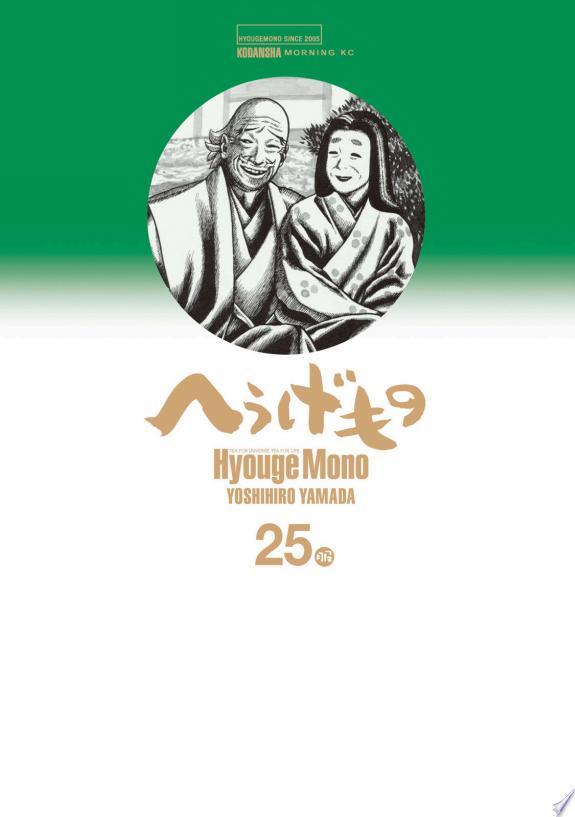
Hyouge Mono
Hyouge Mono follows Sasuke Furuta, a samurai retainer to Oda Nobunaga whose secret passion is aesthetic objects — tea bowls, garden arrangements, calligraphy — and whose pursuit of beautiful things in a world of political violence creates the manga's central comedy and drama.
Historical / Drama
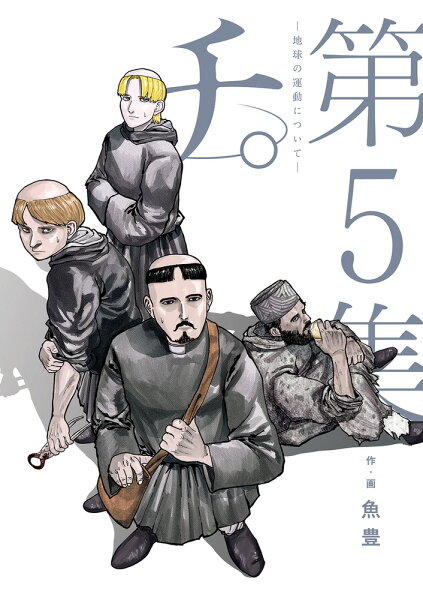
Chi. About the Movement of the Earth
Chi. About the Movement of the Earth follows multiple generations of scholars in medieval Europe who secretly pursue the heliocentric model of the solar system — Paru Itagaki's historical manga about the cost of knowing something that the world refuses to accept.
Historical / Drama
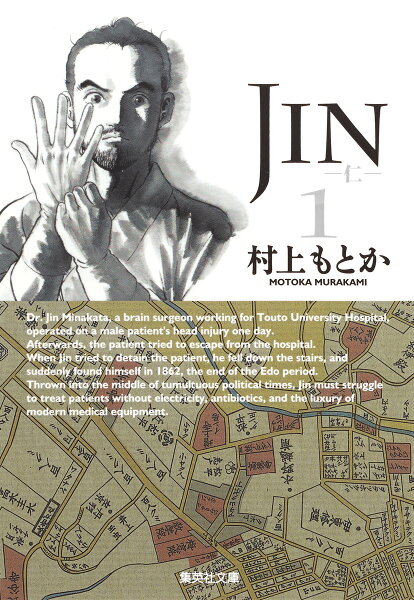
Jin
Jin follows Jin Minakata, a modern brain surgeon time-slipped to Bakumatsu Edo where his medical knowledge could save thousands but might rewrite history — a 20-volume Super Jump epic that combined medical drama with serious historical engagement.
Historical / Drama
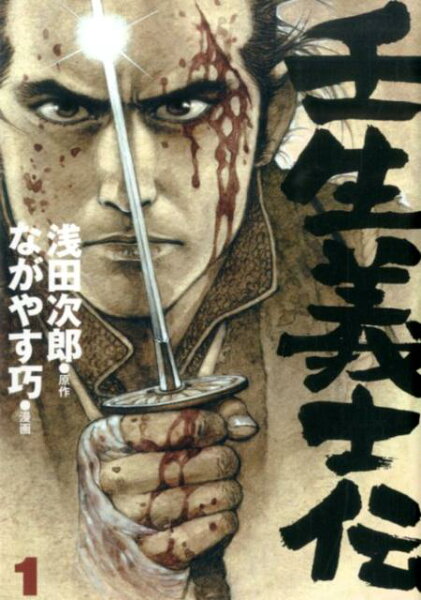
Mibugishiden
Mibugishiden follows Yoshichiro Kanichiro Yoshimura, a Shinsengumi samurai from a farming family who joined the corps to send money home — a man who killed for practical reasons and whose death was heroic for reasons he would not have understood.
Historical / Drama
Ooi! Ryoma
Ooi! Ryoma is the manga adaptation by Tetsuya Takeda and Yu Koyama of Sakamoto Ryoma's life from childhood through young adulthood — a 14-volume Big Comic Spirits drama about the future revolutionary's formation as a person before he became a historical figure.
Written by
Yu
Manga Enthusiast from Japan
I grew up in Japan and manga literally saved me during a tough time in elementary school. My English isn't perfect, but my love for manga is real — and I want to share it with you.