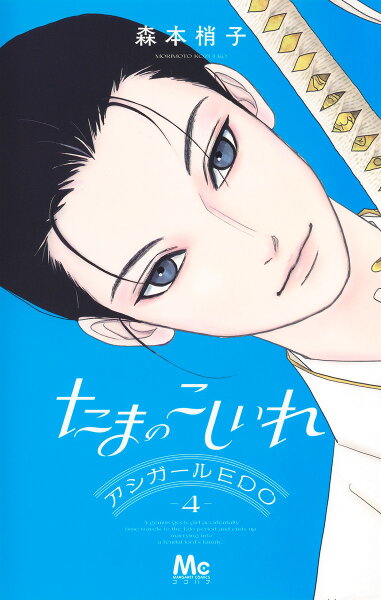
Ashi-Girl Review: The Time-Travel Comedy Where Running Fast Was the Whole Plot
by Kozueko Morimoto
Read the first volume. If it doesn't hook you, put it down. It'll hook you.
Buy Ashi-Girl on Amazon →*Affiliate link — I earn a small commission at no extra cost to you.
Her gift was speed. Her problem was Sengoku Japan. The combination wasn't supposed to work — but the manga ran with it.
Quick Take
- Hiroumi Morio's 16-volume Margaret time-travel romance — Yui Hayakawa, a fast-running high schooler, in Sengoku-era Japan
- Combines shojo romance, historical fiction, and comedy in a sustainable long-form work
- Beloved for its drama adaptation, with the manga itself well-regarded
Who Is This Manga For?
- Shojo romance readers who want a historical-fiction angle
- Time-travel fiction fans who enjoy the trope's romantic applications
- Margaret-magazine enthusiasts who appreciate the magazine's recent classics
- Anyone curious about what running really fast looks like in 16th-century Japan
Content Warnings & Age Rating
Age Rating: T (Teen) Content Warnings: Sengoku-era violence in background, period drama intensity, romantic content.
Suitable for most readers.
Yu's Rating
| Category | Score |
|---|---|
| Story Depth | ★★★★☆ |
| Art Style | ★★★★☆ |
| Character Development | ★★★★☆ |
| Accessibility for Non-Japanese Readers | ★★★☆☆ |
| Reread Value | ★★★★☆ |
Story Overview
Yui Hayakawa is an ordinary high school girl with one extraordinary trait: she can run very, very fast. A scientific accident sends her back to Sengoku-era Japan, where her speed makes her useful as an "ashigaru" (foot soldier) messenger. She meets Wakatono Tadanaga, a young domain lord whose people are under threat, and finds herself drawn into Sengoku-period conflicts that her modern perspective is poorly equipped for.
The structure combines several genres: shojo romance (Yui and Tadanaga's developing relationship), historical fiction (the period's actual political situation), and time-travel adventure (Yui's attempts to navigate between eras and the implications of her interventions). Morio handles all three registers with discipline; no single genre overwhelms the others.
The 16-volume length allows the romance to develop with patience while the historical-fiction and adventure dimensions get their own development. The shojo-magazine context is honored — relationships matter, feelings are taken seriously — but the work refuses to be only romance.
Characters
Yui Hayakawa: A protagonist whose modern girl meets Sengoku reality is the series' comic-dramatic engine.
Wakatono Tadanaga: The young feudal lord whose situation creates the political stakes — drawn with enough character to be more than romantic interest.
The Sengoku-era cast: Each developed enough to register as people of their period rather than generic historical figures.
Art Style
Morio's art has the clean shojo-Margaret style — expressive faces, dynamic action when running sequences happen, period costuming and settings rendered with care. Character designs are distinctive across the long cast.
Cultural Context
Ashi-Girl ran from 2011 to 2018 in Margaret — Shueisha's flagship shojo magazine. The series belongs to the time-travel-into-Sengoku tradition that has produced multiple recent works (Nobunaga no Chef, Inuyasha, Sengoku Komachi Kuroutan, others), with Ashi-Girl's distinctive contribution being its shojo-romance focus and its specific running-speed premise.
The 2017 NHK drama adaptation brought significantly broader cultural recognition.
What I Love About It
I love that the speed matters.
A different premise might have given Yui a generic time-travel ability or an unrelated modern-knowledge advantage. Morio chose running speed specifically — and runs with it. Yui's running comes up constantly: as messenger work, as escape mechanism, as advantage in unexpected situations. The premise isn't decorative; it's load-bearing. The commitment to making the central trait actually function in the story is the work's craft.
What English-Speaking Fans Say
Among manga readers familiar with the drama adaptation, the source manga is regarded with affection. Limited general awareness without translation but high fan engagement among those who have found it.
Memorable Scene ⚠️ Spoiler Warning
A scene where Yui's running speed becomes the difference between life and death not for herself but for someone she has come to care about — and the recognition that her seemingly silly trait carries real weight. The scene exemplifies the work's premise paying off.
Similar Manga
| Title | Its Approach | How Ashi-Girl Differs |
|---|---|---|
| Nobunaga no Chef | Time-travel cooking with Sengoku setting | Different protagonist gift but shared time-travel-Sengoku template |
| Inuyasha | Time-travel romance with fantasy elements | Ashi-Girl is purely historical without fantasy beings |
| Jin | Time-travel medical drama | Same time-travel premise different profession |
Reading Order / Where to Start
Volume 1. The premise and relationships establish across early volumes.
Official English Translation Status
Ashi-Girl has no official English translation.
Pros & Cons
Pros
- Successfully combines shojo romance with historical fiction
- The running-speed premise is meaningfully functional
- 16 volumes of sustained quality
- Drama adaptation expanded the audience
Cons
- No English translation
- Sengoku-period familiarity enhances appreciation
- Romance pacing reflects shojo conventions some readers find slow
- The time-travel mechanism is left mostly unexplained
Is Ashi-Girl Worth Reading?
For shojo romance fans and time-travel fiction readers, yes — this is a satisfying genre blend with genuine commitment to its premise. For readers wanting pure historical fiction or unfamiliar with shojo conventions, the romance dimension may feel disproportionate. As thoughtful shojo time-travel, it's a strong recommendation.
Format Comparison
| Format | Notes |
|---|---|
| Physical | Japanese editions available |
| Digital | Available in Japanese |
| Omnibus | Collected editions available |
Where to Buy
No English release yet. That just means you find it before everyone else does.
*Affiliate link — I earn a small commission at no extra cost to you.
More Manga You Might Like
Historical / Romance
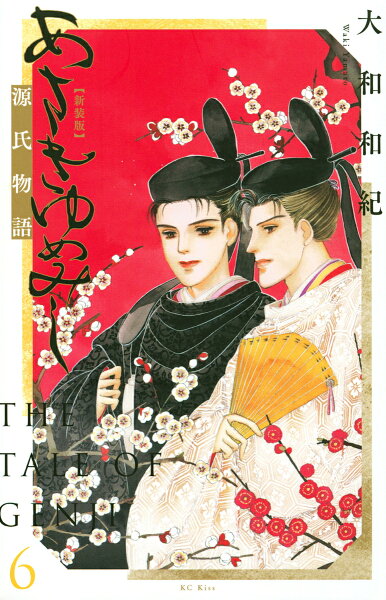
Asaki Yumemishi
A review of Waki Yamato's Asaki Yumemishi — 13 volumes in Kodansha's Mimi from 1979 to 1993. The landmark manga adaptation of The Tale of Genji, available in English from Kodansha USA in 10 digital volumes.

Historical / Drama
Jin
Jin follows Jin Minakata, a modern brain surgeon time-slipped to Bakumatsu Edo where his medical knowledge could save thousands but might rewrite history — a 20-volume Super Jump epic that combined medical drama with serious historical engagement.

Historical / Romance
Crest of the Royal Family
Crest of the Royal Family follows Carol Reed, an American archaeology student transported back to ancient Egypt, where she becomes entangled with the young pharaoh Memphite and the political machinations of the ancient world.
Historical / Shojo
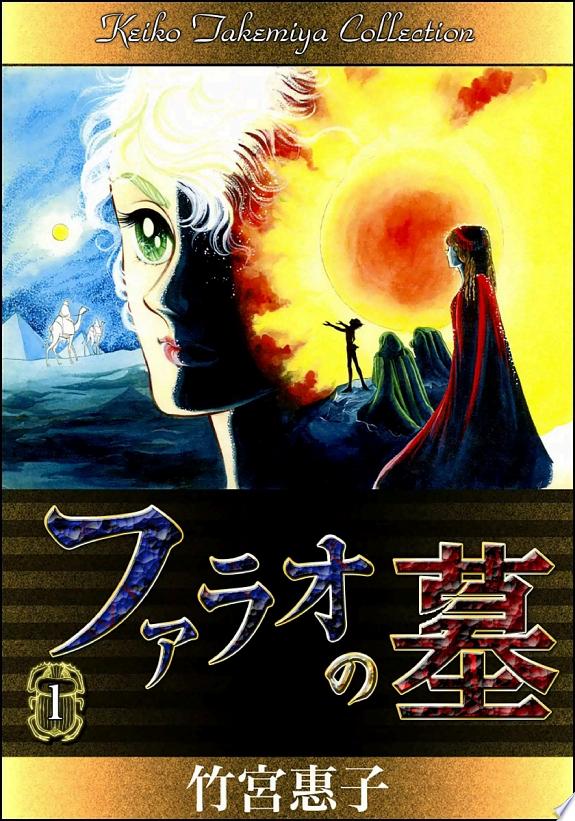
Farao no Haka
Farao no Haka follows two young people in ancient Egypt — a slave boy and the pharaoh's daughter — whose lives intertwine across years of political conflict, social barriers, and a love that the Egyptian court's rigid hierarchy is designed to prevent.
Historical / Comedy
Nobunaga Concerto
Nobunaga Concerto follows Saburo, a modern high school student who travels back in time to the Sengoku period and — because he looks identical to Oda Nobunaga — is asked to take the warlord's place while the real Nobunaga escapes to live as a commoner.
Historical / Drama
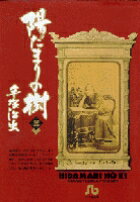
Hidamari no Ki
Hidamari no Ki follows two real figures from the late Edo period — one a samurai, one a doctor — as Japan's encounter with Western medicine and Western power forces both of them to decide what they believe in and what they are willing to lose.
Written by
Yu
Manga Enthusiast from Japan
I grew up in Japan and manga literally saved me during a tough time in elementary school. My English isn't perfect, but my love for manga is real — and I want to share it with you.