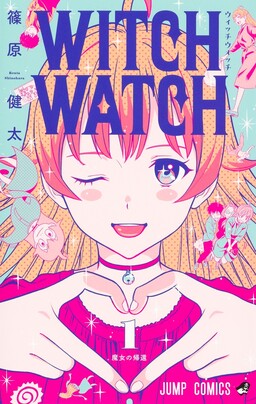
Witch Watch Review: A Witch Who Sees Disaster and Her Childhood Friend Ogre Bodyguard Navigate Modern Ordinary Life
by Kenta Shinohara
Read the first volume. If it doesn't hook you, put it down. It'll hook you.
Buy Witch Watch on Amazon →*Affiliate link — I earn a small commission at no extra cost to you.
Quick Take
- The Shonen Jump comedy that hits the warmth of vintage rom-com with a supernatural premise — Nico and Morihito's dynamic is established with care and the comedy comes from the gap between disaster visions and ordinary life
- From the creator of Sket Dance (Kenta Shinohara), which means the ensemble comedy craft is high and the character dynamics are genuine
- Ongoing; one of Shonen Jump's most consistently warm current series
Who Is This Manga For?
- Readers who want supernatural comedy with genuine romantic warmth at the center
- Fans of Sket Dance who want Shinohara's comedy craft in a new setting
- Anyone who enjoys the disaster-prevention comedy structure done with excellent timing
- Readers who want Shonen Jump romance-comedy with a supernatural element
Content Warnings & Age Rating
Age Rating: T (Teen) Content Warnings: Mild fantasy violence in some supernatural situations; light romantic comedy situations; supernatural elements throughout
Warm and accessible throughout. Nothing intense.
Yu's Rating
| Category | Score |
|---|---|
| Story Depth | ★★★☆☆ |
| Art Style | ★★★★☆ |
| Character Development | ★★★★☆ |
| Accessibility for Non-Japanese Readers | ★★★★★ |
| Reread Value | ★★★★☆ |
Story Overview
Nico is a witch who has regular visions of upcoming disasters — small and large — that she must prevent. Morihito is her childhood friend, an ogre in human form, who has dedicated himself to protecting her.
They live together in modern Japan. Nico has a vision that disaster will strike today. The disaster is invariably something unexpected — not necessarily magical, sometimes completely mundane — and Morihito's protective instincts combined with Nico's disaster knowledge create situations that are consistently funnier than they have any right to be.
The series runs as a chapter-by-chapter comedy with an ongoing romantic undercurrent — the question of Nico and Morihito's relationship, which both of them navigate around with complete lack of efficiency — and a supporting cast of supernatural beings navigating modern Japan.
Characters
Nico — Her relationship to her own disaster visions — sometimes she misreads them, sometimes she misidentifies the disaster — and her specific personality (cheerful, genuinely kind, occasionally oblivious) makes her a delightful lead. She loves Morihito but expresses this primarily through completely failing to acknowledge it.
Morihito — His protective instincts are genuine and his complete dedication to Nico is established without irony. The comedy comes from watching this sincere dedication misfire in modern contexts.
The supporting cast — A tanuki, other supernatural beings navigating modern Japanese life, provide the series' secondary comedic register and the world-building texture.
Art Style
Shinohara's art is clean and the comedic timing through panel layout is excellent — he is an experienced manga artist and it shows in the consistency of the visual comedy. Character expressions are precisely drawn for maximum comedic impact.
Cultural Context
Witch Watch runs in Weekly Shonen Jump and is an unusual series for that magazine — lighter in tone than most Jump series, primarily comedic rather than action-focused, with a clear romantic pairing established from volume 1. It draws on yokai-in-modern-Japan traditions while focusing on domestic comedy rather than supernatural adventure.
What I Love About It
The disaster prevention specificity. Each disaster Nico sees is a small universe — the comedy comes from the distance between how it appears in the vision (ominous) and what it actually is (often mundane in an elaborate way). The chapter where the disaster turns out to be a neighbor's package being delivered to the wrong address, and the chain of events this triggers, is the series at its most perfectly calibrated.
What English-Speaking Fans Say
Western readers describe Witch Watch as the most consistent comfort read in current Shonen Jump — warm, funny, and romantic without being dramatic. Shinohara's craft from Sket Dance is consistently cited as what distinguishes this from similar premises — the character dynamics are more genuine and the comedic timing more precise.
Memorable Scene ⚠️ Spoiler Warning
The chapter where Morihito's specific feelings for Nico become momentarily explicit — under circumstances that immediately subvert the emotional clarity — and his return to protective-friend mode afterward is the series' most charming execution of the romantic undercurrent.
Similar Manga
- Sket Dance — Same author, similar ensemble comedy craft
- Komi Can't Communicate — School comedy with developing romance, similar warmth
- Miss Kobayashi's Dragon Maid — Supernatural in modern Japan, similar domestic warmth
- Takagi-san — Romance-comedy with known pairing, similar timing precision
Reading Order / Where to Start
Volume 1 — Nico and Morihito's living situation and the first disaster prevention establish the format immediately.
Official English Translation Status
Viz Media is actively publishing the ongoing series. Check for the latest volume.
Pros & Cons
Pros
- The disaster prevention comedy structure is consistently inventive
- Shinohara's craft ensures reliable comedic quality
- Warm and accessible
- The romantic undercurrent is handled with more care than typical Jump rom-com
Cons
- Ongoing — the romantic resolution is pending
- The episodic structure means each volume is similar in format
- Less narrative complexity than Sket Dance
Format Comparison
| Format | Notes |
|---|---|
| Individual Volumes | Viz Media; standard |
| Digital | Available |
Where to Buy
Read the first volume. If it doesn't hook you, put it down. It'll hook you.
This post contains affiliate links. If you purchase through these links, I may earn a small commission at no extra cost to you. As an Amazon Associate, I earn from qualifying purchases.
*Affiliate link — I earn a small commission at no extra cost to you.
More Manga You Might Like
Fantasy / Supernatural
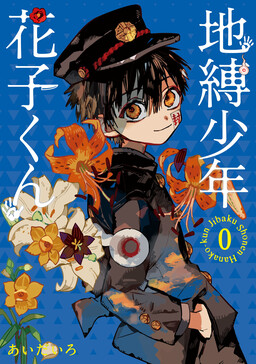
Toilet-Bound Hanako-kun
Yu's review of Toilet-Bound Hanako-kun — Nene Yashiro summons Hanako-kun, the most famous of her school's Seven Wonders, the ghost rumored to grant wishes; when she accidentally becomes bound to him as his helper, she enters a world of supernatural politics, competing spirits, and the mystery of who Hanako actually was.
Fantasy / Slice of Life
Kamakura Story
Kamakura Story follows mystery writer Ichiro Maekawa and his young wife Akiko as they navigate married life in Kamakura — a coastal city where the supernatural is simply part of daily existence, and demons and spirits share the streets with ordinary people.
Fantasy / Comedy
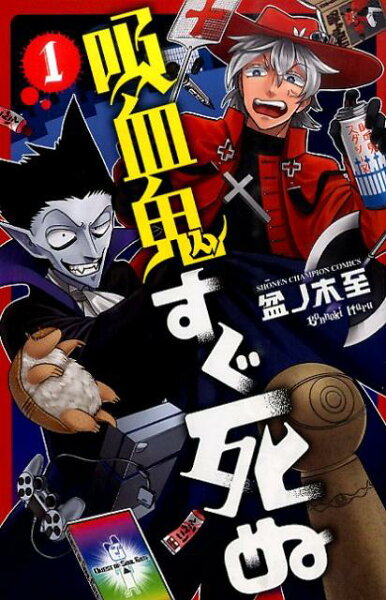
The Vampire Dies in No Time
A review of The Vampire Dies in No Time, the hilarious comedy manga about a legendary vampire hunter and a vampire who turns to ash from literally anything.
Fantasy / Romance
Oh My Goddess!
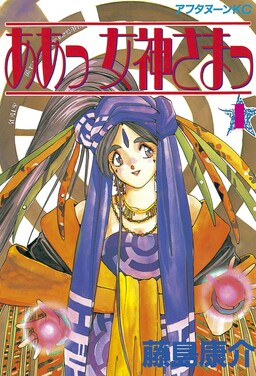
Yu's review of Oh My Goddess! — Keiichi Morisato misdials a goddess helpline and Belldandy appears in his dorm room; she grants him one wish and he wishes for her to stay with him; she does, and the series follows their life together as other goddesses and demons complicate their quiet romance.
Fantasy / Comedy
Kannagi: Crazy Shrine Maidens
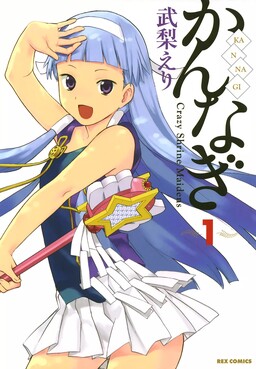
Yu's review of Kannagi — Mikuriya Jin carves a wooden figure from a sacred tree and it comes to life as Nagi, the local land god in the form of a shrine maiden; Nagi has lost much of her power and must rely on Jin while fighting 'impurity' creatures that have appeared in the area.
Fantasy / Mystery
In/Spectre
Yu's review of In/Spectre — Kotoko Iwanaga gave an eye and a leg to the youkai of her village when she was a child; in exchange, she became their Goddess of Wisdom, mediating disputes and solving the problems of the spirit world; she enlists the help of Kurou Sakuragawa, a man with a strange relationship to death, and together they maintain peace between humans and spirits.
Written by
Yu
Manga Enthusiast from Japan
I grew up in Japan and manga literally saved me during a tough time in elementary school. My English isn't perfect, but my love for manga is real — and I want to share it with you.
Disclosure: This post contains affiliate links. As an Amazon Associate, I earn from qualifying purchases at no extra cost to you.