Vampire Knight Review: A Girl Between Two Worlds — Vampires and Humans, Day and Night — and the Secrets That Bind Them
by Matsuri Hino
Read the first volume. If it doesn't hook you, put it down. It'll hook you.
Buy Vampire Knight on Amazon →*Affiliate link — I earn a small commission at no extra cost to you.
Quick Take
- The defining vampire romance manga of the 2000s — gothic atmosphere, complicated love triangle, secrets about Yuki's past that redefine the story
- Beautiful art, genuinely unsettling revelation at the series' midpoint
- 19 volumes complete; a foundational text of vampire shojo romance
Who Is This Manga For?
- Readers who want romantic manga with genuine dark fantasy elements
- Fans of vampire fiction who want the Japanese manga version
- Anyone who enjoys gothic art and atmosphere in shojo manga
- Readers willing to follow a love triangle to its complicated conclusion
Content Warnings & Age Rating
Age Rating: T (Teen) Content Warnings: Vampire blood-drinking depicted (intimate context); dark romance with power imbalances; family trauma and disturbing secrets
The darkness is atmospheric more than graphic, but it is present throughout.
Yu's Rating
| Category | Score |
|---|---|
| Story Depth | ★★★★☆ |
| Art Style | ★★★★★ |
| Character Development | ★★★★☆ |
| Accessibility for Non-Japanese Readers | ★★★★☆ |
| Reread Value | ★★★★☆ |
Story Overview
Cross Academy runs a Day Class and a Night Class. The Day Class is human. The Night Class is vampires. Yuki Cross and Zero Kiryu are the Guardians — students who know the truth and keep it secret from the Day Class.
Yuki has no memory before the age of five, when she was attacked by a vampire and saved by Kaname Kuran, a pureblood vampire who has protected her since. Her feelings for Kaname and her complicated relationship with Zero — a vampire hunter who was bitten and is slowly becoming a vampire — form the series' central triangle.
At the series' midpoint, a revelation about Yuki's origins changes everything the reader has understood about her position in this world.
Characters
Yuki Cross — Her ignorance of her own past is the series' first mystery. After the midpoint revelation, she becomes a different kind of character — one who understands her position and must choose what to do with it.
Kaname Kuran — The pureblood vampire whose relationship with Yuki is more complicated than protection. His long game — the plans he has been running across the entire series — is the narrative that the ending resolves.
Zero Kiryu — The vampire hunter who hates what he is becoming; his arc is the series' most emotionally direct and the relationship that most readers find themselves choosing.
Art Style
Hino's art is among shojo manga's most beautiful. The gothic aesthetic — detailed costuming, dramatic lighting, intricate pattern work in the vampire characters' designs — is exactly right for the material. The Night Class members are drawn with the particular effortless beauty that vampire mythology requires. The blood imagery is used with restraint and impact.
Cultural Context
Vampire Knight appeared in 2004, during the peak of vampire romance as a global genre — preceding Twilight's publication in the same year — and was part of the wave of vampire romance that dominated a decade of entertainment across formats. The Japanese version draws on European gothic vampire mythology but filters it through shojo romance conventions, producing something specific to the manga form.
What I Love About It
The architecture of the school. Cross Academy's physical division — Day Class and Night Class, the separate dormitories, the twilight transition period — is the visual expression of the series' central theme: the distance between two worlds that are not as separate as they appear.
What English-Speaking Fans Say
Western readers who came to Vampire Knight through the 2000s manga boom describe it as one of the most atmospheric shojo manga of its era. The midpoint revelation generates consistent reader response — readers who didn't see it coming describe it as genuinely unsettling. Zero's arc is almost universally preferred over Kaname's as the more emotionally accessible storyline.
Memorable Scene ⚠️ Spoiler Warning
The chapter in which Yuki's true nature is revealed to her, and the way she receives the information — not with shock but with the specific kind of recognition that suggests she already knew, somewhere, and was not ready to know it consciously — is the series' most psychologically sophisticated moment.
Similar Manga
- Black Butler — Gothic atmosphere, supernatural world, dark secrets
- Pandora Hearts — Gothic mystery, hidden past, complicated loyalty
- Natsume's Book of Friends — Human-supernatural relationship, secrets
- xxxHOLiC — Supernatural world coexisting with human world
Reading Order / Where to Start
Volume 1 — the academy setup and central triangle establish in the first chapters.
Official English Translation Status
Viz Media published the complete 19-volume run. All volumes available.
Pros & Cons
Pros
- The art is exceptional — some of shojo's most atmospheric
- The midpoint revelation genuinely recontextualizes the series
- Gothic atmosphere is sustained throughout
- Complete in English
Cons
- The love triangle is a source of frustration for some readers
- Power imbalances in the romantic relationships are significant
- The ending divides readers on its choice
Format Comparison
| Format | Notes |
|---|---|
| Individual Volumes | Viz; standard |
| Omnibus | Available in 3-in-1 omnibus editions |
| Digital | Available |
Where to Buy
Read the first volume. If it doesn't hook you, put it down. It'll hook you.
This post contains affiliate links. If you purchase through these links, I may earn a small commission at no extra cost to you. As an Amazon Associate, I earn from qualifying purchases.
*Affiliate link — I earn a small commission at no extra cost to you.
More Manga You Might Like

Fantasy / Romance
The World Is Still Beautiful
Yu's review of The World Is Still Beautiful — Nike, the youngest princess of the Rain Dukedom, travels to the Sun Kingdom to fulfill her political marriage contract with Livius, the boy-king who conquered the world, and finds something neither of them expected.
Fantasy / Romance
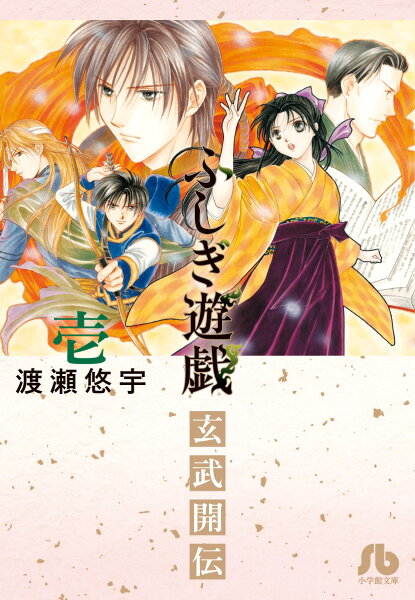
Fushigi Yugi: The Mysterious Play
Yu's review of Fushigi Yugi — a middle school girl is pulled into a historical Chinese fantasy book and becomes the Priestess of Suzaku, destined to gather seven celestial warriors and summon a god.
Fantasy / Romance
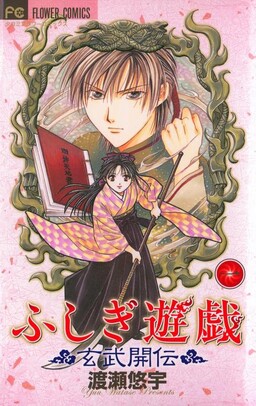
Fushigi Yugi: Genbu Kaiden
Yu's review of Fushigi Yugi: Genbu Kaiden — Takiko Okuda is pulled into The Universe of the Four Gods, the same book that later claimed Miaka in the original series; she becomes the Priestess of Genbu, must gather seven Celestial Warriors, and fulfill her wish — knowing from the book's frame story that this story ends in tragedy.
Fantasy / Romance
Angel Sanctuary
Yu's review of Angel Sanctuary — Setsuna Mudou is a sixteen-year-old in love with his sister Sara; he is also the reincarnation of Alexiel, the most powerful angel who was sealed for rebelling against God; when his angel nature awakens, he is drawn into the war between Heaven and the rebel angels that his original self began.
Fantasy / Romance
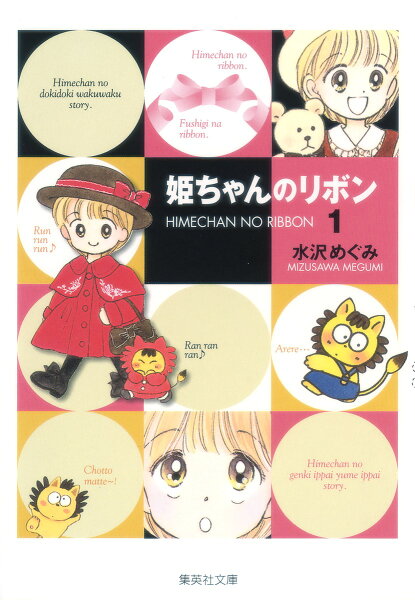
Hime-chan's Ribbon
Hime-chan's Ribbon follows Himeko Nonohara, a tomboy who receives a magic ribbon from her double in the magical kingdom that can transform her into anyone for one hour — a Nakayoshi magical girl series that kept the focus on friendship and romance over spectacle.
Fantasy / Slice of Life
The Star of Cottonland
The Star of Cottonland follows Chi, a small stray kitten who believes with complete sincerity that she is a human child temporarily in cat form — Yumiko Oshima's beloved shojo classic about identity, belonging, and the particular consciousness of cats.
Written by
Yu
Manga Enthusiast from Japan
I grew up in Japan and manga literally saved me during a tough time in elementary school. My English isn't perfect, but my love for manga is real — and I want to share it with you.
Disclosure: This post contains affiliate links. As an Amazon Associate, I earn from qualifying purchases at no extra cost to you.