
The World Is Still Beautiful Review: A Rain-Summoning Princess Marries the Boy Who Conquered the Sun Kingdom
by Dai Shiina
Read the first volume. If it doesn't hook you, put it down. It'll hook you.
Buy The World Is Still Beautiful on Amazon →*Affiliate link — I earn a small commission at no extra cost to you.
Quick Take
- Nike can summon rain by singing and has no interest in political marriages; Livius conquered the world at fourteen and has no interest in people
- A political fantasy romance where the relationship is the engine and the political world around it provides genuine stakes
- 12 volumes, complete, with a satisfying arc for both leads
Who Is This Manga For?
- Fans of shojo fantasy romance where the world-building is functional rather than decorative
- Readers who like political intrigue alongside their romance
- Anyone who wants a female protagonist with genuine agency in a fantasy setting
- Readers who can engage with age-gap romance if both characters have full development
Content Warnings & Age Rating
Age Rating: T (Teen) Content Warnings: Age-gap romance (Nike is older; Livius is younger but the king), arranged marriage premise, mild political violence, themes of isolation and grief
The relationship is consensual and thoughtfully developed. The age dynamics are handled with care.
Yu's Rating
| Category | Score |
|---|---|
| Story Depth | ★★★★☆ |
| Art Style | ★★★★☆ |
| Character Development | ★★★★★ |
| Accessibility for Non-Japanese Readers | ★★★★☆ |
| Reread Value | ★★★☆☆ |
Story Overview
The Rain Dukedom has made a political alliance with the Sun Kingdom: one of the duke's daughters will marry the Sun King. Nike Remercier, the youngest and least politically refined of the four daughters, is sent because she drew the short straw.
Livius Orvinus Ifrikia conquered the world at fourteen. He is short, beautiful, and does not believe anyone approaches him for any reason other than power. He is prepared to find Nike irrelevant.
Nike sings to summon rain — an ability rare and politically valuable. But she is also stubborn, direct, and entirely uninterested in playing the court games that Livius expects. She calls him "Livi." She does not position herself. She just responds to him as a person.
That is the disruption the manga builds from.
Characters
Nike Remercier — The rare shojo heroine who feels genuinely capable: she has a power, she uses it, she has a personality that exists independent of her love interest, and her emotional intelligence shapes her choices consistently.
Livius — A child-king whose entire emotional development was arrested by the loss that drove his conquest; his arc — from manipulation to trust — is the series' core emotional work.
Neil — Livius's aide; his role as the person who has watched the king and understands what Nike is doing to him provides the series' most knowing perspective.
Art Style
Shiina's art has the warmth of traditional shojo — expressive faces, elaborate fantasy costumes, weather effects rendered with care for the magical system. The rain sequences, when Nike sings, are the series' visual set pieces.
Cultural Context
The series draws on the tradition of shojo political fantasy — the foreign bride in a new court who changes it through personal virtue — while giving Nike more active power than the genre usually provides. Her magical ability means she is never purely dependent on court politics; she has leverage of her own.
What I Love About It
The moment Livius realizes he is not managing Nike the way he manages everyone else. She keeps not responding to his tactics, and at some point he stops trying to use tactics and starts just telling her things. That shift — from strategic to honest — is handled without announcement. It just happens, and the manga trusts the reader to notice.
What English-Speaking Fans Say
The series has a devoted Western fanbase among shojo romance readers who appreciate Nike's competence. The comparison made most frequently is to Yona of the Dawn — protagonists with magical ability in political-fantasy settings who grow without losing their fundamental character. The Livius arc is praised consistently as one of shojo's finer examples of the "closed-off king" archetype done correctly.
Memorable Scene ⚠️ Spoiler Warning
The arc where Livius's past — what happened to his mother and what it did to him — is fully revealed, and Nike's response to it, is the moment the series earns everything it set up. Livius believes people leave. Nike's answer to that belief is the manga's most direct emotional statement.
Similar Manga
- Yona of the Dawn — Similar female protagonist, political fantasy, ensemble cast
- Snow White with the Red Hair — Shojo political fantasy, herbal healer
- Fushigi Yugi — Political fantasy romance with higher melodrama
- Bride of the Water God — Similar tone, Korean manhwa
Reading Order / Where to Start
Volume 1 — the political setup and character introduction are both handled in the first volume.
Official English Translation Status
VIZ Media published the complete 12-volume series. All volumes available.
Pros & Cons
Pros
- 12 volumes, complete
- Nike is a genuinely capable shojo heroine
- Livius's arc is earned and consistent
- Political world-building provides real stakes for the relationship
Cons
- Age-gap and arranged marriage premise requires reader comfort
- Some political arcs in the middle volumes slow the central relationship
- The ending, while satisfying, resolves quickly
Format Comparison
| Format | Notes |
|---|---|
| Individual Volumes | VIZ Media; standard |
| Digital | Available |
Where to Buy
Read the first volume. If it doesn't hook you, put it down. It'll hook you.
This post contains affiliate links. If you purchase through these links, I may earn a small commission at no extra cost to you. As an Amazon Associate, I earn from qualifying purchases.
*Affiliate link — I earn a small commission at no extra cost to you.
More Manga You Might Like
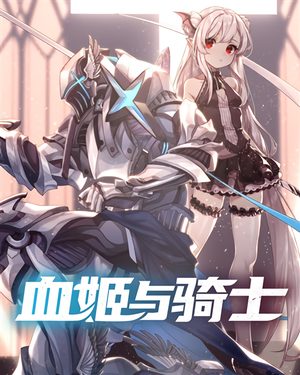
Fantasy / Romance
Vampire Knight
Yu's review of Vampire Knight — Cross Academy has a Day Class of humans and a Night Class of vampires; Yuki Cross, who guards the secret, was rescued from a vampire attack as a child by Kaname Kuran, a pureblood who she has idolized since.
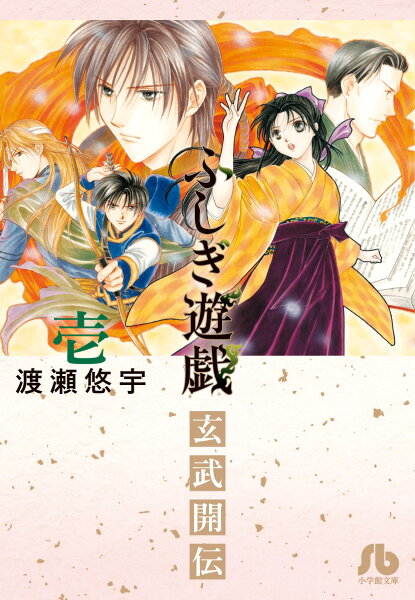
Fantasy / Romance
Fushigi Yugi: The Mysterious Play
Yu's review of Fushigi Yugi — a middle school girl is pulled into a historical Chinese fantasy book and becomes the Priestess of Suzaku, destined to gather seven celestial warriors and summon a god.
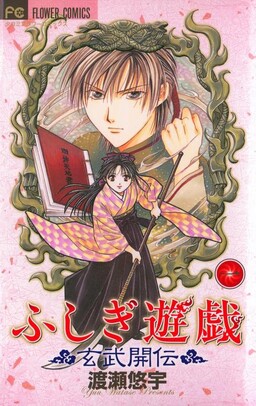
Fantasy / Romance
Fushigi Yugi: Genbu Kaiden
Yu's review of Fushigi Yugi: Genbu Kaiden — Takiko Okuda is pulled into The Universe of the Four Gods, the same book that later claimed Miaka in the original series; she becomes the Priestess of Genbu, must gather seven Celestial Warriors, and fulfill her wish — knowing from the book's frame story that this story ends in tragedy.
Fantasy / Romance
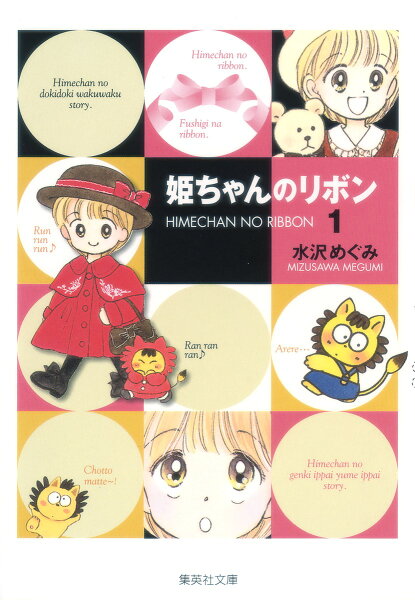
Hime-chan's Ribbon
Hime-chan's Ribbon follows Himeko Nonohara, a tomboy who receives a magic ribbon from her double in the magical kingdom that can transform her into anyone for one hour — a Nakayoshi magical girl series that kept the focus on friendship and romance over spectacle.
Fantasy / Slice of Life
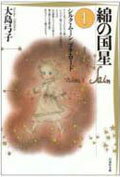
The Star of Cottonland
The Star of Cottonland follows Chi, a small stray kitten who believes with complete sincerity that she is a human child temporarily in cat form — Yumiko Oshima's beloved shojo classic about identity, belonging, and the particular consciousness of cats.
Fantasy / Romance
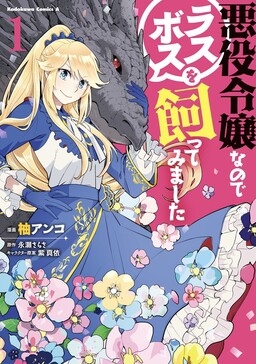
I'm the Villainess, So I'm Taming the Final Boss
Yu's review of I'm the Villainess, So I'm Taming the Final Boss — Aileen reincarnates as the villainess of an otome game; instead of trying to avoid the bad ending passively, she decides the best strategy is to capture the demon lord Claude — the game's final boss — and make him her ally.
Written by
Yu
Manga Enthusiast from Japan
I grew up in Japan and manga literally saved me during a tough time in elementary school. My English isn't perfect, but my love for manga is real — and I want to share it with you.
Disclosure: This post contains affiliate links. As an Amazon Associate, I earn from qualifying purchases at no extra cost to you.