
Shugo Chara! Review: A Cool Girl's True Self Hatches From an Egg — and Turns Out to Be Three Selves at Once
by PEACH-PIT
Read the first volume. If it doesn't hook you, put it down. It'll hook you.
Buy Shugo Chara! on Amazon →*Affiliate link — I earn a small commission at no extra cost to you.
Quick Take
- A magical girl manga about the gap between who you appear to be and who you actually are — and the discovery that both might be you
- The guardian character concept is the series' most original element: three personalities who represent different possible selves
- 12 volumes complete; one of the best Nakayoshi magical girl series of the 2000s
Who Is This Manga For?
- Readers who want magical girl manga with a concept behind the transformation sequences
- Fans of shojo comedy with warmth and genuine character insight
- Young readers or those who enjoy the Nakayoshi sensibility
- Anyone who has ever felt that who they appear to be is not who they are
Content Warnings & Age Rating
Age Rating: All Ages Content Warnings: None
Completely appropriate for all readers. The conflict is magical rather than dark.
Yu's Rating
| Category | Score |
|---|---|
| Story Depth | ★★★☆☆ |
| Art Style | ★★★★☆ |
| Character Development | ★★★★☆ |
| Accessibility for Non-Japanese Readers | ★★★★★ |
| Reread Value | ★★★☆☆ |
Story Overview
Amu Hinamori has a reputation at school for being "cool and spicy" — collected, fashionable, unapproachable. The reputation is completely at odds with who she actually is: a shy, awkward girl who wishes she could be different.
She wakes one morning to find three eggs that represent her "would-be selves" — the selves she could become: Ran (athletic and energetic), Miki (artistic and calm), and Su (domestic and gentle). These guardian characters can speak, advise, and temporarily merge with Amu in transformation sequences that give her specific abilities.
The series follows Amu as she joins the school's "Guardians" — student council with magical duties — to protect "embryo hearts" from being corrupted and search for the X-egg that carries the power everyone is looking for.
Characters
Amu Hinamori — Her arc is about learning that her "cool and spicy" exterior and her actual personality are not in conflict — they are both genuinely her, in different contexts and proportions.
Ikuto Tsukiyomi — The series' romantic foil — older, mysterious, works for the antagonist organization while clearly having his own agenda; the older-boy dynamic is handled with Nakayoshi restraint.
Tadase Hotori — Amu's initial crush; the contrast between Ikuto and Tadase generates the series' romantic tension.
Ran, Miki, and Su — The guardian characters whose specific personalities comment on Amu's situation and provide the series' best comedy.
Art Style
PEACH-PIT's art is comfortable in the Nakayoshi tradition: detailed character costumes (especially the transformation sequences), expressive faces, and the specific blend of cute-character and fashion-forward design that defined the magazine's aesthetic in the 2000s.
Cultural Context
Shugo Chara! engages with Japanese middle school social pressure — the way a reputation, once established, becomes a performance that's hard to escape. Amu's problem is legible to any reader who has ever felt that who others see is not who they are.
What I Love About It
The moment when Amu understands that her three guardian characters represent things she genuinely wants to be — not costumes she's trying on, but actual desires she has been suppressing because they don't fit her reputation. The series earns this revelation slowly enough that it lands.
What English-Speaking Fans Say
Western readers describe Shugo Chara! as the magical girl manga for readers who found Sailor Moon too action-focused and Cardcaptor Sakura too young. The Ikuto arc is the most discussed element — his relationship with Amu, the degree to which she should trust him, and the way it resolves are consistent conversation points.
Memorable Scene ⚠️ Spoiler Warning
The chapter where Amu uses all three transformations in sequence for the first time — and the narration explains why each one is equally her — is the series' clearest statement of its actual theme.
Similar Manga
- Cardcaptor Sakura — Magical girl, school setting, warm tone
- Pretty Cure — Magical girl action, similar target demographic
- Tokyo Mew Mew — Magical girl, similar transformation concept
- Skip Beat! — Hidden true self theme, older-audience execution
Reading Order / Where to Start
Volume 1 — the guardian character eggs hatch in the first chapter.
Official English Translation Status
Del Rey (later Kodansha Comics) published the complete 12-volume run. All volumes available.
Pros & Cons
Pros
- The guardian character concept is genuinely original
- Amu's character arc earns its conclusion
- Warm and funny throughout
- Complete in English
Cons
- The plot resolves the X-egg conflict somewhat abruptly
- Younger-skewing content may not satisfy older shojo readers
- Ikuto's storyline feels rushed toward the end
Format Comparison
| Format | Notes |
|---|---|
| Individual Volumes | Kodansha Comics; standard |
| Digital | Available |
Where to Buy
Read the first volume. If it doesn't hook you, put it down. It'll hook you.
This post contains affiliate links. If you purchase through these links, I may earn a small commission at no extra cost to you. As an Amazon Associate, I earn from qualifying purchases.
*Affiliate link — I earn a small commission at no extra cost to you.
More Manga You Might Like
Fantasy / Magical Girl
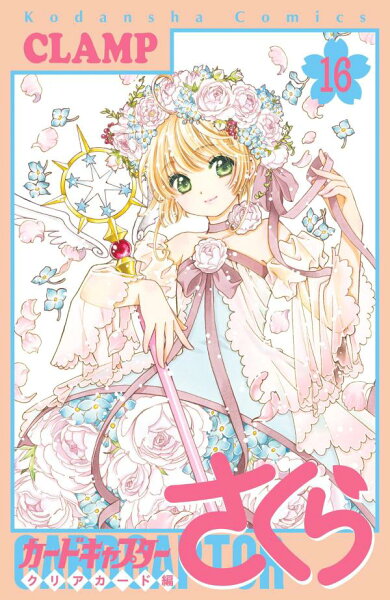
Cardcaptor Sakura
Yu's review of Cardcaptor Sakura — a ten-year-old girl accidentally releases the Clow Cards, has to capture them all, transforms them into her own, and along the way the manga quietly becomes one of CLAMP's warmest, most generous stories about love.
Fantasy / Romance
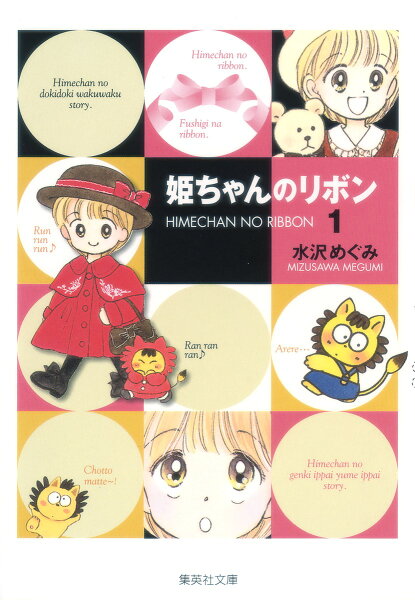
Hime-chan's Ribbon
Hime-chan's Ribbon follows Himeko Nonohara, a tomboy who receives a magic ribbon from her double in the magical kingdom that can transform her into anyone for one hour — a Nakayoshi magical girl series that kept the focus on friendship and romance over spectacle.
Fantasy / Slice of Life
The Star of Cottonland
The Star of Cottonland follows Chi, a small stray kitten who believes with complete sincerity that she is a human child temporarily in cat form — Yumiko Oshima's beloved shojo classic about identity, belonging, and the particular consciousness of cats.
Fantasy / Comedy
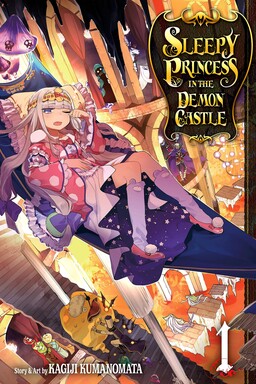
Sleepy Princess in the Demon Castle
Yu's review of Sleepy Princess in the Demon Castle — Princess Syalis has been kidnapped by Demon King Twilight and held in the demon castle while the hero prepares to rescue her; she does not care about rescue; she only wants to get a good night's sleep, and will destroy anything in her way.
Fantasy / Magical Girl
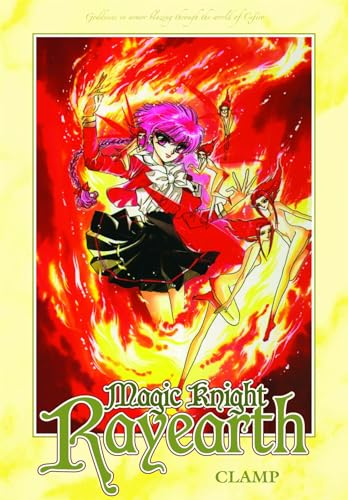
Magic Knight Rayearth
A review of CLAMP's Magic Knight Rayearth — six volumes (Part 1 + Part 2) running in Nakayoshi 1993–1996, a magical-girl manga where the rescue mission is the trap and the real story is what happens after. Complete in English from Dark Horse.
Fantasy / Horror
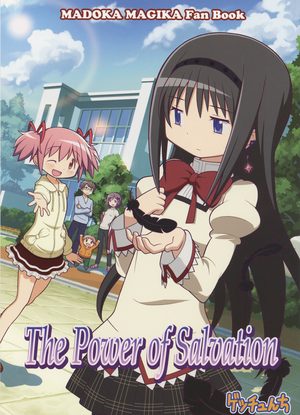
Puella Magi Madoka Magica
Yu's review of Puella Magi Madoka Magica — Madoka Kaname is invited to become a magical girl by a small creature named Kyubey; she hesitates, and across three volumes discovers why hesitating was the only reasonable thing to do.
Written by
Yu
Manga Enthusiast from Japan
I grew up in Japan and manga literally saved me during a tough time in elementary school. My English isn't perfect, but my love for manga is real — and I want to share it with you.
Disclosure: This post contains affiliate links. As an Amazon Associate, I earn from qualifying purchases at no extra cost to you.