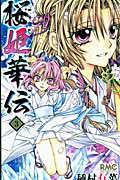
Sakura Hime Kaden Review: A Princess With the Power to Destroy Everything She Loves
by Arina Tanemura
Read the first volume. If it doesn't hook you, put it down. It'll hook you.
Buy Sakura Hime: The Legend of Princess Sakura on Amazon →*Affiliate link — I earn a small commission at no extra cost to you.
She was born to destroy monsters. The price is that she can also destroy the people she loves. Tanemura builds twelve volumes around that cost.
Quick Take
- Arina Tanemura (Full Moon o Sagashite, Kamikaze Kaito Jeanne) at her most ambitious — a historical fantasy with darker stakes than her earlier work
- Princess Sakura's arc is not just romantic growth but the question of whether someone with destructive power can choose love without it becoming loss
- Complete in twelve volumes; Viz's Shojo Beat release is widely available
Who Is This Manga For?
- Fans of Arina Tanemura who want her most developed long-form work
- Shojo readers who enjoy historical fantasy with emotional weight
- People who want a princess protagonist with real combat role rather than passive story function
- Anyone who appreciates romance alongside genuine dramatic stakes
Content Warnings & Age Rating
Age Rating: T (Teen) Content Warnings: Fantasy violence, yokai combat, dark themes, tragedy elements
Darker than Tanemura's earlier work but within shojo convention.
Yu's Rating
| Category | Score |
|---|---|
| Story Depth | ★★★★☆ |
| Art Style | ★★★★★ |
| Character Development | ★★★★☆ |
| Accessibility for Non-Japanese Readers | ★★★★☆ |
| Reread Value | ★★★★☆ |
Story Overview
Princess Sakura lives a sheltered life waiting for a marriage arrangement to a prince she has never met. When she discovers that her intended has been killed by a yokai, she encounters Aoba — a young man bound to her fate — and learns the truth about her heritage: she is a descendant of the moon princess Kaguya-hime, and she carries within her a power to destroy yokai called the Moonbow Arrow.
This power is not clean. Sakura's ability comes with a cost that shapes the series' central dramatic tension — her destructive capacity is tied to her emotions in ways that mean the people she cares about are always at risk from the power that is supposed to protect them.
Tanemura uses the Kaguya-hime legend as a foundation and builds a political and supernatural intrigue around it, tracking Sakura from sheltered princess to someone who has chosen her role and understood its weight. The romance between Sakura and Aoba develops across the twelve volumes with enough complication to feel earned.
Characters
Princess Sakura — Tanemura's most actively capable princess protagonist. Her growth is not from weakness to strength but from ignorance to understanding of what her strength means. The character's emotional honesty is the series' foundation.
Aoba — The male lead whose own history is entangled with Sakura's in ways that take time to emerge. His feelings develop against a background of secrets that Tanemura reveals patiently.
Art Style
Tanemura's art is the visual highlight of the series — intricate, expressive shojo with strong design sense for historical clothing and supernatural elements. The yokai designs are distinctive. Her art had evolved significantly from Kamikaze Kaito Jeanne, and Sakura Hime benefits from that development — the fight sequences are drawn with more clarity and the emotional moments have more visual precision.
Cultural Context
The Kaguya-hime legend (the Tale of the Bamboo Cutter, considered Japan's oldest narrative) is used as the mythological backbone of the series. Kaguya-hime was a moon princess found in bamboo who could not remain in the human world — Tanemura takes this as a starting point and builds a story about what it would mean for a descendant of that princess to choose the human world over the moon.
The Heian period setting, yokai imagery, and court politics draw on Japanese cultural tradition that is visually distinctive even without deep knowledge.
What I Love About It
The scenes where Sakura chooses to use her power fully knowing the cost — not reluctantly, not without grief, but as a deliberate act of will — are Tanemura's best dramatic writing. The character has thought about who she is and made decisions, which makes her different from protagonists who discover power and are swept along by it.
What English-Speaking Fans Say
Considered Tanemura's most mature and developed work. Fans who came from Full Moon or Kamikaze Kaito Jeanne found the darker tone a growth rather than a departure. The romance is widely considered among Tanemura's best. The twelve-volume length allows the story to develop at a pace that rewards patience.
Memorable Scene ⚠️ Spoiler Warning
The revelation of what Aoba's past actually is — and what it means for their present — reframes the romance in the series' middle volumes in a way that shifts what the final arc is asking of both characters.
Similar Manga
| Title | Its Approach | How Sakura Hime Differs |
|---|---|---|
| Full Moon o Sagashite | Same author; emotional shojo with supernatural power | Full Moon is more tragic-romantic; Sakura Hime has more action and political complexity |
| Ceres: Celestial Legend | Female protagonist with destructive supernatural inheritance | Ceres is darker and more explicit; Sakura Hime is more accessible |
| Yurara | Supernatural female protagonist with protective power | Yurara is shorter; Sakura Hime develops its world much more extensively |
Reading Order / Where to Start
Volume 1, straight through.
Official English Translation Status
Viz Media published all 12 volumes in English under the Shojo Beat imprint. Complete and readily available.
Pros & Cons
Pros
- Tanemura's most visually refined and dramatically ambitious work
- The mythological foundation gives the story real thematic grounding
- Sakura is a genuinely active protagonist with real decisions to make
- The romance earns its development over twelve volumes
Cons
- The dark turns may be jarring for readers expecting standard shojo romance
- Some plot threads in the middle volumes are denser than necessary
- The resolution requires accepting some fairy-tale logic
- Best appreciated with knowledge of Kaguya-hime, though not required
Is Sakura Hime: The Legend of Princess Sakura Worth Reading?
For Tanemura fans and shojo fantasy readers — yes. This is her best long-form work and the romance earns every volume.
Format Comparison
| Format | Pros | Cons |
|---|---|---|
| Physical | Complete 12-volume Viz set | — |
| Digital | Readily available | — |
| Omnibus | No omnibus available | — |
Where to Buy
Read the first volume. If it doesn't hook you, put it down. It'll hook you.
This post contains affiliate links. If you purchase through these links, I may earn a small commission at no extra cost to you. As an Amazon Associate, I earn from qualifying purchases.
*Affiliate link — I earn a small commission at no extra cost to you.
More Manga You Might Like
Romance / Fantasy
Fushigi Yugi
A review of Fushigi Yugi, the classic isekai romance manga about a girl transported to ancient China who becomes the Priestess of Suzaku.
Fantasy / Supernatural
Mao
Yu's review of Mao — middle school girl Nanoka Kiba can slip between present-day Tokyo and Taisho-era Japan, where she encounters Mao, an onmyouji cursed with immortality who is searching for the source of his curse; together they investigate supernatural cases while pursuing the connection that links their lives across a century.
Fantasy / Romance
Fushigi Yugi: The Mysterious Play
Yu's review of Fushigi Yugi — a middle school girl is pulled into a historical Chinese fantasy book and becomes the Priestess of Suzaku, destined to gather seven celestial warriors and summon a god.
Fantasy / Romance
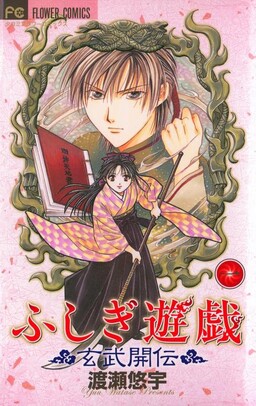
Fushigi Yugi: Genbu Kaiden
Yu's review of Fushigi Yugi: Genbu Kaiden — Takiko Okuda is pulled into The Universe of the Four Gods, the same book that later claimed Miaka in the original series; she becomes the Priestess of Genbu, must gather seven Celestial Warriors, and fulfill her wish — knowing from the book's frame story that this story ends in tragedy.
Fantasy / Romance
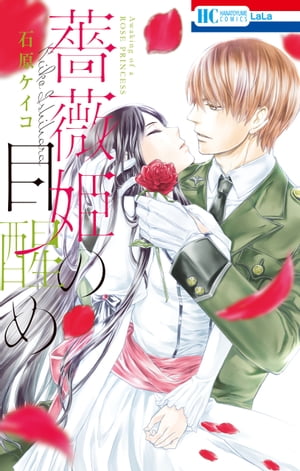
Kiss of the Rose Princess
A review of Kiss of the Rose Princess — Aya Shouoto's nine-volume shojo fantasy about Anise Yamamoto, who receives four magical knight cards and must kiss each knight to summon their power to fight supernatural threats.
Fantasy / Romance
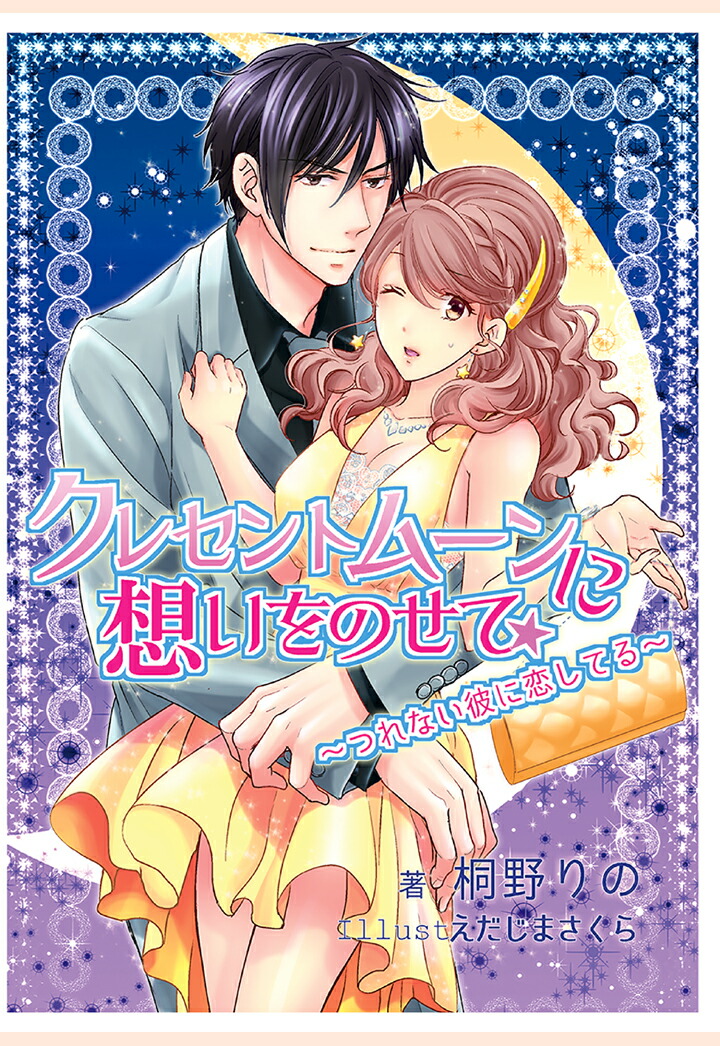
Crescent Moon
A review of Crescent Moon (Mikan no Tsuki) — Haruko Iida and Red Company's six-volume shojo fantasy about Mahiru, a girl who can only grant other people luck, and the Moonlight Bandits, a dying race of supernatural beings she's bound to by an old bloodline.
Written by
Yu
Manga Enthusiast from Japan
I grew up in Japan and manga literally saved me during a tough time in elementary school. My English isn't perfect, but my love for manga is real — and I want to share it with you.
Disclosure: This post contains affiliate links. As an Amazon Associate, I earn from qualifying purchases at no extra cost to you.