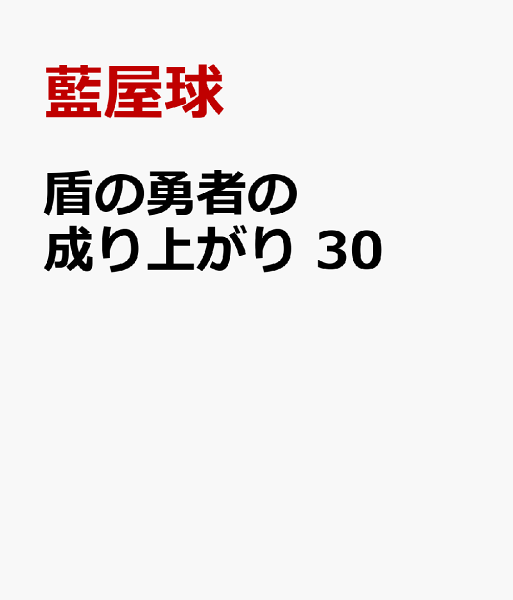
The Rising of the Shield Hero Review: When the Hero Is the Villain's Target
by Aneko Yusagi (story) / Seira Minami (art)
Read the first volume. If it doesn't hook you, put it down. It'll hook you.
Buy The Rising of the Shield Hero on Amazon →*Affiliate link — I earn a small commission at no extra cost to you.
Quick Take
- The isekai where the protagonist is betrayed immediately and must rebuild with nothing
- The opening arc's premise — false accusation, social isolation, starting from zero — is the series' most compelling material
- Later arcs are more standard isekai; the first arc is genuinely affecting
Who Is This Manga For?
Rising of the Shield Hero is for you if:
- You want an isekai underdog story where the protagonist's isolation is the central challenge
- You find the "hero who becomes jaded and has to learn to trust again" arc compelling
- You want a complete series with forward momentum
- You can engage honestly with the content warnings
Content Warnings & Age Rating
Age Rating: T (Teen) Content Warnings: The protagonist is falsely accused of sexual assault at the series' opening; a demi-human girl is purchased as a slave by the protagonist (this is framed as protection, but the framing is complicated); action violence; themes of societal prejudice against demi-humans
These content warnings matter. The series engages with difficult scenarios that require active reader engagement.
Yu's Rating
| Category | Score |
|---|---|
| Story Depth | ★★★☆☆ |
| Art Style | ★★★☆☆ |
| Character Development | ★★★★☆ |
| Accessibility for Non-Japanese Readers | ★★★★☆ |
| Reread Value | ★★★☆☆ |
Story Overview
Naofumi Iwatani is summoned to another world as one of four Cardinal Heroes — each representing a legendary weapon. He gets the Shield. The other heroes get sword, spear, and bow.
The Shield cannot attack. The Shield hero is already at a disadvantage.
Then the only companion assigned to him steals everything he has and falsely accuses him of assault. The king believes her. Everyone believes her. Naofumi is stripped of resources and reputation and left to survive alone.
He purchases Raphtalia — a sick, traumatized demi-human slave — not from nobility but because it is the only way he can afford a companion. He treats her with genuine care. She becomes the series' moral center.
This is the opening arc. What follows is Naofumi's slow rebuilding — not just of power and resources, but of his willingness to trust people at all.
Characters
Naofumi Iwatani — The Shield Hero's arc is fundamentally about how betrayal changes a person and whether that change can be undone. His bitterness is justified. His gradual reopening — driven primarily by Raphtalia's influence — is the series' emotional core.
Raphtalia — The demi-human who grows from a traumatized child into one of the series' most capable characters. Her loyalty to Naofumi is genuine and her own character development across the series is substantial.
Filo — The filolial (large bird creature) who joins the party and adds comedy and warmth to what is otherwise a fairly dark series.
Art Style
Minami's art is clean and serviceable, with character designs that effectively differentiate the large cast. The action sequences are adequate. The art does not distinguish itself but it does not impede the story.
Cultural Context
Chosen Hero expectations — The premise of multiple heroes called simultaneously, each with a specific weapon, is a direct JRPG reference. The Shield being considered inferior reflects real cultural bias — support roles in games and in society are undervalued. The series is partly about rehabilitating the defensive role.
False accusation anxiety — The opening false accusation scenario resonates with specific anxieties in Japanese society about reputation destruction. The series' framing of this has been criticized in some Western communities; it is worth being aware of.
Demi-human discrimination — The series uses demi-human prejudice as a proxy for real-world ethnic discrimination, with varying degrees of thoughtfulness.
What I Love About It
The moment when Raphtalia — who has been growing throughout the series — faces someone who knew her when she was broken and frightened, and they do not recognize the person she has become.
She has become something entirely different from what she was. The growth is complete enough that she is genuinely unrecognizable.
I love that. I love stories about people who become who they needed to be rather than who they were supposed to be.
What English-Speaking Fans Say
Shield Hero has a large Western fanbase that is also familiar with the series' controversy. The opening arc's content warnings generate significant debate. Most readers who continue past the first volume find the series engaging, particularly for Raphtalia.
Common praise: Raphtalia's arc, the underdog premise, the satisfying revenge elements.
Common criticism: The content warnings and how they're handled; later arcs being less compelling than the opening.
Memorable Scene ⚠️ Spoiler Warning
Naofumi's anger at the wave's aftermath.
In a moment of genuine frustration — after fighting a Wave (the apocalyptic events the heroes are summoned to address) while everyone who was supposed to help him refused — Naofumi loses control of his rage in a way that reveals what the betrayal actually cost him.
It is the series' most honest moment about what isolation and injustice do to a person.
Similar Manga
If you liked The Rising of the Shield Hero, try:
- Slime Isekai — More optimistic isekai with similar "outsider builds something" structure
- Re:Zero — Darker isekai where the protagonist's isolation is similarly central
- Overlord — Similar anti-hero-adjacent protagonist in isekai
- Goblin Slayer — Similar darker fantasy tone with similar content considerations
Reading Order / Where to Start
Start from Volume 1. The opening arc is essential.
Official English Translation Status
Status: Complete English Volumes: 25 (all volumes available) Translator: One Peace Books Translation Quality: Good
Pros & Cons
Pros
- The underdog premise is genuinely compelling
- Raphtalia's arc is among the best character growth in isekai
- The revenge payoff, when it comes, is satisfying
- Complete at 25 volumes
Cons
- The content warnings are real and significant
- Later arcs are substantially weaker than the opening
- Art is serviceable rather than distinctive
Format Comparison
| Format | Volumes | Price per vol. (approx.) | Best for |
|---|---|---|---|
| Paperback (individual) | 25 vols | ~$10–12 | Collecting |
| Kindle | 25 vols | ~$7–9 | Quick read |
Where to Buy
Read the first volume. If it doesn't hook you, put it down. It'll hook you.
This post contains affiliate links. If you purchase through these links, I may earn a small commission at no extra cost to you. As an Amazon Associate, I earn from qualifying purchases.
*Affiliate link — I earn a small commission at no extra cost to you.
More Manga You Might Like
Fantasy / Action
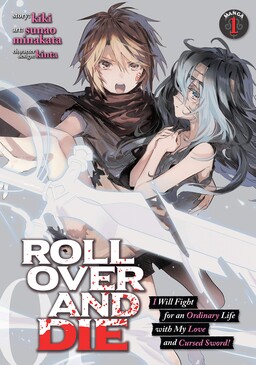
Roll Over and Die: I Will Fight for an Ordinary Life with My Love and Cursed Sword!
Yu's review of Roll Over and Die — Flum Apricot is the only member of her party without a special ability; her party abandons her to die in a dungeon; she survives through a cursed sword that works by inflicting permanent injuries on her and by using the Reversal ability that turns her weakness into something else entirely.
Fantasy / Action
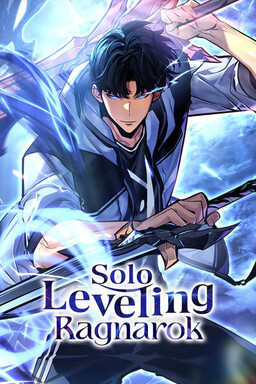
Solo Leveling
Yu's review of Solo Leveling — Sung Jinwoo is the weakest hunter in a world where gates to dungeons have opened and hunters fight the monsters within; after a near-fatal mission, he receives a mysterious system that allows only him to grow stronger — endlessly, without limit.
Fantasy / Historical
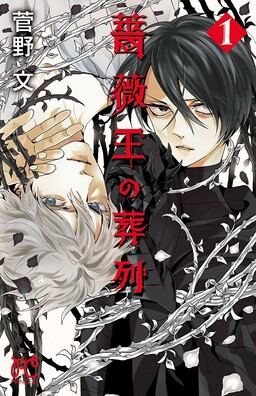
Requiem of the Rose King
Yu's review of Requiem of the Rose King — a dark manga adaptation of Shakespeare's Henry VI and Richard III set during the Wars of the Roses, reimagining Richard of Gloucester as intersex; ambitious historical dark fantasy that takes the psychological portrait of one of literature's great villains and asks what made him.
Fantasy / Mystery
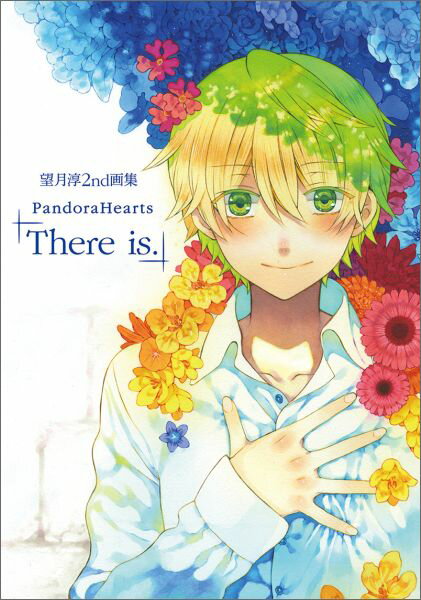
Pandora Hearts
Yu's review of Pandora Hearts — a nobleman's son is cast into a prison dimension called the Abyss on his fifteenth birthday, returns with a powerful chain partner, and unravels a conspiracy that rewrote the history of his world.

Fantasy / Action
Lucifer and the Biscuit Hammer
Yu's review of Lucifer and the Biscuit Hammer — Yuuhi Amamiya, a university student who doesn't care about much of anything, is told by a lizard that he is a 'Beast Knight' destined to save the world; he's more interested in the plan of Princess Samidare to save the world herself — so she can destroy it after.
Fantasy / Comedy
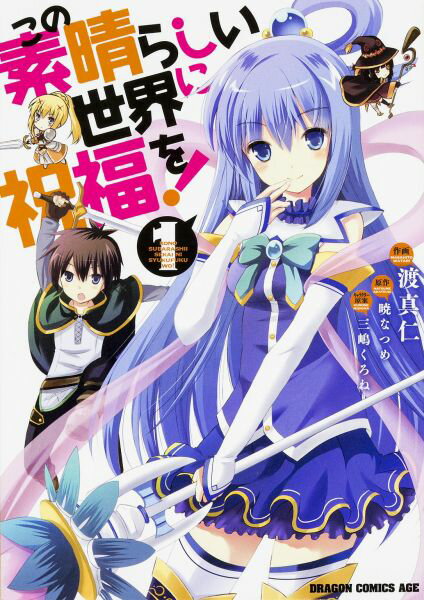
KonoSuba: God's Blessing on This Wonderful World!
Yu's review of KonoSuba — the isekai parody where every party member is disastrously incompetent at something crucial. A useless goddess, an explosion-obsessed mage, a masochistic crusader, and a pathetic protagonist who somehow keeps surviving. The funniest isekai ever made.
Written by
Yu
Manga Enthusiast from Japan
I grew up in Japan and manga literally saved me during a tough time in elementary school. My English isn't perfect, but my love for manga is real — and I want to share it with you.
Disclosure: This post contains affiliate links. As an Amazon Associate, I earn from qualifying purchases at no extra cost to you.