
Record of Ragnarok Review: Gods vs. Humanity in a Battle to Decide the Fate of Mankind
by Shinya Umemura, Takumi Fukui, Ajichika
Read the first volume. If it doesn't hook you, put it down. It'll hook you.
Buy Record of Ragnarok on Amazon →*Affiliate link — I earn a small commission at no extra cost to you.
Quick Take
- The gods of every religion vote to wipe out humanity; a Valkyrie proposes a tournament — 13 legendary humans vs. 13 gods — with mankind's survival as the prize
- Mythology fan service done right: Thor, Poseidon, Zeus, Buddha vs. Lu Bu, Nikola Tesla, Kojiro Sasaki, Adam
- The fights are absurdly escalating and genuinely inventive; the character moments hit harder than expected
Who Is This Manga For?
- Readers who want mythology battle fantasy with maximum spectacle
- Fans of tournament manga where each fight is its own contained arc
- Anyone who likes seeing historical and mythological figures reimagined as fighters
- Readers who can handle high-stakes matches where both sides can lose
Content Warnings & Age Rating
Age Rating: M (Mature) Content Warnings: Intense violence, blood, death of major characters on both sides — both humans and gods die
The fights are brutal. The deaths are final and meaningful.
Yu's Rating
| Category | Score |
|---|---|
| Story Depth | ★★★☆☆ |
| Art Style | ★★★★★ |
| Character Development | ★★★★☆ |
| Accessibility for Non-Japanese Readers | ★★★★☆ |
| Reread Value | ★★★☆☆ |
Story Overview
The gods hold their council every thousand years to decide humanity's fate. This time, after observing seven million years of human history, the vote is unanimous: humanity must be destroyed.
Brunhilde, a Valkyrie, proposes an alternative — Ragnarok. Thirteen fights between gods and the greatest humans who ever lived. If humanity wins seven, they survive. If the gods win seven, humanity is erased.
The humans are chosen from across history: Lu Bu, Adam, Sasaki Kojiro, Raiden Tameemon, Nikola Tesla, Leonidas — each matched against a god from the world's pantheons. Each fight is the centerpiece of its own arc.
Characters
Brunhilde — The strategist behind the human side; cold, brilliant, and revealed to have deeper motivations than pure calculus.
Göll — Brunhilde's younger sister and the emotional center of the human side; her hope is what makes the losses hit.
Kojiro Sasaki — The "loser samurai" who never won a recorded match in history; his fight is the manga's best character arc.
Zeus — The chairman of the gods; his portrayal as both genuinely powerful and secretly invested in the outcome is excellent.
Art Style
Ajichika's art is maximalist spectacle — the character designs for both gods and historical humans are elaborate and immediately iconic, the fight sequences escalate in visual ambition each chapter, and the panel composition during the turning points of each match is genuinely dramatic. The gods' divine forms are appropriately otherworldly.
Cultural Context
The manga draws on mythology from every tradition — Greek, Norse, Hindu, Chinese, Japanese — and reimagines figures from each. The historical human selections mix real warriors, thinkers, and rulers, requiring readers to know who these people were to fully appreciate the match-ups.
What I Love About It
The Kojiro Sasaki fight. History records Sasaki as Miyamoto Musashi's famous loser — the man who showed up late to a duel and died. Record of Ragnarok reframes every loss in his life as refinement, and his match becomes about what a person who only ever lost can still become. It made me think differently about the idea of failure.
What English-Speaking Fans Say
Western readers were introduced to the series through the Netflix anime adaptation, which drove significant manga readership. The mythology casting choices generate constant fan discussion — which figures are "correct," which are surprising, which cultural portrayals are controversial. The Buddha arc in particular divided the community significantly.
Memorable Scene ⚠️ Spoiler Warning
The moment in the Kojiro vs. Poseidon fight where Kojiro's secret is revealed — what his style actually consists of and how many years of observation went into it — recontextualizes the entire match and makes his victory feel earned in the most satisfying possible way.
Similar Manga
- Shuumatsu no Harem — High-concept premise with high stakes
- Kengan Ashura — Tournament fighting with detailed character arcs
- Baki — Combat spectacle with historical/mythological fighters
- Vinland Saga — Historical figures, weight of violence
Reading Order / Where to Start
Volume 1 — the premise is established immediately and each tournament match flows directly into the next.
Official English Translation Status
VIZ Media is publishing the ongoing series. Multiple volumes available simultaneously.
Pros & Cons
Pros
- Mythology casting is endlessly inventive and surprising
- Each fight is a self-contained character study
- The art escalates with the stakes
- The human side's losses hit as hard as their wins
Cons
- Story depth is limited to fight arcs — the world-building is minimal
- Some mythology portrayals are controversial in their source cultures
- Ongoing with no end in sight — significant investment required
Format Comparison
| Format | Notes |
|---|---|
| Individual Volumes | VIZ release; standard |
| Digital | Available; fight sequences read well on screen |
Where to Buy
Read the first volume. If it doesn't hook you, put it down. It'll hook you.
This post contains affiliate links. If you purchase through these links, I may earn a small commission at no extra cost to you. As an Amazon Associate, I earn from qualifying purchases.
*Affiliate link — I earn a small commission at no extra cost to you.
More Manga You Might Like
Fantasy / Action
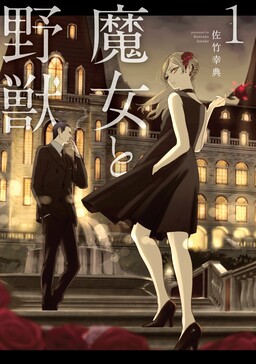
The Witch and the Beast
Yu's review of The Witch and the Beast — Guideau is a woman cursed into the body of a beast; she travels with Phanora, a man who carries a coffin, hunting the witch responsible; witches in this world are immensely powerful and largely above human law; the series follows their encounters with witches and the magic system that makes each encounter unique.
Fantasy / Action
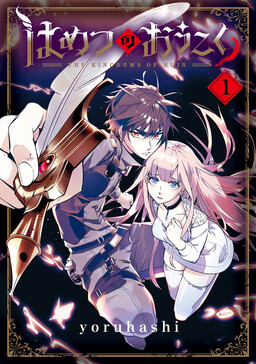
The Kingdoms of Ruin
Yu's review of The Kingdoms of Ruin — after technology advanced enough to make magic unnecessary, humanity systematically exterminated all witches; the sole surviving human apprentice of the greatest witch witnesses her death and swears revenge against a civilization that killed the person who gave him everything; a dark fantasy revenge narrative with genuine emotional stakes.
Fantasy / Action
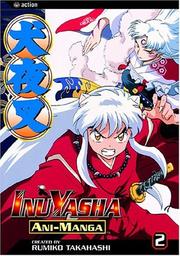
X/1999
Yu's review of X/1999 — Kamui Shirô returns to Tokyo after years away, destined to decide the fate of the Earth; two groups of seven — the Dragons of Heaven who would save humanity and the Dragons of Earth who would let the planet destroy it — await his choice; the series is an apocalyptic tragedy where the question is not whether loss will happen but who will carry it.
Fantasy / Action
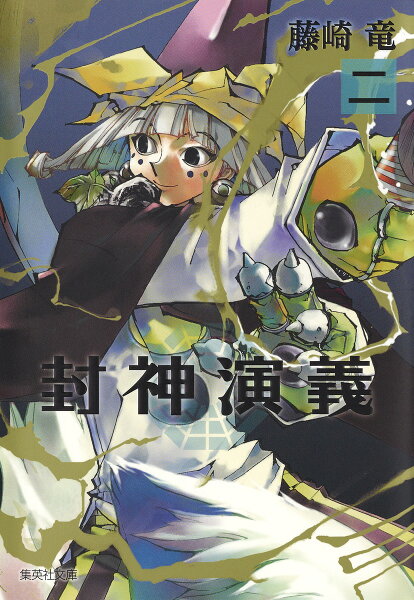
Soul Hunter
Based on the Chinese classic 'Investiture of the Gods,' Soul Hunter follows Taikoubou — a lazy, brilliant immortal sent to overthrow a corrupt dynasty — and the impossible task he's been given by the heavens themselves.
Fantasy / Isekai
Dead Mount Death Play
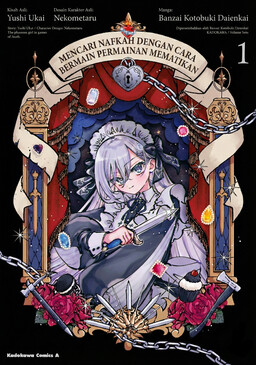
Yu's review of Dead Mount Death Play — Ryohgo Narita and Shinta Fujimoto's reverse-isekai thriller. The Corpse God, a feared necromancer, is slain by the hero Shagrua and reincarnates into modern Shinjuku in the body of a murdered teenager, Polka Shinoyama. Wanting only a peaceful life, he is pulled into Tokyo's criminal underworld.
Fantasy / Romance
The Ancient Magus' Bride
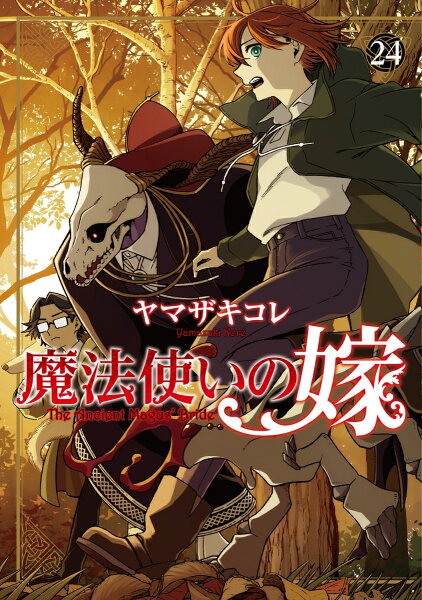
Yu's review of The Ancient Magus' Bride — a manga about a girl who sells herself at auction, is purchased by a skull-faced sorcerer, and slowly learns what it means to have a home. One of fantasy manga's most carefully crafted ongoing series.
Written by
Yu
Manga Enthusiast from Japan
I grew up in Japan and manga literally saved me during a tough time in elementary school. My English isn't perfect, but my love for manga is real — and I want to share it with you.
Disclosure: This post contains affiliate links. As an Amazon Associate, I earn from qualifying purchases at no extra cost to you.