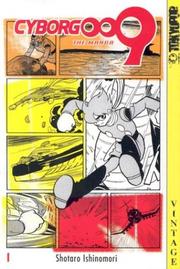
Pita-Ten Review: The Angel Next Door Is Trying Very Hard to Be Good. It Keeps Going Wrong.
by Koge-Donbo
Read the first volume. If it doesn't hook you, put it down. It'll hook you.
Buy Pita-Ten on Amazon →*Affiliate link — I earn a small commission at no extra cost to you.
She is an angel who specializes in making things worse while trying to make them better. He is a boy who has learned not to want anything. They are neighbors now.
Quick Take
- An eight-volume fantasy manga about an enthusiastic but accident-prone angel and the reserved boy she has decided to help, by Koge-Donbo (Di Gi Charat)
- Lighter than its premise — the comedy foregrounds Misha's disasters while the sadness underneath accumulates quietly
- For readers who want something gentle with a surprising emotional undercurrent
Who Is This Manga For?
- Fans of Koge-Donbo's art style and character design
- Readers who want a light supernatural comedy with genuine warmth
- People who enjoy the "supernatural being affects ordinary life" premise
- Anyone who wants something All Ages with unexpected emotional depth
Content Warnings & Age Rating
Age Rating: All Ages Content Warnings: Supernatural elements, some sadness in later volumes
Appropriate for all ages; some emotional content in the final arc.
Yu's Rating
| Category | Score |
|---|---|
| Story Depth | ★★★☆☆ |
| Art Style | ★★★★☆ |
| Character Development | ★★★★☆ |
| Accessibility for Non-Japanese Readers | ★★★★☆ |
| Reread Value | ★★★☆☆ |
Story Overview
Kotaro Higuchi is a sixth-grade boy who lives alone and manages his life with quiet self-sufficiency — his parents are gone and he has organized his existence around not needing anything from anyone. Then Misha moves in next door.
Misha is an angel-in-training whose assignment is to bring happiness to the people around her. Her method involves overwhelming enthusiasm, minimal practical competence, and an absolutely genuine desire to help that manifests as spectacular disaster about half the time. She attaches herself to Kotaro as her primary project.
The series has two registers: the comedy of Misha's attempts and their consequences, and the quieter material about Kotaro, whose self-containment has a history he doesn't discuss. Koge-Donbo develops both across eight volumes, with the comedy becoming gradually more meaningful as the emotional stakes of Kotaro's life become clearer.
Characters
Misha — Chaotic, warm, and entirely sincere. Her inability to accomplish simple tasks correctly is balanced by her absolute inability to give up or give in to discouragement. She is the series' energy.
Kotaro — The series' emotional center. His reserve is not coldness — it's protection, and watching him gradually allow it to lower is the eight volumes' real arc.
Art Style
Koge-Donbo's art is distinctive and immediately recognizable — large expressive eyes, round appealing character designs, and very clean line work. The character designs are charming and the supernatural elements (Misha's wings, the celestial visual language) are drawn with the same appealing simplicity. The art is the series' most obvious selling point and delivers throughout.
Cultural Context
Pita-Ten was serialized in Dengeki Daioh, a seinen magazine known for fantasy and game-adjacent manga — Koge-Donbo's association with Di Gi Charat and the broader late-1990s/early-2000s cute character aesthetic comes from this publishing context. Despite the seinen origin, the series reads as broadly accessible, aimed at general manga readers.
The angel-comes-to-Earth premise has a long history in manga and anime; Koge-Donbo's variation emphasizes the comedy of divine incompetence over the more serious versions of the premise.
What I Love About It
The late-series chapters where Kotaro's history is fully understood and the series has to decide what to do with it — and Misha's response, which is exactly and completely consistent with who she has been for the entire series — is the payoff that makes the earlier comedy feel retrospectively richer.
What English-Speaking Fans Say
Appreciated for Koge-Donbo's art and Misha's character. The emotional undercurrent in later volumes is the most frequently noted surprise — readers expecting pure comedy find more than they anticipated. Considered a good gateway to Koge-Donbo's work.
Memorable Scene ⚠️ Spoiler Warning
The moment where Kotaro tells Misha what he actually wants — having spent most of the series insisting he doesn't want anything — is the series' emotional center, and the response from someone who has been trying to give him what she thought he needed is genuinely moving.
Similar Manga
| Title | Its Approach | How Pita-Ten Differs |
|---|---|---|
| Angel Tales | Supernatural beings helping a quiet boy | Angel Tales is more wish-fulfillment; Pita-Ten has more genuine emotional development |
| Ah! My Goddess | Goddess-as-companion premise | Ah! My Goddess is longer and more romance-forward; Pita-Ten is more comedic and younger-skewing |
| Di Gi Charat | Same artist; cute character comedy | Di Gi Charat is pure comedy; Pita-Ten has more emotional depth |
Reading Order / Where to Start
Volume 1, straight through.
Official English Translation Status
Tokyopop published all 8 volumes in English. Availability varies due to Tokyopop's closure.
Pros & Cons
Pros
- Koge-Donbo's art is distinctive and consistently appealing
- The comedy and emotional undercurrent balance better than expected
- Misha is a genuinely winning character
- Complete in eight volumes with satisfying resolution
Cons
- The comedy-first approach may mislead readers about the emotional depth
- Tokyopop closure affects availability
- The pacing in middle volumes relies heavily on the comedy register
- Readers who find the cute character aesthetic unappealing won't be converted
Is Pita-Ten Worth Reading?
For Koge-Donbo fans and readers who want gentle fantasy with unexpected emotional depth — yes. It's more than it looks.
Format Comparison
| Format | Pros | Cons |
|---|---|---|
| Physical | Complete 8-volume set | Tokyopop closure; availability varies |
| Digital | More accessible | Limited platforms |
| Omnibus | No omnibus | — |
Where to Buy
Read the first volume. If it doesn't hook you, put it down. It'll hook you.
This post contains affiliate links. If you purchase through these links, I may earn a small commission at no extra cost to you. As an Amazon Associate, I earn from qualifying purchases.
*Affiliate link — I earn a small commission at no extra cost to you.
More Manga You Might Like
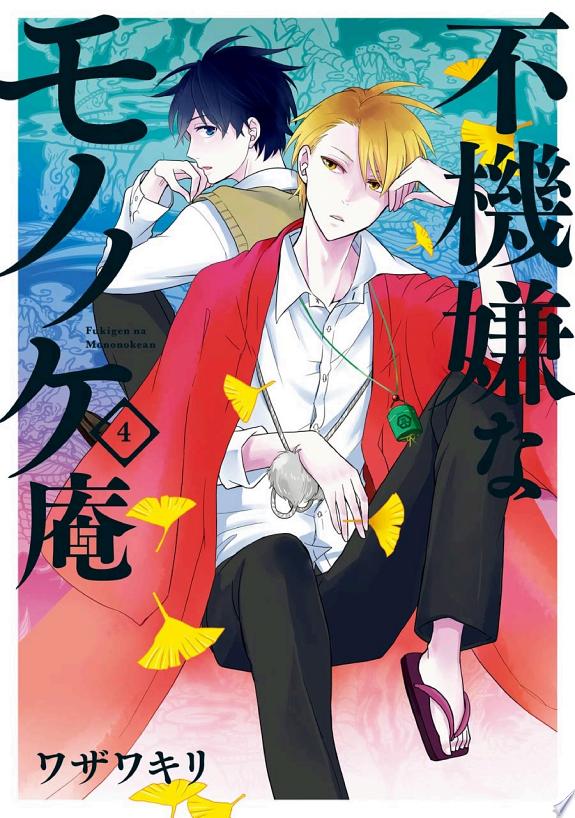
Fantasy
The Morose Mononokean
A review of The Morose Mononokean — the supernatural manga about a high schooler who gets a job helping yokai pass on to the Underworld, run by the world's most reluctant employer.
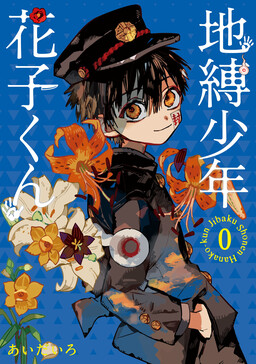
Fantasy / Supernatural
Toilet-Bound Hanako-kun
Yu's review of Toilet-Bound Hanako-kun — Nene Yashiro summons Hanako-kun, the most famous of her school's Seven Wonders, the ghost rumored to grant wishes; when she accidentally becomes bound to him as his helper, she enters a world of supernatural politics, competing spirits, and the mystery of who Hanako actually was.
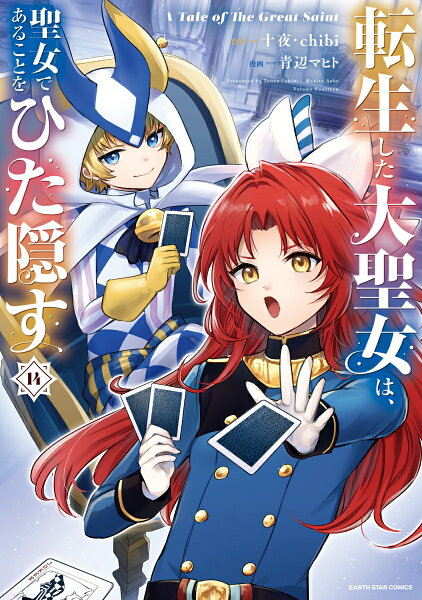
Fantasy / Comedy
Saint Young Men
Yu's review of Saint Young Men — Jesus Christ and Gautama Buddha share an apartment in Tokyo's Tachikawa neighborhood while on vacation, trying to experience ordinary human life while accidentally performing miracles.
Fantasy / Slice of Life
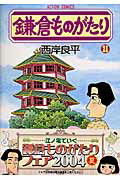
Kamakura Story
Kamakura Story follows mystery writer Ichiro Maekawa and his young wife Akiko as they navigate married life in Kamakura — a coastal city where the supernatural is simply part of daily existence, and demons and spirits share the streets with ordinary people.
Fantasy / Comedy
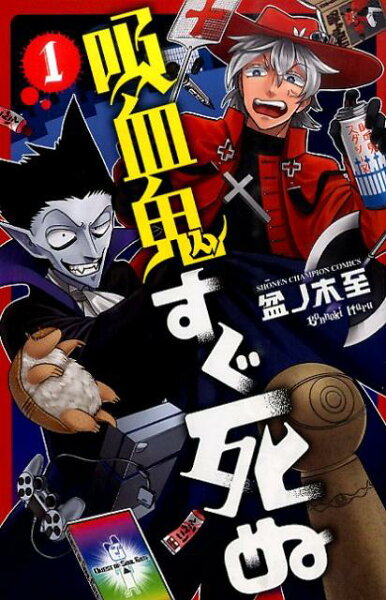
The Vampire Dies in No Time
A review of The Vampire Dies in No Time, the hilarious comedy manga about a legendary vampire hunter and a vampire who turns to ash from literally anything.
Fantasy / Comedy
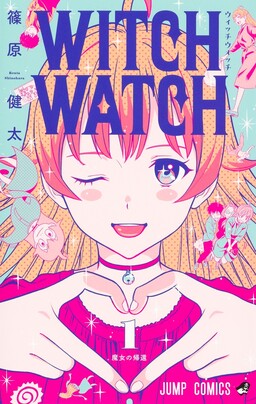
Witch Watch
Yu's review of Witch Watch — Nico is a witch who sees disaster visions; Morihito is her childhood friend and an ogre who has sworn to protect her; they live together in modern Japan, where Nico's disaster visions lead to increasingly absurd comedic situations.
Written by
Yu
Manga Enthusiast from Japan
I grew up in Japan and manga literally saved me during a tough time in elementary school. My English isn't perfect, but my love for manga is real — and I want to share it with you.
Disclosure: This post contains affiliate links. As an Amazon Associate, I earn from qualifying purchases at no extra cost to you.