
Papuwa-kun Review: The Tropical Island Comedy Where Nothing Made Sense and the Fish Was the Wisest Character
by Ami Shibata
Read the first volume. If it doesn't hook you, put it down. It'll hook you.
Buy Papuwa-kun on Amazon →*Affiliate link — I earn a small commission at no extra cost to you.
A tropical island, a magical fish, and a boy who asked very few questions about either.
Quick Take
- Ami Shibata's 1990s fantasy comedy — Papuwa on his island with Liquid the magical fish and a rotating cast of bizarre creatures
- Warm, silly, and completely committed to its own logic — a comfort manga that doesn't demand anything from the reader except willingness to go along
- An early Monthly Gangan anchor that established the magazine's playful early identity
Who Is This Manga For?
- Readers who want warm, uncomplicated comedy fantasy
- Fans of 1990s anime and manga who want the era's distinctive lighter aesthetic
- Children's manga readers who want adventure without danger
- Anyone who needs to just relax with something warm and completely unpretentious
Content Warnings & Age Rating
Age Rating: All Ages Content Warnings: Fantasy comedy, mild action. No concerning content.
Appropriate for all readers.
Yu's Rating
| Category | Score |
|---|---|
| Story Depth | ★★☆☆☆ |
| Art Style | ★★★★☆ |
| Character Development | ★★★☆☆ |
| Accessibility for Non-Japanese Readers | ★★★★☆ |
| Reread Value | ★★★☆☆ |
Story Overview
Papuwa lives on a tropical island with Liquid, a fish whose magical nature is established early and never fully explained — which is the right approach, since explaining Liquid would rob the series of one of its best sources of comedy. Various characters arrive on the island, encounter the island's particular ecosystem of strange creatures, and become part of the comedy landscape.
There is plot — arcs involving the island's mysteries and characters from the outside world who come seeking Papuwa for various reasons — but the series' real subject is the island itself: the creatures who live on it, the routines that have developed, the warmth of a place where the strange is simply the ordinary.
The comedy is character-based rather than situation-based: the creatures' distinct personalities generate comedy through their interactions rather than through external events imposing on them. Liquid's combination of wisdom and crypticness, the various creatures' enthusiastic misunderstandings — these are reliable sources of warmth across 10 volumes.
Characters
Papuwa: A boy whose uncomplicated acceptance of his island's strangeness is the series' emotional anchor — he doesn't find anything remarkable because everything is remarkable.
Liquid: The magical fish who provides guidance when asked and mischief when not — the series' most interesting character despite (because of?) being a fish.
Art Style
Shibata's art has the clean warmth of 1990s shojo-adjacent character design — expressive creature characters, the tropical island setting rendered in detail without being cluttered, and the visual comedy timing that makes Liquid's expressions consistently funny.
Cultural Context
Papuwa-kun ran in Monthly Shonen Gangan from 1992 to 1996, during the magazine's early years. Gangan was establishing itself as an alternative to Jump and Sunday, and the warm fantasy comedy of Papuwa-kun fit its early identity. A sequel, Papuwa, followed later with a slightly different tone.
The 1992 anime adaptation brought the characters to a wider audience during the early 1990s anime boom.
What I Love About It
I love the island's ecosystem.
The creatures who live on Papuwa's island have developed their own social arrangements, preferences, and routines. The island has a life independent of plot events, and the series returns to this life for warmth between the story arcs. An island that exists as a place rather than just a setting is rare enough to be worth noting.
What English-Speaking Fans Say
Not known outside Japan. The series is remembered fondly by Japanese readers who grew up with it and the anime, and by Gangan readers who followed the magazine from its early days.
Memorable Scene ⚠️ Spoiler Warning
Liquid's most direct moment of wisdom — delivered to Papuwa in the fish's characteristic oblique way — which lands differently on the second reading than it did the first. The scene works because Liquid is rarely direct, and when directness arrives it carries the weight of all the obliqueness that preceded it.
Similar Manga
| Title | Its Approach | How Papuwa-kun Differs |
|---|---|---|
| Doraemon | Extraordinary tool in ordinary setting | Extraordinary island as permanent home rather than intrusion into ordinary life |
| Dragon Ball (early) | Adventure comedy with expanding world | Smaller world, warmer register, comedy over escalation |
| Urusei Yatsura | Alien-human comedy in ordinary school setting | Tropical island rather than urban school — the strange is the setting |
Reading Order / Where to Start
Volume 1. The island and characters are established immediately and the warmth compounds over time.
Official English Translation Status
Papuwa-kun has no official English translation.
Pros & Cons
Pros
- Liquid is a genuinely original and charming character concept
- The island setting creates a warm contained world
- Warm and accessible regardless of reader background
- Short enough that the commitment is minimal
Cons
- No English translation
- Lightweight — the depth isn't there, and it doesn't try to be
- The 1990s aesthetic may feel dated to readers unfamiliar with the era
- Won't satisfy readers who want narrative complexity
Is Papuwa-kun Worth Reading?
For readers who want warm, uncomplicated fantasy comedy and a window into early 1990s manga aesthetics, yes — the island is charming and Liquid is worth meeting. For readers who want story depth or complex characters, this doesn't offer those things. As comfort manga, it delivers reliably.
Format Comparison
| Format | Notes |
|---|---|
| Physical | Japanese editions available |
| Digital | Available in Japanese |
| Omnibus | Collected editions available |
Where to Buy
No English release yet. That just means you find it before everyone else does.
*Affiliate link — I earn a small commission at no extra cost to you.
More Manga You Might Like
Fantasy / Romance
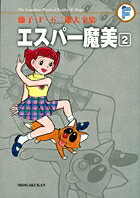
Esper Mami
Esper Mami follows Mami Sakura, a middle school girl who develops psychic powers — telekinesis, ESP, teleportation — and uses them not to become a hero or save the world but to navigate daily life, help her artist father, and exist in the complicated territory of early romance.

Fantasy / Comedy
Kaibutsu-kun
Kaibutsu-kun follows the prince of the Monster World who comes to the human world accompanied by his three monster retainers — Dracula, Frankenstein's monster, and a werewolf — and proceeds to cause chaos while trying to understand humans, who are funnier and stranger than any monster.
Fantasy / Slice of Life
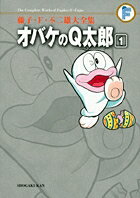
Obake no Q-taro
Obake no Q-taro is the story of a round, clumsy ghost who is adopted by a Japanese family — not through any supernatural event but because the children found him and decided to keep him — and who causes gentle chaos while eating as many rice crackers as possible.
Fantasy / Slice of Life
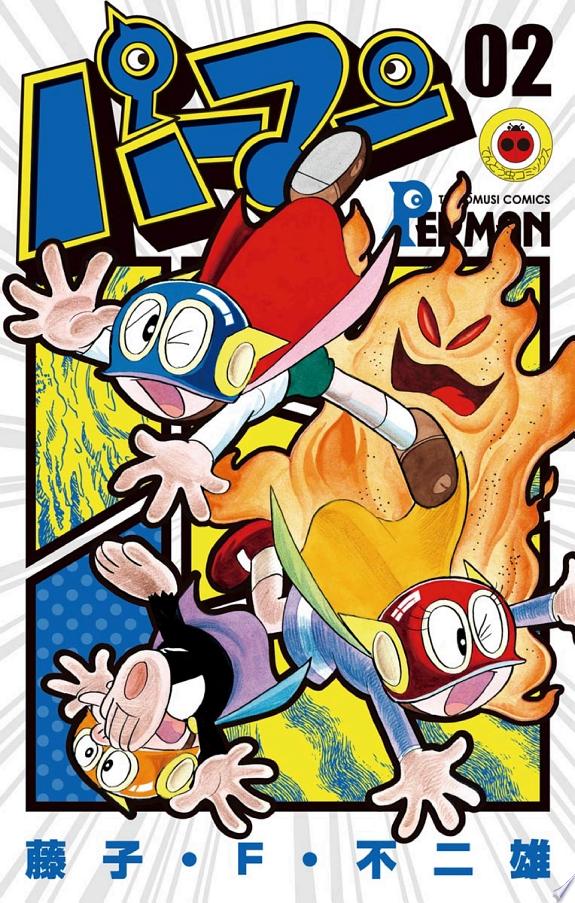
Perman
Perman follows Mitsuo Suwa, an ordinary boy who is given a superhero costume and the ability to fly by a visiting alien — not because he is special, but because Superman was unavailable — and who struggles to balance being a superhero with being an unremarkable student.
Fantasy
Unico
Unico is a small unicorn with the power to make anyone who meets him happy — which is why the gods condemn him to be carried across time by the West Wind, stripped of all memories and relationships, forbidden to stay anywhere long enough to be loved.
Fantasy / Slice of Life
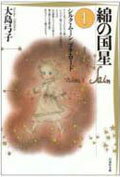
The Star of Cottonland
The Star of Cottonland follows Chi, a small stray kitten who believes with complete sincerity that she is a human child temporarily in cat form — Yumiko Oshima's beloved shojo classic about identity, belonging, and the particular consciousness of cats.
Written by
Yu
Manga Enthusiast from Japan
I grew up in Japan and manga literally saved me during a tough time in elementary school. My English isn't perfect, but my love for manga is real — and I want to share it with you.