Onmyoji Review: The Heian Supernatural Manga That Made Japan's Most Famous Exorcist Complicated
by Reiko Okano
Read the first volume. If it doesn't hook you, put it down. It'll hook you.
Buy Onmyoji on Amazon →*Affiliate link — I earn a small commission at no extra cost to you.
Abe no Seimei could see through any supernatural deception. The ones he struggled with were human.
Quick Take
- Reiko Okano's 13-volume manga adaptation of Baku Yumemakura's beloved novel series — Abe no Seimei, Heian Japan's most famous onmyoji, and the mysteries he solves with Minamoto no Hiromasa
- Beautiful, atmospheric, and psychologically richer than the premise of "exorcist solves supernatural cases" suggests
- The Seimei/Hiromasa partnership is one of manga's better odd-couple dynamics — the brilliant and detached versus the warm and occasionally blundering
Who Is This Manga For?
- Japanese historical fiction readers who want the Heian period's supernatural tradition depicted with care
- Supernatural manga readers who want cases that are as much about human psychology as spectacle
- Yumemakura novel fans who want the story in visual form
- Readers who appreciate gorgeous art in historical settings
Content Warnings & Age Rating
Age Rating: T (Teen) Content Warnings: Supernatural combat, spiritual themes, Heian-era historical content. Classical Japanese mythology. Nothing graphic.
Suitable for most readers.
Yu's Rating
| Category | Score |
|---|---|
| Story Depth | ★★★★☆ |
| Art Style | ★★★★★ |
| Character Development | ★★★★☆ |
| Accessibility for Non-Japanese Readers | ★★★☆☆ |
| Reread Value | ★★★★☆ |
Story Overview
Abe no Seimei is Japan's most famous onmyoji — a practitioner of the yin-yang arts who can see and interact with spirits, predict the future, and resolve supernatural disturbances. In Yumemakura's interpretation, he is brilliant, beautiful, and profoundly detached — his supernatural gifts have placed him outside ordinary human concern.
His companion Minamoto no Hiromasa is the opposite: a nobleman and musician of genuine feeling, somewhat ordinary in supernatural terms, deeply good. The contrast between them is the series' engine: Seimei resolves cases through understanding; Hiromasa provides the human feeling that Seimei himself doesn't have access to.
Each arc presents a supernatural case: a vengeful spirit, a possessed nobleman, a curse with human origins. Okano's adaptation gives each case emotional weight — the supernatural manifestation always reflects something real in human experience, and the resolution requires understanding both.
Characters
Abe no Seimei: The brilliant, detached exorcist whose greatest skill is not his supernatural power but his ability to understand what any supernatural event means about the humans involved.
Minamoto no Hiromasa: The warm companion whose humanity grounds the series — his genuine feeling for people is what makes Seimei's cold understanding useful rather than cruel.
The Heian court: A world of supernatural belief and political complexity that functions as both setting and recurring subject.
Art Style
Okano's art is among the most beautiful in this genre — the Heian period setting rendered with historical and aesthetic care, the supernatural elements depicted with genuine visual imagination, and the character designs (Seimei especially) drawn with the otherworldly quality the character requires. The art is a significant part of why the manga works.
Cultural Context
The Onmyoji manga adapts Baku Yumemakura's novel series, which has been adapted into films (with Mansai Nomura as Seimei), anime, and stage productions. Abe no Seimei is a historical figure who has become a cultural fixture in Japan — his supernatural abilities and elegant persona make him a recurring presence in Japanese popular culture.
Reiko Okano's manga ran from the 1990s and represents one of the most successful adaptations of the source material.
What I Love About It
I love Hiromasa.
The brilliant-exorcist narrative is common enough that Seimei, interesting as he is, is recognizable as a type. Hiromasa is not: the warm, somewhat bumbling companion whose primary gift is genuine feeling is unusual in this kind of story. The series works because it takes both characters seriously — Seimei's detachment and Hiromasa's warmth are each necessary, and the manga knows this.
What English-Speaking Fans Say
Known among readers familiar with the Onmyoji franchise through the films or novels. The manga is appreciated for Okano's art quality and for giving the Seimei/Hiromasa dynamic the space the shorter film adaptations couldn't provide. Consistently praised for visual beauty and the psychological depth of the cases.
Memorable Scene ⚠️ Spoiler Warning
A case where the supernatural manifestation turns out to have a human origin of genuine pathos — and where Seimei's resolution of it requires him to understand something about human feeling that his detachment normally prevents. Hiromasa's presence makes the understanding possible. The scene demonstrates what the partnership is for.
Similar Manga
| Title | Its Approach | How Onmyoji Differs |
|---|---|---|
| Natsume's Book of Friends | Supernatural Japan with sensitive protagonist and spirit encounters | Heian period setting and detective structure — the cases are more psychologically complex |
| Kurozuka | Historical supernatural manga with dark atmosphere | Onmyoji is Heian-specific and episodic — each case resolved rather than ongoing horror |
| xxxHOLiC | Supernatural wish-granting with philosophical undertones | Japanese supernatural tradition — similar episodic structure with philosophical register |
Reading Order / Where to Start
Volume 1. The Seimei/Hiromasa partnership and the Heian setting are established in the first volume and the series develops from that foundation.
Official English Translation Status
Onmyoji manga has no official English translation.
Pros & Cons
Pros
- Okano's art is genuinely exceptional
- The Seimei/Hiromasa dynamic is one of manga's better odd-couple partnerships
- The Heian historical setting is rendered with beauty and care
- Each case has genuine emotional depth beyond supernatural spectacle
Cons
- No English translation
- Heian period historical context requires some knowledge
- The episodic structure means no overarching narrative momentum
- Accessibility for non-Japanese readers is limited by cultural specificity
Is Onmyoji Worth Reading?
For readers interested in Japanese historical supernatural fiction and Heian period aesthetics, yes — the art alone makes this worth seeking out, and the cases are richer than the premise suggests. For readers without the historical context, the cultural specificity may create distance. As a beautifully rendered supernatural historical manga, it's exceptional.
Format Comparison
| Format | Notes |
|---|---|
| Physical | Japanese editions available |
| Digital | Available in Japanese |
| Omnibus | Collected editions available |
Where to Buy
No English release yet. That just means you find it before everyone else does.
*Affiliate link — I earn a small commission at no extra cost to you.
More Manga You Might Like
Fantasy / Supernatural
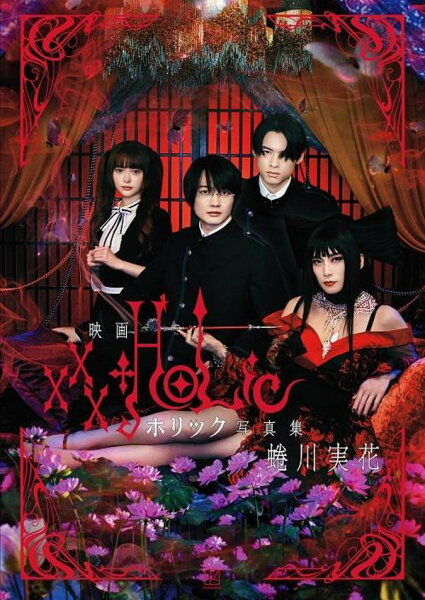
xxxHOLiC
Yu's review of xxxHOLiC — a high school student cursed with the ability to see spirits finds a mysterious shop run by the dimension witch Yūko, who agrees to remove his power in exchange for becoming her shop worker.

Fantasy / Supernatural
Tokyo Babylon
Yu's review of Tokyo Babylon — Subaru Sumeragi is the 13th head of Japan's most powerful onmyoji clan, sixteen years old and gentle, who uses his spiritual ability to take on cases involving Tokyo's supernatural problems; his twin sister Hokuto accompanies him, as does Seishirou Sakurazuka, who claims to be his friend.
Fantasy / Historical
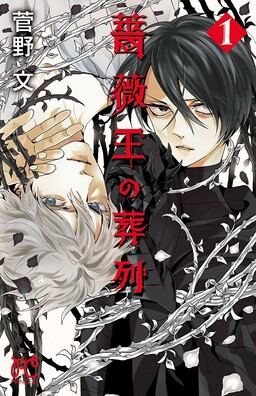
Requiem of the Rose King
Yu's review of Requiem of the Rose King — a dark manga adaptation of Shakespeare's Henry VI and Richard III set during the Wars of the Roses, reimagining Richard of Gloucester as intersex; ambitious historical dark fantasy that takes the psychological portrait of one of literature's great villains and asks what made him.
Fantasy / Romance
Sakura Hime: The Legend of Princess Sakura
A review of Sakura Hime: The Legend of Princess Sakura — Arina Tanemura's twelve-volume historical fantasy shojo following a princess who discovers she is descended from the moon and carries a sword that can destroy yokai — and everything she cares about.
Fantasy / Romance
Otome Youkai Zakuro
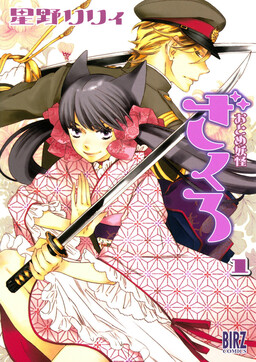
Yu's review of Otome Youkai Zakuro — in Meiji-era Japan, the Ministry of Spirit Affairs pairs human military officers with half-youkai girls to handle supernatural cases; Agemaki Kei, who is afraid of youkai, is paired with the sharp-tongued Zakuro; their partnership generates the series' central romance.
Fantasy
xxxHOLiC: Rei
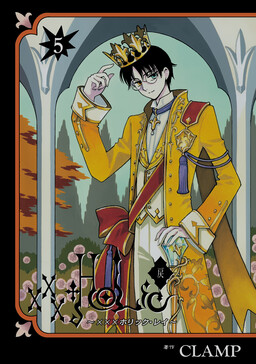
Yu's review of xxxHOLiC: Rei — the sequel to xxxHOLiC, where Watanuki continues to run the wish shop but something is wrong with his memories of what happened; CLAMP's return to the xxxHOLiC universe, exploring the aftermath of the original series and the nature of wishes that change everything.
Written by
Yu
Manga Enthusiast from Japan
I grew up in Japan and manga literally saved me during a tough time in elementary school. My English isn't perfect, but my love for manga is real — and I want to share it with you.