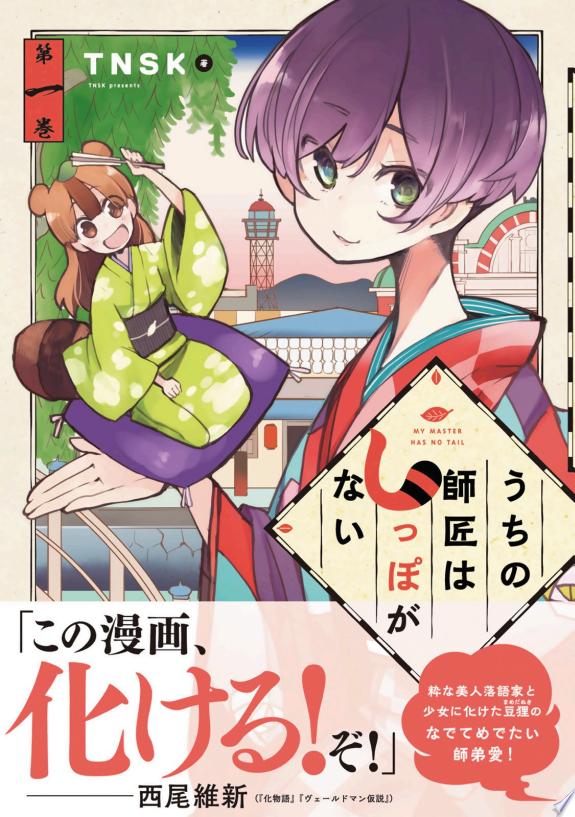
My Master Has No Tail Review: The Fox Demon Who Wanted to Hear Human Stories
by Ito
Read the first volume. If it doesn't hook you, put it down. It'll hook you.
Buy My Master Has No Tail on Amazon →*Affiliate link — I earn a small commission at no extra cost to you.
Quick Take
- A tanuki demon learning rakugo in Taisho Japan — the premise is as charming as it sounds
- Bunko is one of the most interesting female mentor characters in recent manga
- Deeply affectionate toward rakugo as an art form without being inaccessible
Who Is This Manga For?
- Readers who loved Shouwa Genroku Rakugo Shinjuu and want more rakugo manga — different tone, similar love for the art
- Fantasy fans who prefer worldbuilding through culture rather than action
- Taisho era enthusiasts — the setting is used thoughtfully
- Slice-of-life readers who want warmth and craft alongside their supernatural elements
Content Warnings & Age Rating
Age Rating: T (Teen) Content Warnings: Mild supernatural elements, period Taisho setting with appropriate gender dynamics
Warm and accessible — suitable for the rating.
Yu's Rating
| Category | Score |
|---|---|
| Story Depth | ★★★★☆ |
| Art Style | ★★★★★ |
| Character Development | ★★★★☆ |
| Accessibility for Non-Japanese Readers | ★★★★☆ |
| Reread Value | ★★★★☆ |
Story Overview
Mameda is a tanuki — a shape-shifting raccoon dog demon of Japanese folklore — who lives in rural Japan but has become obsessed with rakugo, the traditional comic storytelling art performed in the cities. She wants to become a rakugo performer more than anything.
She makes her way to Taisho-era Osaka and disguises herself as a human girl to approach Bunko, a famously skilled and famously unpleasant rakugo storyteller. Bunko is a woman in an era when women rarely performed publicly — her skill is extraordinary and her patience for nonsense is nonexistent.
She takes Mameda on anyway. The series is about what happens when someone who loves an art form completely has to learn it from someone who embodies it completely and has no interest in being easy about it.
Characters
Mameda: Her enthusiasm is total. She doesn't just want to perform rakugo — she feels it, at a level that confuses her because she's a demon and shouldn't feel this way about human things. Her gradual understanding of what rakugo actually is (rather than what she thought it was) is the emotional core.
Bunko: A remarkable mentor character. She's difficult, demanding, occasionally cruel in the way of someone who has learned her art the hard way. But her love for rakugo — the real love, the one that has survived everything — is completely evident. Watching her teach someone who has that love in its raw form is moving.
Art Style
Ito's art is beautiful — the period Taisho setting rendered with care, the transformation sequences (Mameda's tail appearing, her shapeshifting slipping when she's overwhelmed) used sparingly for maximum effect. The performance panels are drawn with theatrical attention.
Cultural Context
Rakugo's relationship with women performers is historically complex — the art form was largely male-dominated, with female rakugo performers working against significant resistance. Bunko's character engages with this history without being didactic.
The tanuki as a supernatural figure has specific associations in Japanese folklore — shape-shifting, associated with prosperity and mischief — that the series uses with affection.
What I Love About It
I love the specific combination of sincerity and skill.
Mameda has the sincerity — she feels rakugo in her whole body, before she understands what she's feeling. Bunko has the skill — decades of technical mastery that Mameda can barely comprehend yet. The gap between them is what the series lives in. It's the gap between loving something and being good at it. And the question the series is really asking is: can love survive the hard work of becoming competent?
The answer, slowly, across many volumes, is yes. And the process of watching it happen is as satisfying as any rakugo performance.
What English-Speaking Fans Say
Warmly received in English-speaking communities, often alongside recommendations for the Rakugo Shinjuu anime for readers who want the broader rakugo context. The Bunko/Mameda dynamic is consistently praised. Frequently described as "cozy but not shallow."
Memorable Scene ⚠️ Spoiler Warning
The first time Mameda performs before an actual audience — not practicing, not showing Bunko, but performing — and something clicks. The moment her earnestness and her accumulated understanding meet in front of people who are listening. Bunko's reaction to this moment, from offstage, is everything.
Similar Manga
- Shouwa Genroku Rakugo Shinjuu: Darker, more tragic, same love for the art form
- Descending Stories: Same recommendation with different emphasis
- Flying Witch: Different supernatural subject, similar warmth of craft and tradition
Reading Order / Where to Start
Volume 1. The apprenticeship arc builds from the beginning.
Official English Translation Status
Kodansha Comics is publishing My Master Has No Tail in English. Ongoing.
Pros & Cons
Pros
- Charming premise executed with genuine love for rakugo
- Bunko is an exceptional mentor character
- Beautiful period art
- Accessible to readers with no rakugo background
Cons
- Ongoing — the full arc is still developing
- Rakugo content benefits from background context
- Slower pace may not suit all readers
Format Comparison
| Format | Notes |
|---|---|
| Physical | Kodansha Comics volumes, ongoing |
| Digital | Available digitally |
| Omnibus | Not available |
Where to Buy
Read the first volume. If it doesn't hook you, put it down. It'll hook you.
This post contains affiliate links. If you purchase through these links, I may earn a small commission at no extra cost to you. As an Amazon Associate, I earn from qualifying purchases.
*Affiliate link — I earn a small commission at no extra cost to you.
More Manga You Might Like
Fantasy / Slice of Life
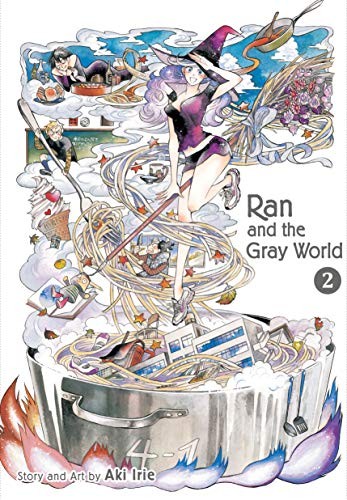
Ran and the Gray World
A review of Ran and the Gray World, the magical fantasy manga about a little girl who can transform into an adult using her late mother's shoes — and the world she discovers.
Fantasy / Adventure
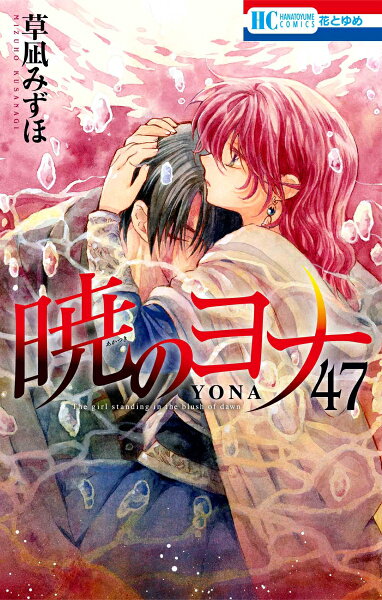
Yona of the Dawn
Yu's review of Yona of the Dawn — a sheltered princess witnesses her father's murder, flees the palace with her bodyguard, and begins the journey to reclaim her kingdom and herself.
Fantasy
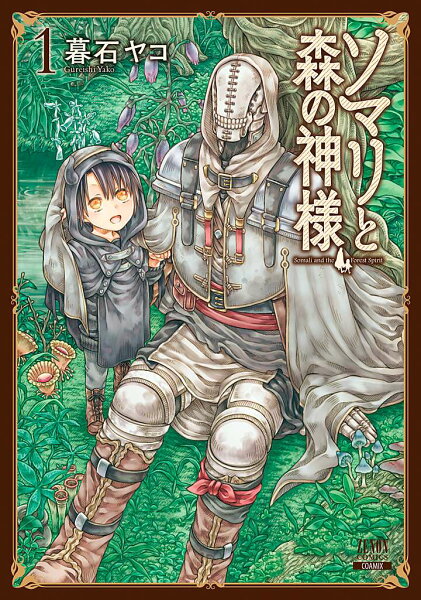
Somali and the Forest Spirit
Yu's review of Somali and the Forest Spirit — a golem assigned to maintain a forest finds a human child and raises her, traveling through a world of monsters and beasts where humans are prey, searching for other humans before his own time runs out.
Fantasy / Comedy
Saint Young Men
Yu's review of Saint Young Men — Jesus Christ and Gautama Buddha share an apartment in Tokyo's Tachikawa neighborhood while on vacation, trying to experience ordinary human life while accidentally performing miracles.
Fantasy / Historical
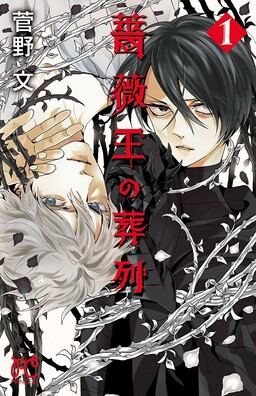
Requiem of the Rose King
Yu's review of Requiem of the Rose King — a dark manga adaptation of Shakespeare's Henry VI and Richard III set during the Wars of the Roses, reimagining Richard of Gloucester as intersex; ambitious historical dark fantasy that takes the psychological portrait of one of literature's great villains and asks what made him.
Fantasy / Historical
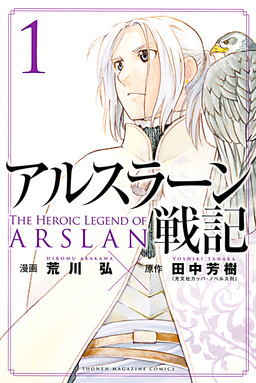
The Heroic Legend of Arslan
Yu's review of The Heroic Legend of Arslan — Prince Arslan of Pars watches his kingdom fall to an invading force; his father is betrayed by a trusted general; Arslan must gather allies and rebuild an army to retake his throne, while learning what kind of king he wants to be.
Written by
Yu
Manga Enthusiast from Japan
I grew up in Japan and manga literally saved me during a tough time in elementary school. My English isn't perfect, but my love for manga is real — and I want to share it with you.
Disclosure: This post contains affiliate links. As an Amazon Associate, I earn from qualifying purchases at no extra cost to you.