
Mermaid Melody Pichi Pichi Pitch Review: Seven Mermaid Princesses Who Defeat Evil With Songs
by Michiko Yokote (story) / Pink Hanamori (art)
Read the first volume. If it doesn't hook you, put it down. It'll hook you.
Buy Mermaid Melody Pichi Pichi Pitch on Amazon →*Affiliate link — I earn a small commission at no extra cost to you.
Seven mermaid princesses. Their power is music. Their enemy is evil that hates beautiful songs. This is the logic, and within its own terms, it works completely.
Quick Take
- A seven-volume magical girl manga about mermaid princesses who use song as combat — the Nakayoshi magical girl tradition carried into a marine fantasy setting
- The romance between Lucia and Kaito develops across the full series with enough investment to give the magical girl framework an emotional anchor
- For younger shojo readers and magical girl fans; the series does what it sets out to do with consistency
Who Is This Manga For?
- Fans of the magical girl genre who want a marine fantasy variation
- Younger readers who enjoy the Nakayoshi shojo tradition
- People interested in the song-as-power subgenre of magical girl manga
- Anyone who watched the anime and wants the source material
Content Warnings & Age Rating
Age Rating: All Ages Content Warnings: Light fantasy combat, romance themes
Age-appropriate throughout.
Yu's Rating
| Category | Score |
|---|---|
| Story Depth | ★★★☆☆ |
| Art Style | ★★★☆☆ |
| Character Development | ★★★☆☆ |
| Accessibility for Non-Japanese Readers | ★★★★☆ |
| Reread Value | ★★★☆☆ |
Story Overview
Lucia Nanami is the mermaid princess of the North Pacific Ocean who gave her pearl — the source of a mermaid's power — to a boy named Kaito Domoto when she rescued him from drowning as a child. Seven years later she comes to land to find him and reclaim her pearl, discovers he's a high school student who surfs and doesn't remember mermaids exist, and falls for him.
The complication: as a mermaid princess, Lucia cannot reveal her identity to a human she loves. Meanwhile, the world's oceans are under threat from aquatic villains who want to destroy the mermaid kingdoms, and Lucia needs to find the other six mermaid princesses to combine their powers through song.
The series balances the romance plot (Lucia and Kaito's relationship under the constraint of her secret identity) with the action plot (the princesses assembling and fighting threats to the ocean). The song-based combat is the series' most distinctive element — the princesses transform and perform to defeat enemies — which gives it a different texture from sword-and-magic magical girl manga.
Characters
Lucia — Impulsive, warm, and not particularly strategic. Her emotional investment in Kaito is genuine and her development is about learning to act on it despite the constraints her nature places on her.
Kaito — The human love interest who connects to the marine world through surfing. His own history with the ocean runs deeper than either character initially understands.
Art Style
Pink Hanamori's art is appealing shojo — clean, expressive, with strong character design for the mermaid forms and the transformation sequences. The marine settings are visually distinct from the land-based school scenes. The art is functional for the genre without being particularly distinctive.
Cultural Context
Mermaid Melody was serialized in Nakayoshi, the same magazine that produced Sailor Moon and Cardcaptor Sakura, during a period when the magical girl genre was still a dominant force in girls' manga. The series uses the template established by those works but repositions it in a marine fantasy setting with music as the central power metaphor.
The song-based combat reflects a strand of idol culture in magical girl manga — the idea that performance and power are connected — that runs through the genre from the 1990s onward.
What I Love About It
The design of the seven mermaid princesses — each associated with a different ocean, a different color, and a different musical register — is the series' most satisfying world-building element. The diversity of the cast across the seven volumes gives the final arc the weight of something assembled over time.
What English-Speaking Fans Say
A fondly remembered series among readers who grew up with it, and the anime has a larger following than the manga. The romance is considered more developed in the manga than in the anime adaptation. The song-as-combat premise is either the main appeal or the main barrier.
Memorable Scene ⚠️ Spoiler Warning
The chapter where Kaito finds out the truth and his response — specifically the way he frames it not as betrayal but as the thing he should have already known — is the emotional center the romance had been building toward.
Similar Manga
| Title | Its Approach | How Mermaid Melody Differs |
|---|---|---|
| Sailor Moon | Magical girl with romance and team combat | Sailor Moon is longer and more epic in scope; Mermaid Melody is more focused on romance |
| Tokyo Mew Mew | Magical girl with team and environmental themes | Tokyo Mew Mew uses animal powers; Mermaid Melody uses song and has marine setting |
| Full Moon o Sagashite | Music-as-power with romantic stakes | Full Moon is more dramatic and emotionally intense; Mermaid Melody is lighter |
Reading Order / Where to Start
Volume 1, straight through.
Official English Translation Status
ADV Manga published all 7 volumes in English. ADV's closure affects availability.
Pros & Cons
Pros
- The marine fantasy setting is distinctive in the magical girl landscape
- The romance between Lucia and Kaito has genuine development across seven volumes
- The ensemble of seven princesses provides good variety
- Complete and self-contained
Cons
- The song-as-combat mechanic is repetitive by design
- Character depth outside the main romance is limited
- ADV Manga closure affects physical availability
- Best suited to younger readers; may feel slight to adults
Is Mermaid Melody Pichi Pichi Pitch Worth Reading?
For magical girl fans and readers who enjoyed the anime — yes. For everyone else, it's a cheerful and complete series that delivers what it promises.
Format Comparison
| Format | Pros | Cons |
|---|---|---|
| Physical | Complete 7-volume set | ADV closure; availability varies |
| Digital | More accessible | Limited platforms |
| Omnibus | No omnibus | — |
Where to Buy
Read the first volume. If it doesn't hook you, put it down. It'll hook you.
This post contains affiliate links. If you purchase through these links, I may earn a small commission at no extra cost to you. As an Amazon Associate, I earn from qualifying purchases.
*Affiliate link — I earn a small commission at no extra cost to you.
More Manga You Might Like
Fantasy / Romance
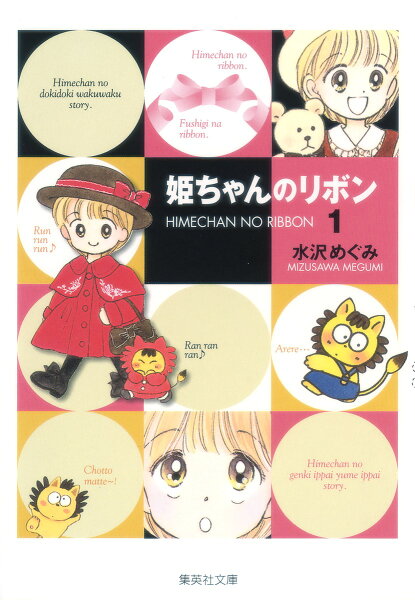
Hime-chan's Ribbon
Hime-chan's Ribbon follows Himeko Nonohara, a tomboy who receives a magic ribbon from her double in the magical kingdom that can transform her into anyone for one hour — a Nakayoshi magical girl series that kept the focus on friendship and romance over spectacle.
Fantasy / Adventure
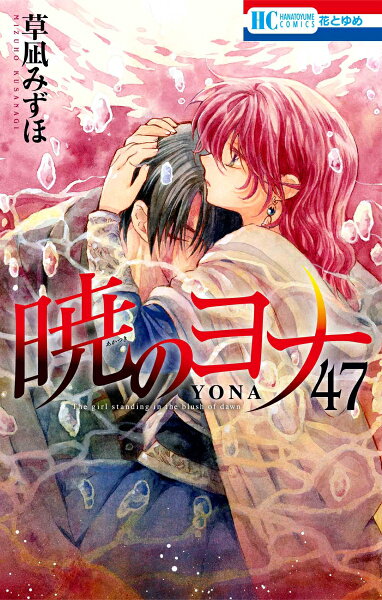
Yona of the Dawn
Yu's review of Yona of the Dawn — a sheltered princess witnesses her father's murder, flees the palace with her bodyguard, and begins the journey to reclaim her kingdom and herself.
Fantasy / Magical Girl
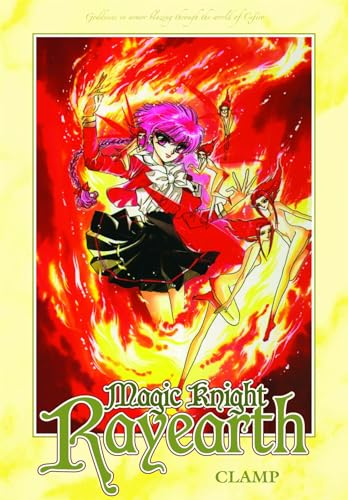
Magic Knight Rayearth
A review of CLAMP's Magic Knight Rayearth — six volumes (Part 1 + Part 2) running in Nakayoshi 1993–1996, a magical-girl manga where the rescue mission is the trap and the real story is what happens after. Complete in English from Dark Horse.
Fantasy / Magical Girl
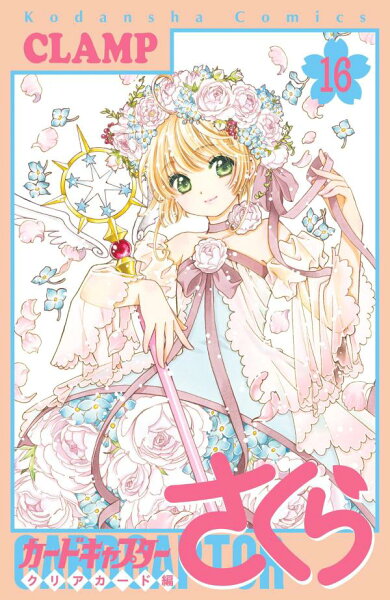
Cardcaptor Sakura
Yu's review of Cardcaptor Sakura — a ten-year-old girl accidentally releases the Clow Cards, has to capture them all, transforms them into her own, and along the way the manga quietly becomes one of CLAMP's warmest, most generous stories about love.
Fantasy / Romance
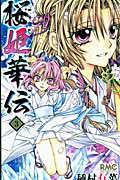
Sakura Hime: The Legend of Princess Sakura
A review of Sakura Hime: The Legend of Princess Sakura — Arina Tanemura's twelve-volume historical fantasy shojo following a princess who discovers she is descended from the moon and carries a sword that can destroy yokai — and everything she cares about.
Romance / Fantasy
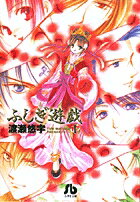
Fushigi Yugi
A review of Fushigi Yugi, the classic isekai romance manga about a girl transported to ancient China who becomes the Priestess of Suzaku.
Written by
Yu
Manga Enthusiast from Japan
I grew up in Japan and manga literally saved me during a tough time in elementary school. My English isn't perfect, but my love for manga is real — and I want to share it with you.
Disclosure: This post contains affiliate links. As an Amazon Associate, I earn from qualifying purchases at no extra cost to you.