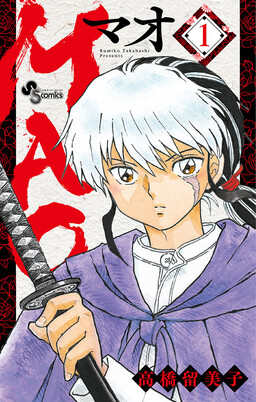
Mao Review: Rumiko Takahashi's Supernatural Mystery About Two Teens Linked Across Time by a Mysterious Curse
by Rumiko Takahashi
Read the first volume. If it doesn't hook you, put it down. It'll hook you.
Buy Mao on Amazon →*Affiliate link — I earn a small commission at no extra cost to you.
Quick Take
- Rumiko Takahashi returning to the supernatural mystery format that she pioneered in Inuyasha and Ranma 1/2, but with a Taisho-era setting and a specifically Japanese supernatural framework (onmyouji, curses, yokai)
- The time-slip mechanic — Nanoka moving between present Tokyo and 1920s Japan — creates a consistent structural elegance where the same locations and the same spiritual forces exist across a century of change
- 17 volumes ongoing; Takahashi at her most technically mature
Who Is This Manga For?
- Readers who loved Inuyasha and want the same temporal-split supernatural adventure from the same creator at greater narrative maturity
- Anyone interested in Taisho-era Japan depicted with historical accuracy
- Fans of onmyouji and Japanese supernatural tradition in manga
- Readers who want an ongoing supernatural mystery from a foundational creator
Content Warnings & Age Rating
Age Rating: T (Teen) Content Warnings: Supernatural violence against yokai and cursed beings; curse themes are central; Taisho-era historical content including period social structures
The T rating reflects the supernatural content without graphic violence.
Yu's Rating
| Category | Score |
|---|---|
| Story Depth | ★★★★☆ |
| Art Style | ★★★★★ |
| Character Development | ★★★★☆ |
| Accessibility for Non-Japanese Readers | ★★★★☆ |
| Reread Value | ★★★★☆ |
Story Overview
Nanoka Kiba survived a traffic accident ten years ago that killed her parents — and at certain locations, she slips from present-day Tokyo into the Taisho era of a century past.
In that past-Tokyo, she encounters Mao — an onmyouji (a practitioner of divination and supernatural arts) who has been cursed with immortality by a mysterious cat entity called Byoki. He cannot die and cannot age. He has been searching for Byoki for a century.
Nanoka's ability to time-slip is connected to the accident and to the same supernatural forces Mao is pursuing. Together they work cases — supernatural disturbances, cursed objects, yokai causing problems in both eras — while following the thread that connects Nanoka's past, Mao's curse, and a hundred years of intertwined destinies.
Characters
Nanoka Kiba — A protagonist with genuine agency and genuine feeling. Her time-slip ability is not arbitrary — it connects to loss she has never fully processed, and the Taisho world is where she most directly encounters what that loss means.
Mao — An immortal who has spent a century waiting for something to change. His century of experience is present in how he handles supernatural cases — with a calm and a thoroughness that Nanoka gradually learns from.
Byoki — The cat entity at the center of Mao's curse and Nanoka's connection to the supernatural — a presence that is developed progressively as something more complex than a simple antagonist.
Art Style
Takahashi's art in Mao is at its most refined — the clean line work that defines her style is applied to Taisho-era settings with beautiful historical detail, and the supernatural entity designs draw on Japanese yokai tradition with original variations. Character expressions carry the story's emotional weight as efficiently as any text.
Cultural Context
The Taisho era (1912-1926) was a period of significant cultural change in Japan — Western influences entering, traditional structures beginning to change, the specific anxiety of a society in transition. Takahashi uses the period for both its historical texture and as a setting where supernatural forces and modern life were still in genuine contact.
Onmyouji — practitioners of onmyoudou, a system of divination and protective ritual from the Heian period — are a real tradition with a long history in Japanese culture and literature. Mao as an onmyouji draws on that tradition with specificity.
What I Love About It
The time-slip format allows the series to have two complete settings without either feeling thin. Present-day Tokyo and Taisho Tokyo are both fully rendered, and the contrast between them — what changes in a century and what doesn't — is part of the series' texture.
What English-Speaking Fans Say
Western readers who grew up with Inuyasha describe Mao as a mature evolution of what they loved about that series — the supernatural adventure structure, the cross-time relationship, the episodic case-of-the-chapter format — but handled with greater skill and less romantic frustration. Takahashi's name carries immediate trust, and the series delivers on that trust.
Memorable Scene ⚠️ Spoiler Warning
The chapter where Nanoka discovers what the accident that killed her parents actually was — and what connection it has to the supernatural forces she and Mao have been pursuing — is the series' most significant revelation and the point where the personal and the supernatural threads converge.
Similar Manga
- Inuyasha — Same creator, same temporal-split supernatural adventure
- Mushishi — Supernatural cases with historical Japanese spirit folklore
- Natsume's Book of Friends — Japanese spirits/yokai, similar episodic structure
- InuYasha — Same creator's earlier work with similar structure
Reading Order / Where to Start
Volume 1 — Nanoka's time-slip ability and her first encounter with Mao establish the premise immediately.
Official English Translation Status
VIZ Media publishes the ongoing series. 12+ volumes currently available in English.
Pros & Cons
Pros
- Rumiko Takahashi at her most technically mature
- Taisho-era setting is beautifully rendered
- Time-slip mechanic is elegantly used
- Episodic case format balances with developing mythology
Cons
- Ongoing series without complete arc
- Romantic development is slow (Takahashi signature)
- Requires some familiarity with Japanese supernatural tradition for full appreciation
Format Comparison
| Format | Notes |
|---|---|
| Individual Volumes | VIZ Media; ongoing |
| Digital | Available |
Where to Buy
Read the first volume. If it doesn't hook you, put it down. It'll hook you.
This post contains affiliate links. If you purchase through these links, I may earn a small commission at no extra cost to you. As an Amazon Associate, I earn from qualifying purchases.
*Affiliate link — I earn a small commission at no extra cost to you.
More Manga You Might Like
Fantasy / Mystery
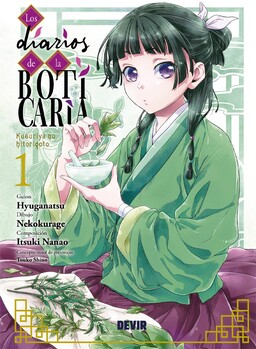
The Apothecary Diaries
Yu's review of The Apothecary Diaries — Maomao, a pharmacist's daughter sold into the imperial palace as a servant, cannot help noticing that the emperor's children are being poisoned by their cosmetics; she leaves an anonymous note, it works, and she is immediately recruited as an unofficial court investigator.
Fantasy / Romance
Sakura Hime: The Legend of Princess Sakura
A review of Sakura Hime: The Legend of Princess Sakura — Arina Tanemura's twelve-volume historical fantasy shojo following a princess who discovers she is descended from the moon and carries a sword that can destroy yokai — and everything she cares about.
Fantasy / Supernatural
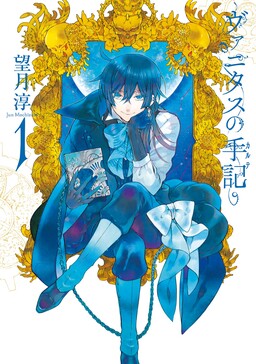
The Case Study of Vanitas
Yu's review of The Case Study of Vanitas — in a 19th-century steampunk Paris, Vanitas is a human who inherited a cursed grimoire from a vampire who hated his own kind; Noé is a vampire sent to find the grimoire; together they work to cure vampires afflicted with a curse that turns them feral; by the creator of Pandora Hearts.
Fantasy
Midnight Occult Civil Servants
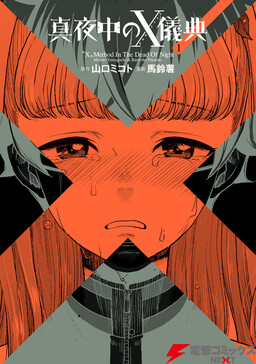
Yu's review of Midnight Occult Civil Servants — Miyako Arata starts his new job in Tokyo's Shinjuku Ward Office and discovers his department handles supernatural beings called Anothers; he's the first person in generations who can understand their speech; Aoi Kakitsubata's fantasy manga about a civil servant navigating between human bureaucracy and supernatural entities.
Fantasy / Comedy
Uncle from Another World
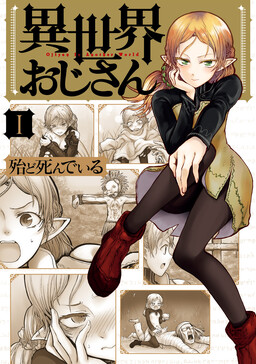
Yu's review of Uncle from Another World — Takafumi's uncle Yosuke wakes from a 17-year coma having been an isekai hero in another world; Takafumi discovers his uncle has magical powers but also deeply embarrassing stories about how he was treated in the other world.
Fantasy / Supernatural
Toilet-Bound Hanako-kun
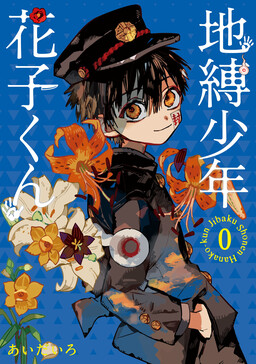
Yu's review of Toilet-Bound Hanako-kun — Nene Yashiro summons Hanako-kun, the most famous of her school's Seven Wonders, the ghost rumored to grant wishes; when she accidentally becomes bound to him as his helper, she enters a world of supernatural politics, competing spirits, and the mystery of who Hanako actually was.
Written by
Yu
Manga Enthusiast from Japan
I grew up in Japan and manga literally saved me during a tough time in elementary school. My English isn't perfect, but my love for manga is real — and I want to share it with you.
Disclosure: This post contains affiliate links. As an Amazon Associate, I earn from qualifying purchases at no extra cost to you.