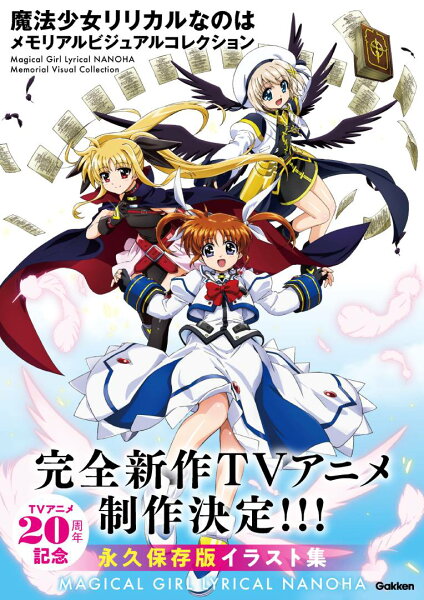
Magical Girl Lyrical Nanoha Review: The Magical Girl Who Hits First and Talks Later
by Masaki Tsuzuki (story) / TNsato (art)
Read the first volume. If it doesn't hook you, put it down. It'll hook you.
Buy Magical Girl Lyrical Nanoha on Amazon →*Affiliate link — I earn a small commission at no extra cost to you.
Nanoha Takamachi is a perfectly ordinary nine-year-old. She finds an injured ferret who is actually a young mage from another world. He gives her a magical device and asks for help collecting dangerous artifacts. Nanoha takes to magic immediately, with a kind of joyful intensity that surprises everyone, including herself.
I'm Yu. The magical girl genre does not usually give its protagonists this much joy in the fighting itself. That changes everything.
Quick Take
- Masaki Tsuzuki and TNsato's Magical Girl Lyrical Nanoha (魔法少女リリカルなのは) ran in Comp Ace — complete in 6 volumes.
- No official English edition available; Japanese volumes at Amazon Japan.
- Rated T (Teen) — magical combat; Fate's emotionally difficult backstory; high-intensity action.
Story Overview
Nanoha Takamachi is collecting Jewel Seeds — dangerous artifacts that transform animals into monsters — alongside Yuuno Scrya, the young mage whose mission became hers. Against her is Fate Testarossa: a cold, efficient magical girl who is clearly unhappy and clearly hiding why.
Nanoha doesn't want to fight Fate. She wants to understand her. This instinct — to reach across the battle rather than simply win it — is what defines the series.
Fate's backstory involves a mother, a failed experiment, and a grief that was turned into a weapon against the child who carries it. Her emotional arc is the series' most affecting element. The rivalry becomes a reaching out that Fate doesn't know how to accept.
Characters
Nanoha Takamachi — Unusual as magical girl protagonists go. Cheerful, determined, and strategic. Her willingness to fight at full power and her instinct to reach out afterward make her feel like a genuine action hero who also happens to be a kind person.
Fate Testarossa — The rival who becomes something more important. She has been told what she is for, what she owes, what her existence means. Her encounter with Nanoha is the first time someone has been interested in who she is rather than what she can do.
Yuuno Scrya — Nanoha's catalyst and support, stuck in ferret form for most of the series. His gentle presence is a good contrast to Nanoha's intensity.
Chrono Harlaown — An enforcer from the Time-Space Administration Bureau who adds legal friction to the Jewel Seed case.
What I Love About It
The moment Nanoha holds out her hand to Fate and says she wants to be friends — not enemies, not allies, but friends — and Fate doesn't know what to do with that.
The image of Fate looking at Nanoha's extended hand while her expression cycles through confusion, suspicion, and something that might be hope is one of the most memorable panels in the series. It is the series' whole thesis in one image: that being seen differently by one person can begin to change what you believe about yourself.
Memorable Scene ⚠️ Spoiler Warning
The revelation of what Fate's mother has done to her — what shape the grief takes and why Fate cannot put it down — is handled with more care than most magical girl series would bring to material this dark. The series is interested in Fate's specific experience, not just her utility as a rival.
Pros & Cons
Pros:
- Nanoha-Fate dynamic is a standout of the genre — rivals-to-found-family done precisely.
- Complete six-volume story with full narrative resolution.
- Influenced the action magical girl subgenre significantly.
- Fate's backstory is emotionally serious and treated as such.
Cons:
- No official English edition currently available.
- The first volume setup is slower than what follows.
- Readers wanting more will need the sequel manga (A's, StrikerS).
Is Magical Girl Lyrical Nanoha Worth Reading?
Yes — for magical girl fans and for readers interested in the genre's evolution toward action-forward storytelling. Nanoha was a turning point, and the manga captures what made it significant.
Who Is This Manga For?
- Magical girl readers who want action stakes alongside the genre's emotional warmth.
- Fans of rivals-to-friends arcs where the friendship is built across battle.
- Readers interested in the history of the action magical girl subgenre.
- Anyone who wants a complete six-volume fantasy action series with an emotionally satisfying arc.
Official English Translation Status
No official English edition is currently available. Japanese volumes can be purchased through Amazon Japan.
Where to Buy
Japanese edition available at Amazon Japan.
Browse Magical Girl Lyrical Nanoha on Amazon.co.jp →
This post contains affiliate links. If you purchase through these links, I may earn a small commission at no extra cost to you. As an Amazon Associate, I earn from qualifying purchases.
*Affiliate link — I earn a small commission at no extra cost to you.
More Manga You Might Like
Fantasy / Magical Girl
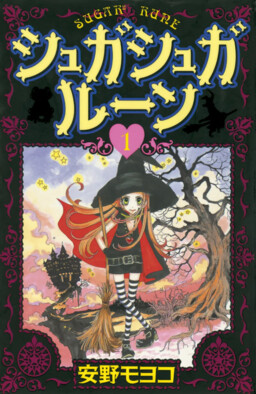
Sugar Sugar Rune
Yu's review of Sugar Sugar Rune — best friends Chocolat and Vanilla are witch girls sent from the Magic World to the human world; they must compete to collect the most human hearts (crystallized emotions) to determine who will become the next queen; but the Magic World's rules and human emotions don't work the way either of them expected.

Fantasy / Action
Tokyo Mew Mew new
A review of Tokyo Mew Mew new — Mia Ikumi's three-volume continuation of the beloved Tokyo Mew Mew magical girl series, following a new team of girls who inherit the Mew Mew powers to face a new threat to Earth.
Fantasy / Action
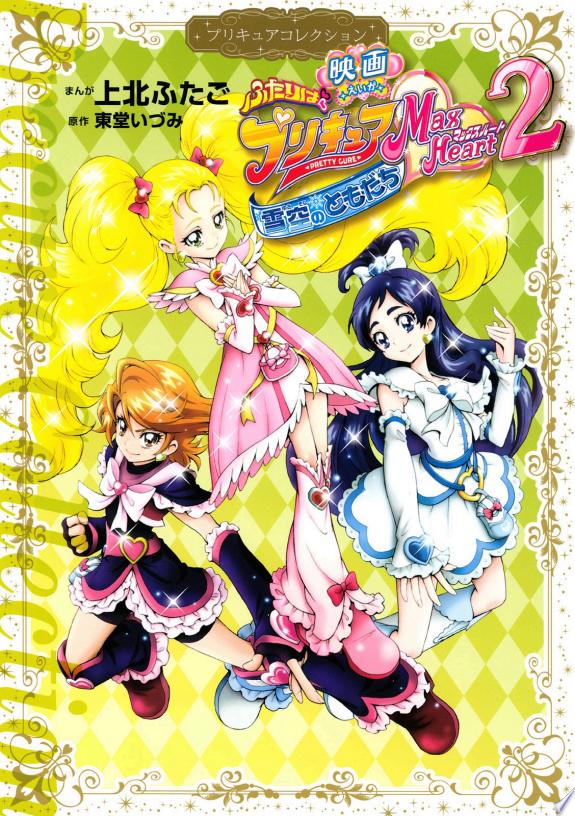
Futari wa Pretty Cure
Futari wa Pretty Cure is the manga adaptation of the 2004 anime — Nagisa and Honoka transform into the warrior duo Cure Black and Cure White to fight the forces of the Dark Zone, a magical girl series that put physical combat at the center of a genre previously defined by grace and transformation.
Action / Fantasy
Tower of God
A review of Tower of God, the Korean webtoon manhwa about a boy who climbs an infinite tower in search of his only friend.

Fantasy / Action
Saiyuki
Kazuya Minekura's 1997 reimagining of the Chinese classic Journey to the West — Genjo Sanzo, Son Goku, Sha Gojyo, and Cho Hakkai travel west across a fantasy China-Japan to stop the resurrection of the demon king Gyumao. The original 9-volume series spawned multiple sequel series (RELOAD, RELOAD BLAST, Ibun) and an anime franchise spanning decades. Complete in English from TOKYOPOP.
Fantasy / Action
X/1999
Yu's review of X/1999 — Kamui Shirô returns to Tokyo after years away, destined to decide the fate of the Earth; two groups of seven — the Dragons of Heaven who would save humanity and the Dragons of Earth who would let the planet destroy it — await his choice; the series is an apocalyptic tragedy where the question is not whether loss will happen but who will carry it.
Written by
Yu
Manga Enthusiast from Japan
I grew up in Japan and manga literally saved me during a tough time in elementary school. My English isn't perfect, but my love for manga is real — and I want to share it with you.
Disclosure: This post contains affiliate links. As an Amazon Associate, I earn from qualifying purchases at no extra cost to you.