
Kaibutsu-kun Review: The Monster Prince Who Came to the Human World and Loved It Too Much
by Fujio Akatsuka
Read the first volume. If it doesn't hook you, put it down. It'll hook you.
Buy Kaibutsu-kun on Amazon →*Affiliate link — I earn a small commission at no extra cost to you.
What if the scariest thing about monsters was that they found humans more interesting than the other way around?
Quick Take
- Fujio Akatsuka's monster comedy — classic Western horror figures (Dracula, Frankenstein, werewolf) as retainers to a mischievous prince
- The joke is that the Monster World's royalty finds humans endlessly fascinating and slightly ridiculous
- Warm, clever children's comedy that works because the monsters genuinely like the humans they're supposed to terrify
Who Is This Manga For?
- Fans of Western monster mythology who want them treated with affection rather than horror
- Readers of Fujio Akatsuka's comedy work who want to see his range across age groups
- Children's manga fans who want monster comedy with genuine heart
- Anyone who enjoys the "fish out of water" story but wants the fish to be a vampire
Content Warnings & Age Rating
Age Rating: All Ages Content Warnings: Monster comedy. Mild horror parody — nothing actually scary. No concerning content.
Appropriate for all readers.
Yu's Rating
| Category | Score |
|---|---|
| Story Depth | ★★★☆☆ |
| Art Style | ★★★★☆ |
| Character Development | ★★★☆☆ |
| Accessibility for Non-Japanese Readers | ★★★★☆ |
| Reread Value | ★★★☆☆ |
Story Overview
The prince of the Monster World — Kaibutsu-kun — arrives in the human world with three retainers: Dracula (vampire), Franken (Frankenstein's monster), and Wolf Man (werewolf). They are supposed to be terrifying. They are not terrifying. They are, instead, consistently curious about human behavior and consistently outmaneuvered by ordinary human situations.
The comedy comes from the classical monster figures encountering Japanese daily life — a school, a neighborhood, daily routines — and finding them simultaneously bewildering and compelling. Kaibutsu-kun doesn't want to conquer the human world. He wants to understand it, because humans do things that make no sense to anyone who hasn't grown up doing them.
The monsters are never threatening, which is the premise's key choice. By making them harmless, Akatsuka can make them sympathetic — and by making them sympathetic, he can make their encounters with human behavior genuinely warm.
Characters
Kaibutsu-kun: A prince who is curious rather than menacing — his royal status means he expects to be obeyed, which creates the same kind of comedy as any authority figure who keeps being surprised by reality.
Dracula, Franken, Wolf Man: Each classic monster is a distinct comedy type — Dracula is aristocratic and easily offended, Franken is gentle and easily confused, Wolf Man is energetic and easily distracted.
Art Style
Akatsuka's art has the clean expressiveness of his best comedy work — the monster designs are affectionate parodies of their classic sources, and the human characters are drawn with enough warmth that the contrast between their ordinariness and the monsters' exoticism is always clear.
Cultural Context
Kaibutsu-kun ran in Weekly Shonen Sunday from 1965 to 1969. Akatsuka was simultaneously producing multiple comedy manga in this period, and the monster genre gave him a different register to work in — less pure gag than his other work, more invested in the characters' warmth.
Multiple anime adaptations followed, with the most notable being the 2011 live-action drama that reintroduced the characters to a new audience.
What I Love About It
I love that the monsters are loyal to each other.
Kaibutsu-kun, Dracula, Franken, and Wolf Man form a genuine group — they argue, they frustrate each other, but when it matters they act together. The group loyalty is understated but consistent, and it gives the comedy a foundation that pure gag manga doesn't have. They are traveling companions who are genuinely fond of each other, and the human world they encounter together is more interesting than any of them would find it alone.
What English-Speaking Fans Say
Not known in English-speaking markets. Among classic children's manga readers, Kaibutsu-kun is recognized as a warm and inventive example of the monster comedy genre — Akatsuka demonstrating that his talent extended beyond pure absurdism.
Memorable Scene ⚠️ Spoiler Warning
A situation where the monsters are supposed to frighten someone and find they cannot — because the person they're supposed to scare has a problem that is more frightening than anything they can do. The monsters respond not by frightening but by helping, which surprises everyone including the monsters themselves.
Similar Manga
| Title | Its Approach | How Kaibutsu-kun Differs |
|---|---|---|
| Obake no Q-taro | Single ghost adopted by family | Monster prince team visiting human world |
| Tensai Bakabon | Pure gag comedy with no warmth needed | Monster comedy with genuine group affection |
| Gegege no Kitaro | Serious ghost defending humans | Casual monster prince enjoying humans |
Reading Order / Where to Start
Volume 1. The group dynamic is established immediately.
Official English Translation Status
Kaibutsu-kun has no official English translation.
Pros & Cons
Pros
- The classic monster retainer concept is charming and original
- Group loyalty gives the comedy emotional grounding
- Accessible to all ages — genuine children's manga
- Akatsuka showing range beyond pure gag
Cons
- No English translation
- Less purely funny than Akatsuka's straight comedy works
- Episodic structure with no larger narrative
- The warmth may feel slight to readers wanting dramatic stakes
Is Kaibutsu-kun Worth Reading?
For children's manga fans and monster comedy enthusiasts, yes — the group is genuinely charming and the comedy is warm and inventive. For readers wanting Akatsuka at his most purely funny, Tensai Bakabon is sharper. But Kaibutsu-kun has a different quality that's worth experiencing.
Format Comparison
| Format | Notes |
|---|---|
| Physical | Japanese editions available |
| Digital | Available in Japanese |
| Omnibus | Collected editions available |
Where to Buy
No English release yet. That just means you find it before everyone else does.
*Affiliate link — I earn a small commission at no extra cost to you.
More Manga You Might Like
Fantasy / Slice of Life
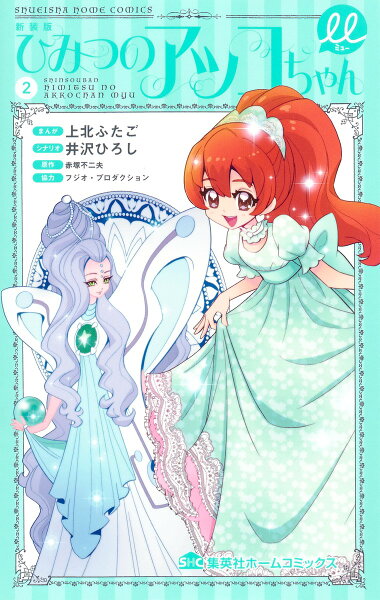
Himitsu no Akko-chan
Himitsu no Akko-chan is the manga that established the magical girl transformation formula — a young girl receives a magical mirror that allows her to transform into anyone or anything, and uses this power to solve problems and help people.
Fantasy / Romance
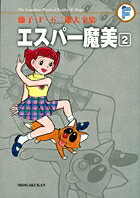
Esper Mami
Esper Mami follows Mami Sakura, a middle school girl who develops psychic powers — telekinesis, ESP, teleportation — and uses them not to become a hero or save the world but to navigate daily life, help her artist father, and exist in the complicated territory of early romance.
Fantasy / Slice of Life
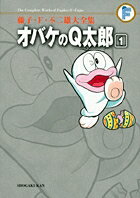
Obake no Q-taro
Obake no Q-taro is the story of a round, clumsy ghost who is adopted by a Japanese family — not through any supernatural event but because the children found him and decided to keep him — and who causes gentle chaos while eating as many rice crackers as possible.
Fantasy / Slice of Life
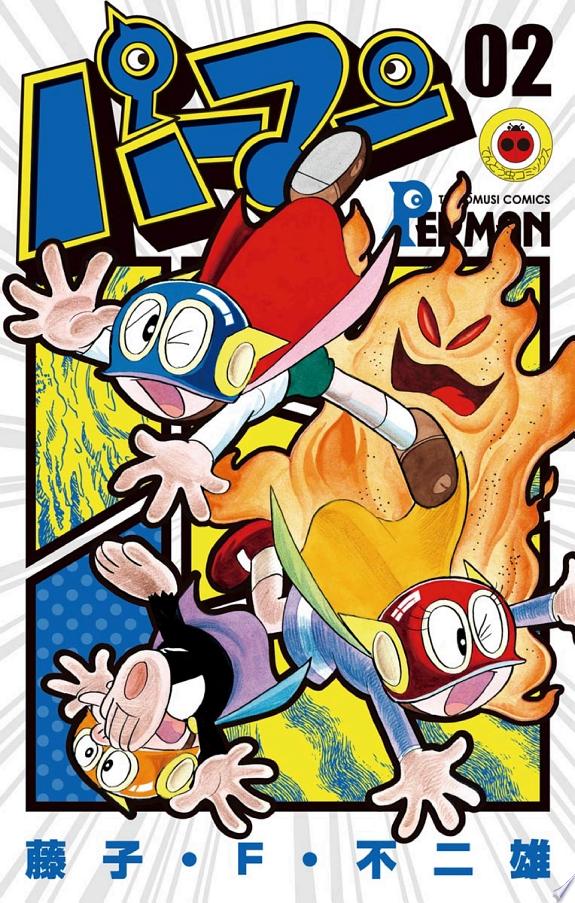
Perman
Perman follows Mitsuo Suwa, an ordinary boy who is given a superhero costume and the ability to fly by a visiting alien — not because he is special, but because Superman was unavailable — and who struggles to balance being a superhero with being an unremarkable student.
Fantasy / Comedy
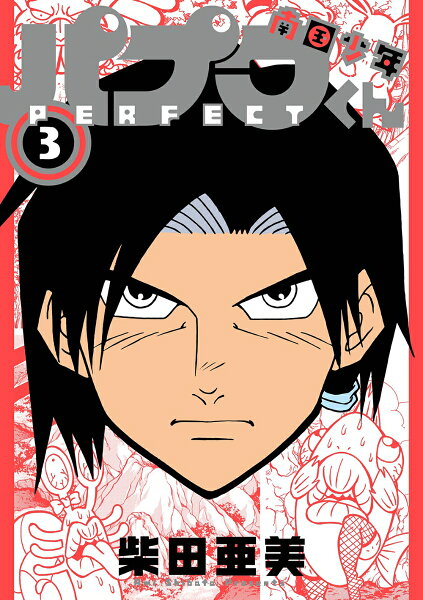
Papuwa-kun
Papuwa-kun follows a boy named Papuwa who lives on a tropical island with a magical fish named Liquid and an assortment of strange creatures — a comedy that became a fixture of early 1990s shonen manga through sheer warmth and reliable absurdism.
Fantasy
Unico
Unico is a small unicorn with the power to make anyone who meets him happy — which is why the gods condemn him to be carried across time by the West Wind, stripped of all memories and relationships, forbidden to stay anywhere long enough to be loved.
Written by
Yu
Manga Enthusiast from Japan
I grew up in Japan and manga literally saved me during a tough time in elementary school. My English isn't perfect, but my love for manga is real — and I want to share it with you.