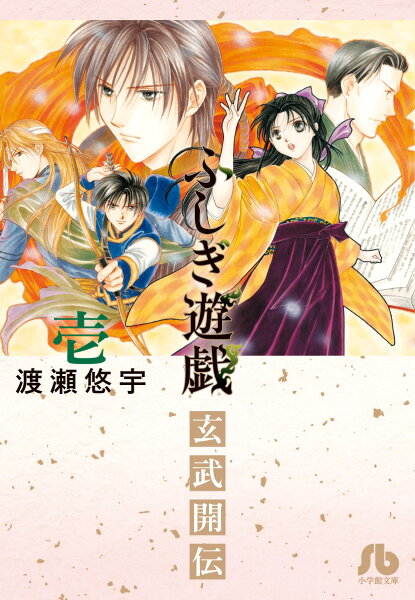
Fushigi Yugi Review: A Girl Falls Into a Book and Becomes the Priestess of a God
by Yuu Watase
Read the first volume. If it doesn't hook you, put it down. It'll hook you.
Buy Fushigi Yugi: The Mysterious Play on Amazon →*Affiliate link — I earn a small commission at no extra cost to you.
Quick Take
- A girl is literally pulled into a historical Chinese fantasy novel and becomes the Priestess of Suzaku, collecting seven warriors and navigating a love story with genuine stakes
- One of the defining shojo fantasy manga of the 1990s — operatic romance, historical world-building, and emotional intensity
- 18 volumes, complete, with a devoted Western fanbase
Who Is This Manga For?
- Readers who want shojo fantasy with full emotional commitment — this manga does not hold back
- Fans of historical fantasy settings with genuine world-building
- Anyone who wants a romance at the center of a high-stakes fantasy plot
- Readers willing to experience 1990s shojo in its most maximalist form
Content Warnings & Age Rating
Age Rating: T (Teen) Content Warnings: Fantasy violence, intense romance, themes of sacrifice and loss, historical Chinese setting
More emotionally intense than its rating suggests. The romance and tragedy are operatic.
Yu's Rating
| Category | Score |
|---|---|
| Story Depth | ★★★★☆ |
| Art Style | ★★★★☆ |
| Character Development | ★★★★★ |
| Accessibility for Non-Japanese Readers | ★★★★☆ |
| Reread Value | ★★★★☆ |
Story Overview
Miaka Yuki and her best friend Yui find a mysterious book — The Universe of the Four Gods — in a library. Miaka is pulled inside the book, which is set in ancient China. She discovers she is the Priestess of Suzaku, destined to gather the seven Celestial Warriors of Suzaku and summon the god to receive three wishes.
In the book-world, she meets Tamahome — one of the warriors and the man she falls in love with. Yui, who also enters the book, ends up as the Priestess of Seiryu — a rival god — and the conflict between Suzaku and Seiryu becomes a conflict between the two former friends.
The manga weaves romance and fantasy adventure with the urgency of someone who knows the stakes are final — characters die, love is tested at every level, and the resolution requires complete sacrifice.
Characters
Miaka Yuki — Enthusiastic, emotional, and deeply loyal. She is exactly the kind of heroine who makes you cringe and then cry, because her feelings are never small.
Tamahome — The primary love interest whose love for Miaka is genuine and whose backstory is among the manga's most affecting.
Nuriko — A warrior whose arc is the manga's most discussed and most heartbreaking; a character who became iconic in shojo manga for how they were written.
Hotohori — The emperor who loves Miaka; his acceptance of unrequited love with dignity is one of the manga's finest character moments.
Art Style
Watase's 1990s art is detailed and expressive — the Chinese historical setting is rendered with care, and the character designs, particularly the Celestial Warriors, are each distinctive. The emotional scenes are handled with appropriate weight.
Cultural Context
Fushigi Yugi draws on Chinese mythology — the four gods (Suzaku, Seiryu, Byakko, Genbu) correspond to real Chinese cosmological figures, and the historical setting draws on Tang Dynasty aesthetics. The manga popularized this kind of Chinese historical fantasy setting in shojo manga significantly.
What I Love About It
Nuriko. Without spoiling their arc completely — Nuriko is one of 1990s shojo manga's most thoughtfully written characters, someone who forced the genre to take seriously what it had previously treated as punchline. Their arc changed what I thought shojo manga could do.
What English-Speaking Fans Say
Fushigi Yugi has a massive Western fanbase from the VIZ publication and anime adaptation in the 1990s-2000s. It is frequently cited as a gateway manga for Western readers, particularly women, who discovered shojo fantasy through it. The Nuriko discourse continues in Western fandom.
Memorable Scene ⚠️ Spoiler Warning
Nuriko's final chapters — the decision made, the consequence, and the aftermath in the remaining warriors — is the emotional peak of the manga and the scene that made it a classic rather than simply a popular romance.
Similar Manga
- Yona of the Dawn — Similar female protagonist, historical setting, ensemble warriors
- Inuyasha — Girl transported to historical Japanese world, romance
- Escaflowne — Fantasy world, romance, similar era
- Ceres: Celestial Legend — Same author; similar operatic intensity
Reading Order / Where to Start
Volume 1. The setup is fast and the manga moves quickly.
Official English Translation Status
VIZ Media published the complete 18-volume series. All volumes available.
Pros & Cons
Pros
- 18 volumes, complete
- Nuriko is one of 1990s shojo's most significant character creations
- The romance earns its intensity
- Historical world-building is consistent
Cons
- Miaka's emotionalism can frustrate readers who prefer restrained protagonists
- The villain's motivations are less developed than the heroes'
- 1990s art style is an adjustment
Format Comparison
| Format | Notes |
|---|---|
| Individual Volumes | VIZ release |
| Vizbig Edition | 3-in-1 larger format; recommended |
| Digital | Available |
Where to Buy
Read the first volume. If it doesn't hook you, put it down. It'll hook you.
This post contains affiliate links. If you purchase through these links, I may earn a small commission at no extra cost to you. As an Amazon Associate, I earn from qualifying purchases.
*Affiliate link — I earn a small commission at no extra cost to you.
More Manga You Might Like
Romance / Fantasy
Fushigi Yugi
A review of Fushigi Yugi, the classic isekai romance manga about a girl transported to ancient China who becomes the Priestess of Suzaku.
Fantasy / Romance
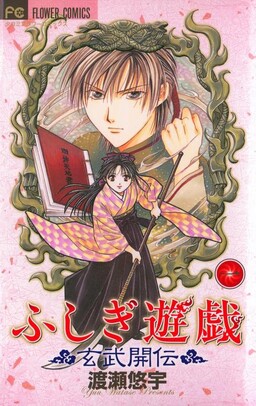
Fushigi Yugi: Genbu Kaiden
Yu's review of Fushigi Yugi: Genbu Kaiden — Takiko Okuda is pulled into The Universe of the Four Gods, the same book that later claimed Miaka in the original series; she becomes the Priestess of Genbu, must gather seven Celestial Warriors, and fulfill her wish — knowing from the book's frame story that this story ends in tragedy.
Fantasy / Slice of Life
The Star of Cottonland
The Star of Cottonland follows Chi, a small stray kitten who believes with complete sincerity that she is a human child temporarily in cat form — Yumiko Oshima's beloved shojo classic about identity, belonging, and the particular consciousness of cats.
Fantasy / Magical Girl
Cardcaptor Sakura
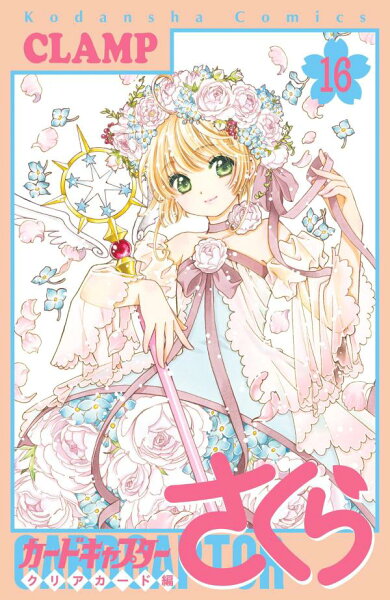
Yu's review of Cardcaptor Sakura — a ten-year-old girl accidentally releases the Clow Cards, has to capture them all, transforms them into her own, and along the way the manga quietly becomes one of CLAMP's warmest, most generous stories about love.
Fantasy / Romance
Sakura Hime: The Legend of Princess Sakura
A review of Sakura Hime: The Legend of Princess Sakura — Arina Tanemura's twelve-volume historical fantasy shojo following a princess who discovers she is descended from the moon and carries a sword that can destroy yokai — and everything she cares about.

Fantasy / Romance
Esper Mami
Esper Mami follows Mami Sakura, a middle school girl who develops psychic powers — telekinesis, ESP, teleportation — and uses them not to become a hero or save the world but to navigate daily life, help her artist father, and exist in the complicated territory of early romance.
Written by
Yu
Manga Enthusiast from Japan
I grew up in Japan and manga literally saved me during a tough time in elementary school. My English isn't perfect, but my love for manga is real — and I want to share it with you.
Disclosure: This post contains affiliate links. As an Amazon Associate, I earn from qualifying purchases at no extra cost to you.