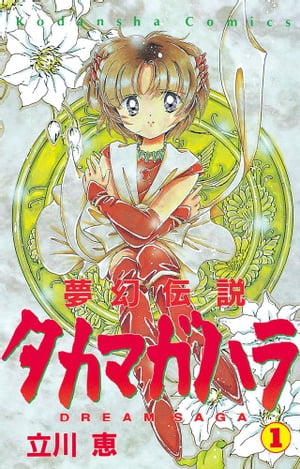
Dream Saga Review: She Fell Asleep on an Acorn and Woke Up in Japanese Mythology
by Megumi Tachikawa
Read the first volume. If it doesn't hook you, put it down. It'll hook you.
Buy Dream Saga on Amazon →*Affiliate link — I earn a small commission at no extra cost to you.
The portal to the land of Japanese gods requires a special acorn and a nap. The journey that follows is less simple.
Quick Take
- A five-volume shojo fantasy drawing on Japanese mythology — Takamagahara, the heavenly realm of Shinto tradition, as a setting for a coming-of-age adventure
- Short, complete, and accessible; Tachikawa keeps the mythology legible without demanding prior knowledge
- For younger shojo readers and mythology enthusiasts; compact and self-contained
Who Is This Manga For?
- Readers interested in manga that draws on Japanese mythological tradition
- Younger shojo readers who enjoy portal fantasy adventures
- Fans of compact, complete fantasy series without long commitment
- People who want an entry point into Shinto-inspired manga settings
Content Warnings & Age Rating
Age Rating: All Ages Content Warnings: Light fantasy combat, mild peril
Age-appropriate throughout. Aimed at younger readers.
Yu's Rating
| Category | Score |
|---|---|
| Story Depth | ★★★☆☆ |
| Art Style | ★★★☆☆ |
| Character Development | ★★★☆☆ |
| Accessibility for Non-Japanese Readers | ★★★☆☆ |
| Reread Value | ★★☆☆☆ |
Story Overview
Takaomi Yuuki is an ordinary elementary school girl who discovers an acorn with unusual properties: sleeping with it allows her to travel to Takamagahara, the heavenly realm at the center of Japanese Shinto mythology. There she meets Susanoo — a god who needs her help — and discovers that her visits are tied to something larger about who she is and her connection to the mythological world.
Over five volumes, Takaomi navigates between her ordinary school life and the responsibilities she is called to in Takamagahara, with the stakes in the mythological realm growing as she understands more about what she represents there.
Tachikawa draws on the Kojiki — the earliest chronicle of Japanese mythology — for the setting and supporting characters, but adapts freely for the shojo audience. The result is a fantasy that feels distinctly Japanese in its mythological register without requiring deep knowledge of Shinto tradition to follow.
Characters
Takaomi Yuuki — An ordinary girl whose ordinariness is the series' starting point. Her development is about discovering capacity she didn't know she had — which is the fundamental pattern of portal fantasy done well.
Susanoo — The god of storms from Shinto mythology appears as a character with more complexity than the mythology might suggest. His need for Takaomi is genuine rather than purely instrumental.
Art Style
Tachikawa's art is classic late-1990s Nakayoshi shojo — expressive, appealing, with strong emphasis on character emotion. The fantasy environments of Takamagahara are visually distinctive from the realistic school settings, giving the series' two worlds a clear visual language.
Cultural Context
Takamagahara (高天原) is the realm of the gods in Japanese Shinto tradition, first described in the Kojiki (712 CE). The major deities Amaterasu, Susanoo, and Tsukuyomi are well-known figures in Japanese culture that most Japanese readers would recognize immediately. Dream Saga uses this shared cultural knowledge as a foundation and builds a shojo fantasy on it.
For non-Japanese readers, the mythological setting is an interesting window into a tradition less commonly adapted in manga aimed at English-speaking markets than Western or generic fantasy.
What I Love About It
The moments where the mythological world bleeds into Takaomi's school life — where the weight of what she's doing in Takamagahara is visible in how she carries herself during ordinary days — are the series' most interesting texture. The separation between the two worlds is not as clean as the portal premise suggests.
What English-Speaking Fans Say
Appreciated as a mythology introduction more than as a standalone story — readers who were curious about Shinto mythology found it accessible. The five-volume length is consistently cited as ideal. Less discussed than Tachikawa's other work but positively remembered by readers who found it.
Memorable Scene ⚠️ Spoiler Warning
The chapter where Takaomi learns the full scope of what her visits to Takamagahara have already cost — and chooses to continue anyway — is the moment where the series commits to something more than a portal adventure.
Similar Manga
| Title | Its Approach | How Dream Saga Differs |
|---|---|---|
| Fushigi Yugi | Portal fantasy with mythological inspiration | Fushigi Yugi is longer and more romance-heavy; Dream Saga is shorter and younger-skewing |
| Kamichama Karin | Shinto gods as manga characters | Kamichama Karin is more comedic; Dream Saga is more adventure-focused |
| The Demon Ororon | Japanese mythology in manga | Ororon is darker and more mature; Dream Saga is aimed at younger readers |
Reading Order / Where to Start
Volume 1, straight through.
Official English Translation Status
Tokyopop published all 5 volumes in English. Complete. Availability varies due to Tokyopop's closure.
Pros & Cons
Pros
- The Shinto mythological setting is genuinely distinctive
- Five-volume length is ideal for the story being told
- Accessible to readers without prior knowledge of Japanese mythology
- Complete and self-contained
Cons
- Character development is limited by the short length
- The mythological depth is introductory rather than thorough
- May feel slight compared to longer fantasy series
- Tokyopop closure affects availability
Is Dream Saga Worth Reading?
For mythology enthusiasts and younger shojo readers — yes. For readers seeking deep character development or complex fantasy world-building, it's a brief but pleasant detour.
Format Comparison
| Format | Pros | Cons |
|---|---|---|
| Physical | Complete 5-volume set | Tokyopop closure; harder to find |
| Digital | More accessible | Limited availability |
| Omnibus | No omnibus | — |
Where to Buy
Read the first volume. If it doesn't hook you, put it down. It'll hook you.
This post contains affiliate links. If you purchase through these links, I may earn a small commission at no extra cost to you. As an Amazon Associate, I earn from qualifying purchases.
*Affiliate link — I earn a small commission at no extra cost to you.
More Manga You Might Like
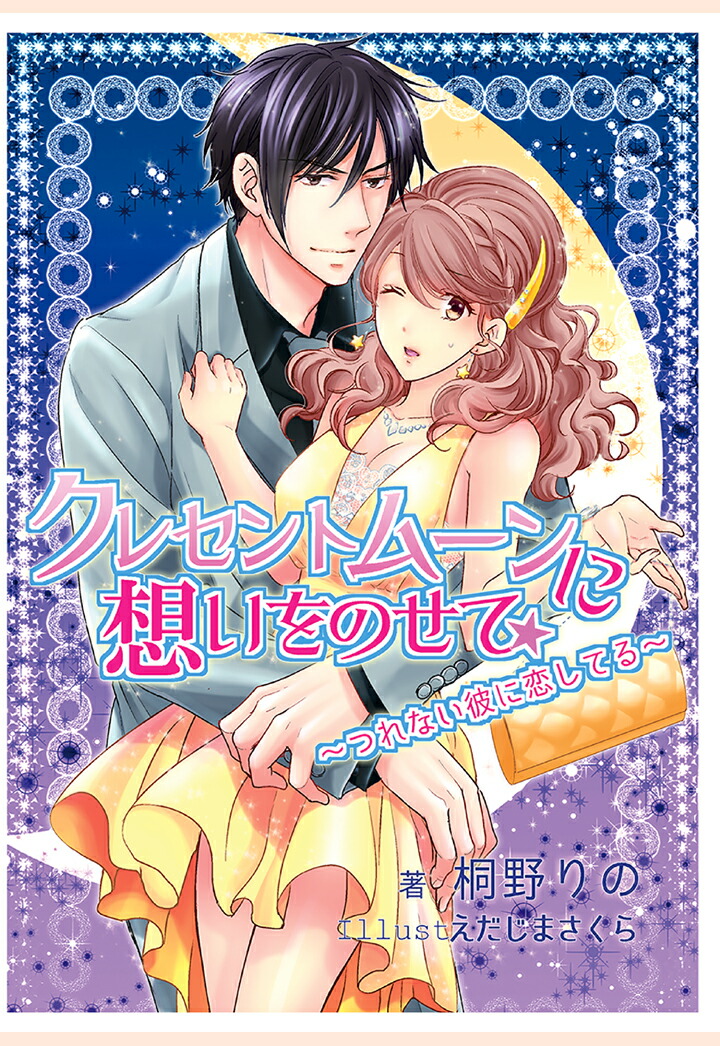
Fantasy / Romance
Crescent Moon
A review of Crescent Moon (Mikan no Tsuki) — Haruko Iida and Red Company's six-volume shojo fantasy about Mahiru, a girl who can only grant other people luck, and the Moonlight Bandits, a dying race of supernatural beings she's bound to by an old bloodline.
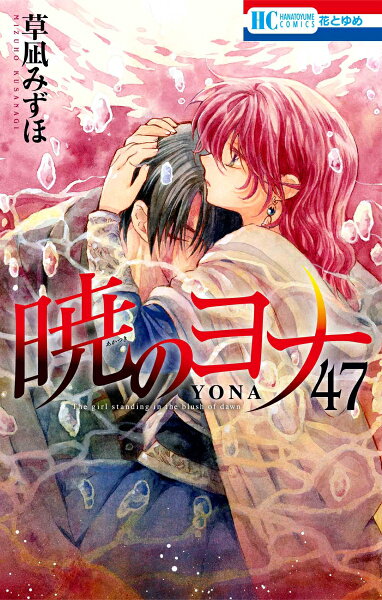
Fantasy / Adventure
Yona of the Dawn
Yu's review of Yona of the Dawn — a sheltered princess witnesses her father's murder, flees the palace with her bodyguard, and begins the journey to reclaim her kingdom and herself.
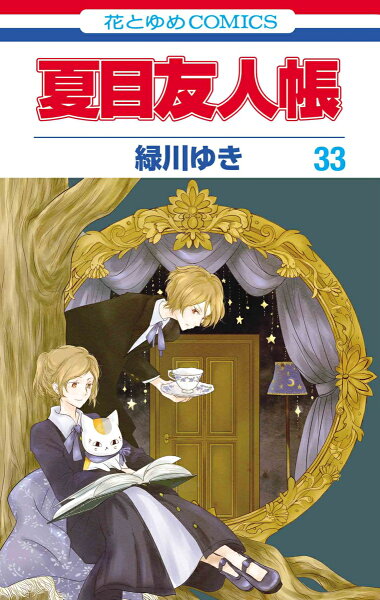
Fantasy / Supernatural
Natsume's Book of Friends
Yu's review of Natsume's Book of Friends — a teenager who can see spirits inherits a book from his deceased grandmother containing the names of spirits she had bound to her, and must return those names while navigating a world of supernatural beings and the human world he never quite fit into.
Fantasy / Action
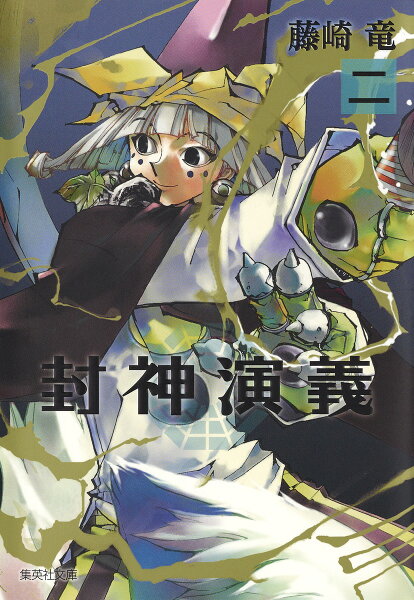
Soul Hunter
Based on the Chinese classic 'Investiture of the Gods,' Soul Hunter follows Taikoubou — a lazy, brilliant immortal sent to overthrow a corrupt dynasty — and the impossible task he's been given by the heavens themselves.
Fantasy / Romance
Sakura Hime: The Legend of Princess Sakura
A review of Sakura Hime: The Legend of Princess Sakura — Arina Tanemura's twelve-volume historical fantasy shojo following a princess who discovers she is descended from the moon and carries a sword that can destroy yokai — and everything she cares about.
Fantasy / Adventure
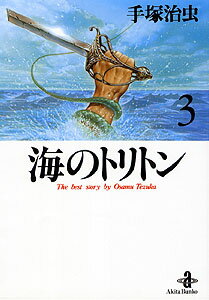
Triton of the Sea
A boy raised on land discovers he's the last prince of an ancient sea kingdom — Tezuka's lost-mythology epic.
Written by
Yu
Manga Enthusiast from Japan
I grew up in Japan and manga literally saved me during a tough time in elementary school. My English isn't perfect, but my love for manga is real — and I want to share it with you.
Disclosure: This post contains affiliate links. As an Amazon Associate, I earn from qualifying purchases at no extra cost to you.