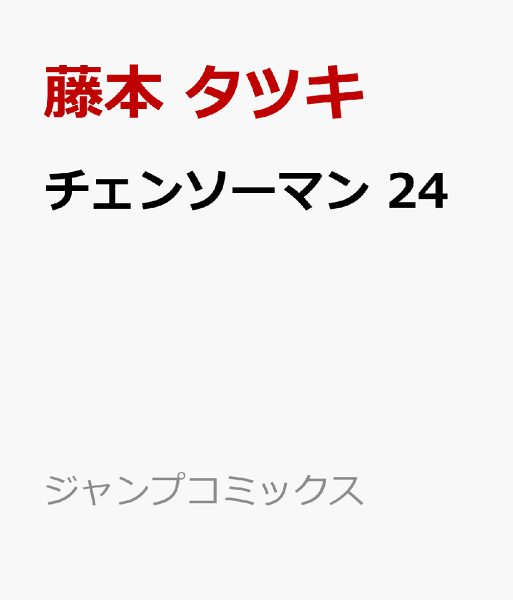
Chainsaw Man Review: The Most Honest Manga About Wanting Things
by Tatsuki Fujimoto
Read the first volume. If it doesn't hook you, put it down. It'll hook you.
Buy Chainsaw Man on Amazon →*Affiliate link — I earn a small commission at no extra cost to you.
The first time I read Chainsaw Man, I was eating instant ramen alone in my apartment, the way I've eaten a lot of meals in my life. And there's a moment early on where Denji — this beaten-down kid who owns nothing — talks about his dream. Not saving the world. Not becoming a hero. His dream is a piece of toast with jam on it. A girlfriend, maybe. A warm place to sleep.
I put the chopsticks down. Because that was my dream too, once. When I was a lonely kid with no friends and manga was the only warm thing in my life, I didn't dream big either. I just wanted someone to sit next to. Denji is the first protagonist I've ever read who wanted exactly what I wanted, and was treated as worthless for wanting it.
That's why this manga gutted me. It's marketed as the chainsaw-faced gore series. It is that. But underneath, it's the most honest thing I've ever read about being a person who wants small things and isn't allowed to have them.
Quick Take
- Part 1 is 11 volumes — short, complete, and hits harder than most 70-volume series. (The full series runs 23 volumes in Japan, with Part 2 having concluded its serialization in 2026.)
- The protagonist has the simplest desires in manga: toast, warmth, human connection. The story is about what the world does to people with desires that small
- Rated M (Mature) — graphic violence, gore, body horror, and psychologically uncomfortable manipulation. Not for younger readers
Who Is This Manga For?
Chainsaw Man is for you if:
- You want something that feels genuinely different from every other manga you've read
- You can handle dark, surreal violence in service of deeply human emotional content
- You love characters who are completely honest about their needs, even when those needs are embarrassing
- You want a story that will leave you thinking for weeks
Content Warnings & Age Rating
Age Rating: M (Mature) Content Warnings: Extreme violence and gore (this is among the most graphically violent mainstream manga), death of beloved characters, psychological manipulation as a central plot mechanic, mild sexual content, body horror
This is adult content. The violence is graphic and constant. The thematic material — especially the way Makima uses coercion and affection as weapons — needs some emotional maturity to sit with. Not for younger readers.
Story Overview
Denji is a teenager who owns nothing. His father died and left a debt, and that debt passed to Denji, who has been paying it off to the yakuza by hunting devils. He lives in a shack. He sells his own organs when money runs short. His only companion is Pochita — a small devil that looks like a dog with a chainsaw for a nose, who has fused himself to Denji to keep him alive.
His dreams: toast with jam. A girlfriend. A warm bed.
When the yakuza betray him and have him killed, Pochita makes a contract — Pochita becomes Denji's heart, letting him pull the cord on his chest and transform into a devil-human hybrid, Chainsaw Man, who can regenerate from almost anything. Denji slaughters his killers. Then a woman named Makima finds him, leashes him like a dog, and brings him into Public Safety — the government's devil-hunting agency. He's partnered with a grim veteran, Aki Hayakawa, and later with Power, a Blood Fiend.
For the first time in his life, Denji has a bed, food, and people around him. The middle of Part 1 is almost domestic — three damaged people sharing an apartment, fighting over the bathroom, eating together. Then the Gun Devil arc arrives, and Fujimoto takes everything Denji has gained and starts tearing it away. The turning point is brutal: Makima — who Denji has been chasing like a lovesick dog the entire series — is revealed to be the Control Devil, and the warmth Denji thought he found was a leash the whole time.
Characters
Denji — One of the most unusual protagonists in manga. His goals are not heroic. He isn't saving the world or fulfilling a destiny. He wants toast and someone who likes him. The story treats this — his fundamental human smallness — with complete seriousness, and then weaponizes it against him. His arc is the slow, painful realization that the affection he was offered came with a price tag.
Pochita — Denji's devil companion, the little chainsaw dog. What Pochita actually is — the Chainsaw Devil, feared across both the human and devil worlds, capable of erasing devils from existence permanently when he eats them — and what his contract with Denji really meant, lands near the end of Part 1. Few reveals in manga are this quietly devastating.
Power — A Blood Fiend in human form who joins Denji's apartment. Arrogant, selfish, a compulsive liar, and somehow one of the most loveable characters in the series. Her arc — from a creature who values nothing but herself to someone who calls Denji her friend — is the most emotionally complete in Part 1, and what happens to her breaks the story open.
Aki Hayakawa — The serious, exhausted veteran assigned to babysit Denji. As a kid, Aki watched the Gun Devil kill his parents and his little brother Taiyo, and he's spent his life hunting it for revenge. His bond with Denji and Power grows from reluctant supervision into a real, makeshift family — which is exactly why what the story does to him is so cruel.
Makima — Denji's superior at Public Safety, and the figure his entire devotion orbits around. She's the Control Devil, and her whole relationship with Denji is built on giving an unloved boy just enough affection to make him obey. One of the most disturbing and effective antagonists manga has produced.
Art Style
Fujimoto's art is kinetic, confident, and cinematic. The action is raw and messy — violence here doesn't feel choreographed, it feels chaotic the way real violence is chaotic. The character designs are deliberately plain: Denji, Power, and Aki look like real, tired teenagers, not idealized heroes. The devils, by contrast, are weird and inventive, often mundane fears made physical — the Eternity Devil, the Darkness Devil.
What I love most is Fujimoto's gift for quiet domestic panels — people eating, sleeping, watching TV — that make the violence land twice as hard by contrast.
What I Love About It
I've read so much manga about extraordinary people. Chainsaw Man is about an ordinary one — a kid treated as garbage his whole life — slowly discovering he matters to someone.
The scene that stays with me isn't a fight. It's Denji, Power, and Aki crammed into one apartment, arguing about stupid things, eating together. There's nothing heroic in it. And it's the happiest Denji has been in the entire story. I read those panels and thought: this is what survival actually looks like. Not victory. Just getting to sit somewhere warm with people who know you and bicker about nothing.
That's the engine of the whole series for me. Fujimoto understands that this — not glory, not power — is what people actually want. And then he builds the entire tragedy of Part 1 out of how easy it is to take that away from someone who's never had it. Denji is so starved for affection that when Makima offers him scraps of it, he'll do anything she asks. The horror of Chainsaw Man isn't the gore. It's watching a lonely kid get manipulated through the exact need I recognized in myself.
What English-Speaking Fans Say
Chainsaw Man has an intensely passionate Western fanbase, a lot of which arrived through the anime and then dove into the manga. Part 1 is almost universally treated as a modern classic. Part 2 (the School Arc, following a new character named Asa) has a more divided reception — some readers love its weirder, slower direction; others miss Part 1's momentum.
Common praise for Part 1: the originality, the emotional honesty, Aki's death, Power's arc, and Makima as a villain. Common criticism: the violence can be overwhelming, and the bleak tone isn't for everyone.
Memorable Scene ⚠️ Spoiler Warning
Aki's death.
The Future Devil warns Aki that he's going to die a terrible death. With nowhere left to turn, Aki begs Makima — sobbing — for the power to give Denji and Power a happy future. Makima, the Control Devil, uses that desperation to force a contract on him, and Aki is taken over by the Gun Devil, becoming the Gun Fiend.
Denji has to fight him. Has to kill him. The thing wearing Aki's body attacks Power, and Denji arrives to stop it, horrified, crying, wanting any other way out.
And then Fujimoto does the cruelest, most beautiful thing in the series. In his final moments, the Gun Fiend perceives the fight not as a battle but as a snowball fight — the same one Aki had with his little brother Taiyo before the Gun Devil killed his family. He sees Denji crying and stops fighting. He lets Denji kill him. And in death, Aki gets a game of catch with the brother he lost.
It reframes the entire fight. The person Denji is forced to murder dies happy, inside a memory of the one good thing he ever had. I had to put the book down.
Memorable Scene: Pochita's Reveal ⚠️ Spoiler Warning
Late in Part 1, we finally learn what Pochita's contract actually meant. The little chainsaw dog who kept Denji alive had one condition for giving Denji his heart: let me see your dreams.
Denji's dreams — toast with jam, hugs, a girlfriend — are so small they're almost embarrassing. And Pochita cherished every one of them. Pochita didn't want to live them himself. He wanted to watch Denji finally get to live them. He gave up his own existence so that a boy who had nothing could have toast and warmth and someone beside him.
The reveal doesn't twist the plot. It just lets you finally see the emotional truth that was sitting under the entire series the whole time. After everything Makima does to Denji's idea of love, Pochita is the one being in the story who loved him without wanting anything back.
Pros & Cons
Pros
- Completely original in tone, structure, and emotional approach
- Part 1 is 11 volumes — readable in a day or two, and a complete story
- Power and Aki are among the best supporting characters in recent manga
- The ending of Part 1 is, for me, perfect
Cons
- The violence is extremely graphic — genuinely not for all readers
- The surreal, bleak tone won't click with everyone
- Makima's manipulation is psychologically uncomfortable by design — but still uncomfortable
- Part 2 feels very different from Part 1, and not everyone follows it there. The bleakness is either the point or a dealbreaker, depending on you.
Is Chainsaw Man Worth Reading?
Yes — Part 1 alone is worth the whole purchase. It's short, complete, completely original, and it uses its gore as a delivery system for one of the most honest stories about loneliness and wanting I've ever read. If you can handle the violence, read it. The only people I'd steer away are readers who can't stomach graphic content or who want something hopeful and clean.
Reading Order / Where to Start
Start from Volume 1. Part 1 is 11 volumes and reads as a complete, self-contained story — one of the fastest reads in manga because the pacing never lets up.
Part 2 (the School Arc) is a different arc following a new lead, Asa Mitaka, in the same world. You technically don't need Part 1 to start it, but you'll understand far more of what it's doing if you've read Part 1 first.
Official English Translation Status
Status: Part 1 complete in English (11 volumes) / Part 2 ongoing in English English Publisher: VIZ Media Translation Quality: Excellent
Part 1 is fully available in English from VIZ. Part 2 volumes continue to release.
Similar Manga
| Title | Its Approach | How Chainsaw Man Differs |
|---|---|---|
| Jujutsu Kaisen | Same generation, dark cursed-spirit battles, but built on classic shonen structure | Chainsaw Man rejects shonen structure entirely and centers a hero with no heroic goals |
| Fire Punch | Fujimoto's earlier work — even more brutal and surreal | Chainsaw Man channels the same chaos into a tighter, more emotionally legible story |
| Dorohedoro | Chaotic dark fantasy that treats grotesque violence as mundane | Chainsaw Man uses that same matter-of-fact violence to frame intimate human longing |
Where to Buy
Read the first volume. If it doesn't hook you, put it down. It'll hook you.
This post contains affiliate links. If you purchase through these links, I may earn a small commission at no extra cost to you. As an Amazon Associate, I earn from qualifying purchases.
*Affiliate link — I earn a small commission at no extra cost to you.
More Manga You Might Like
Action / Dark Fantasy
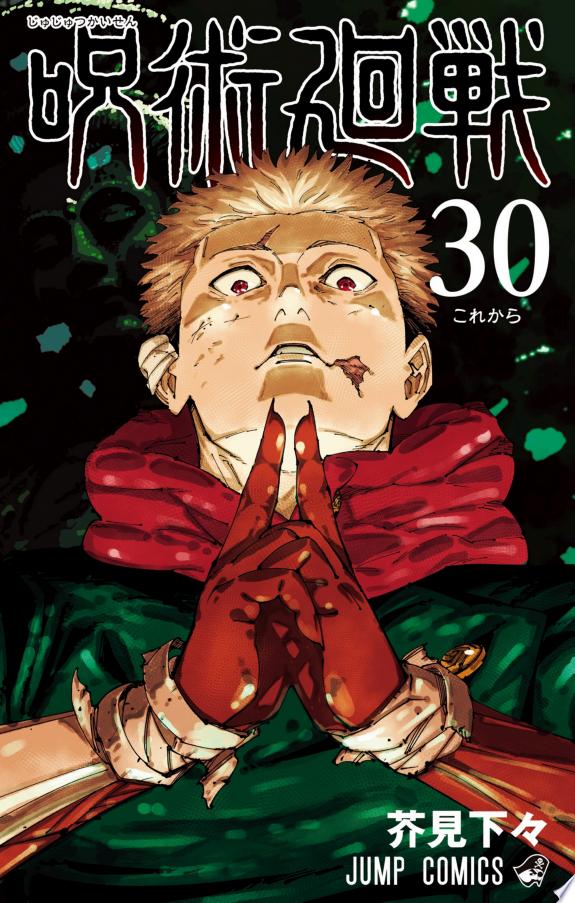
Jujutsu Kaisen
Yu's review of Jujutsu Kaisen — 27 volumes about cursed energy, sorcerers, and a boy sentenced to death who keeps finding reasons to keep going. Brutal, beautiful, and one of the most emotionally devastating manga of its generation.

Fantasy / Action
The Kingdoms of Ruin
Yu's review of The Kingdoms of Ruin — after technology advanced enough to make magic unnecessary, humanity systematically exterminated all witches; the sole surviving human apprentice of the greatest witch witnesses her death and swears revenge against a civilization that killed the person who gave him everything; a dark fantasy revenge narrative with genuine emotional stakes.
Fantasy / Action
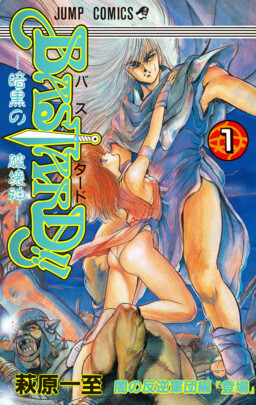
Bastard!!
Yu's review of Bastard!! -Ankoku no Hakaishin- by Kazushi Hagiwara — Dark Schneider, a 400-year-old dark wizard sealed inside a teenage boy, is woken by a maiden's kiss to defend a kingdom he'd rather rule, in a 1980s heavy metal dark fantasy where every spell, place, and person is named after a metal band.
Fantasy
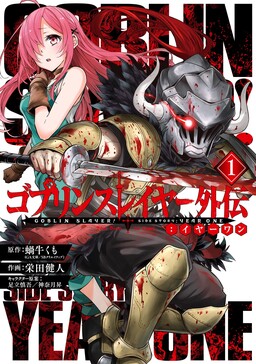
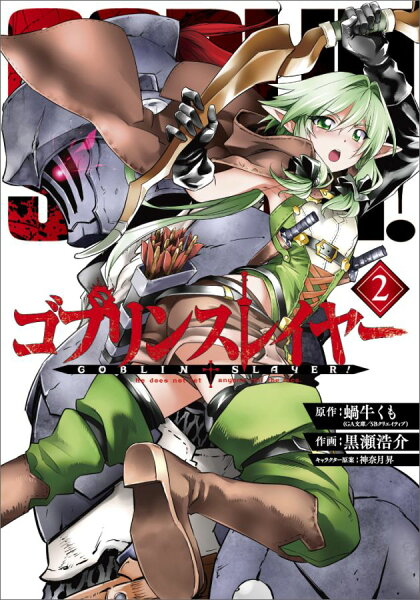
Goblin Slayer: Year One
Yu's review of Goblin Slayer: Year One — the prequel to Goblin Slayer, following the protagonist's early days as an adventurer before he became Porcelain-ranked and before he had the equipment and experience of the main series; the series shows how the Goblin Slayer built his obsessive methodology.
Fantasy / Dark
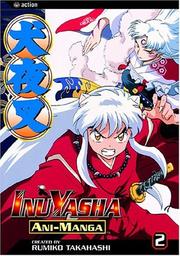
Goblin Slayer
Yu's review of Goblin Slayer — a manga about a warrior who kills only goblins, obsessively, methodically, because of what goblins did to him. The opening chapter is one of the most graphic in manga. What follows is a dark fantasy about trauma and obsession.
Fantasy / Action
X/1999
Yu's review of X/1999 — Kamui Shirô returns to Tokyo after years away, destined to decide the fate of the Earth; two groups of seven — the Dragons of Heaven who would save humanity and the Dragons of Earth who would let the planet destroy it — await his choice; the series is an apocalyptic tragedy where the question is not whether loss will happen but who will carry it.
Written by
Yu
Manga Enthusiast from Japan
I grew up in Japan and manga literally saved me during a tough time in elementary school. My English isn't perfect, but my love for manga is real — and I want to share it with you.
Disclosure: This post contains affiliate links. As an Amazon Associate, I earn from qualifying purchases at no extra cost to you.