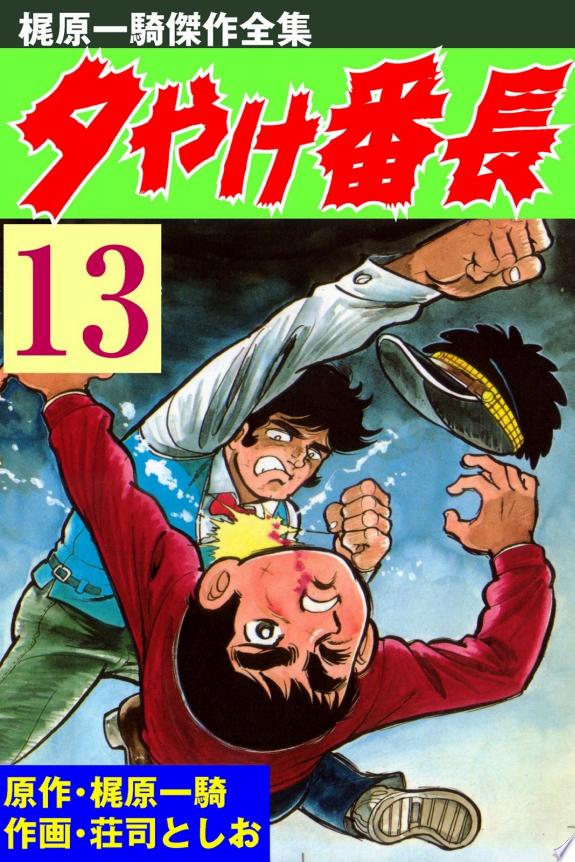
Yuyake Bancho Review: The Delinquent Manga That Made Sunset Mean Something
by Mitsuyoshi Sonoda
Read the first volume. If it doesn't hook you, put it down. It'll hook you.
Buy Yuyake Bancho on Amazon →*Affiliate link — I earn a small commission at no extra cost to you.
The sun setting behind a fight scene means something different when it has meant something for fifty years.
Quick Take
- Mitsuyoshi Sonoda's 1968-1973 delinquent classic — Akagi Kentaro at one school after another, fighting where fights are needed
- A foundational work of the Japanese delinquent manga tradition, alongside contemporaries like Otoko Ippiki Gaki Daisho
- The series whose title image — a fight at sunset — became visual shorthand for an entire genre era
Who Is This Manga For?
- Classic shonen readers who want to understand the foundation of the delinquent manga tradition
- 1960s/1970s Japanese pop culture enthusiasts who want a series that captured the era's youth identity
- Genre history readers who want to see what later delinquent manga were responding to
- Anyone curious about what made school-fight manga become its own enduring category
Content Warnings & Age Rating
Age Rating: T (Teen) Content Warnings: Frequent fights, school violence, period attitudes. Nothing graphic by modern standards.
Suitable for most readers.
Yu's Rating
| Category | Score |
|---|---|
| Story Depth | ★★★☆☆ |
| Art Style | ★★★☆☆ |
| Character Development | ★★★☆☆ |
| Accessibility for Non-Japanese Readers | ★★☆☆☆ |
| Reread Value | ★★★☆☆ |
Story Overview
Akagi Kentaro is a transfer student who arrives at each new school carrying his reputation — and the reputation always finds him challenges. Local delinquents test him. Established hierarchies don't survive his arrival. Akagi fights the people who deserve to be fought, defends those who deserve defending, and moves on when his work in a place is done.
The structure is episodic — each school is a new arc, each arc has its central antagonist and its moral question. The fights happen against the era's iconic sunset, the visual motif from which the title takes its meaning. By the end of an arc, the school has been changed by Akagi's intervention, and Akagi has moved on without changing himself.
The series belongs to a specific moment in Japanese manga — when the delinquent protagonist became a recognizable archetype, when the school was the recognized stage for youth conflict, when the wandering hero who fought for justice was a clear cultural reference. Yuyake Bancho is one of the works that built that reference.
Characters
Akagi Kentaro: The wandering bancho — competent, principled, alone. He doesn't change much across the series; the structure is about how he changes places, not himself.
Each school's antagonists: Drawn to represent particular kinds of injustice or cruelty Akagi confronts.
Art Style
Sonoda's art has the dynamic, slightly rough line quality of 1960s shonen action — fights are clear and impactful, the iconic sunsets are dramatic, and character designs are distinct enough to register quickly across episodic structure.
Cultural Context
Yuyake Bancho ran from 1968 to 1973 in Weekly Shonen King. The era was the formative period of the delinquent manga genre — alongside Hiroshi Motomiya's Otoko Ippiki Gaki Daisho and others, this work helped establish what the genre would look like across subsequent decades.
The "yuyake" (sunset) motif tied the series to Showa-era nostalgia even when it was contemporary — sunsets carry specific cultural weight in Japanese visual storytelling, and using them as fight backdrops created an aesthetic that other delinquent manga would later borrow.
What I Love About It
I love the iconic image.
Two boys fighting, the sun setting behind them, the long shadows across schoolyard concrete — that's not just an image, that's an idea about what masculinity, justice, and youth looked like in a particular cultural moment. Yuyake Bancho didn't invent the image but did more than almost any other work to make it iconic. The visual carries meaning even when separated from the specific stories.
What English-Speaking Fans Say
Largely unknown outside Japan. Among classic manga enthusiasts who have engaged with it, recognized as a foundational delinquent series rather than a standout individual work — its importance is more historical than aesthetic.
Memorable Scene ⚠️ Spoiler Warning
A late-arc fight against a particularly dishonorable opponent — Akagi's expression as he commits to violence he doesn't enjoy reveals the moral structure of the series. The fight is righteous, but Akagi knows what he is doing, and the knowledge is the cost.
Similar Manga
| Title | Its Approach | How Yuyake Bancho Differs |
|---|---|---|
| Otoko Ippiki Gaki Daisho | Delinquent/political ascent narrative | Yuyake Bancho is wandering and episodic rather than ambitious |
| Crows | Modern delinquent school manga | Yuyake Bancho established what Crows-era manga were responding to |
| Be-Bop High School | Comedic delinquent school manga | Yuyake Bancho is serious and Showa-era earnest |
Reading Order / Where to Start
Volume 1. The episodic structure means you can sample, but the foundation is set early.
Official English Translation Status
Yuyake Bancho has no official English translation.
Pros & Cons
Pros
- A foundational work of the delinquent manga genre
- Iconic visual aesthetic that influenced decades of subsequent manga
- Episodic structure makes it accessible
- Earnest moral framework that 1960s shonen took seriously
Cons
- No English translation
- 1960s/1970s manga conventions feel dated to modern readers
- Episodic structure limits character development
- Requires interest in genre history to fully appreciate
Is Yuyake Bancho Worth Reading?
For genre-history readers and classic delinquent manga fans who want to understand the tradition's roots, yes — this is one of the works that built it. For modern readers wanting tight pacing or character depth, the episodic format and dated conventions may not satisfy. As historical manga, it's important; as pure entertainment, it's of its era.
Format Comparison
| Format | Notes |
|---|---|
| Physical | Japanese editions available |
| Digital | Available in Japanese |
| Omnibus | Collected editions available |
Where to Buy
No English release yet. That just means you find it before everyone else does.
*Affiliate link — I earn a small commission at no extra cost to you.
More Manga You Might Like
Action / Drama
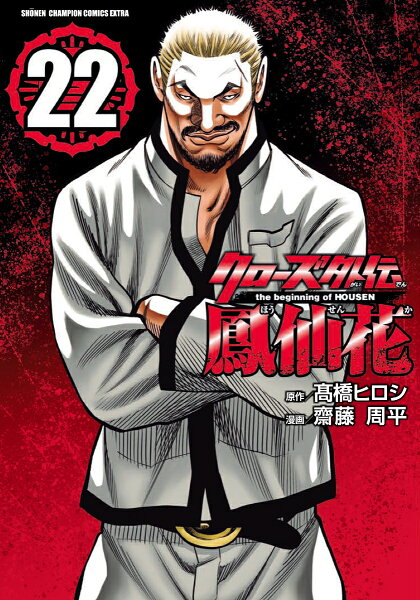
Crows
A review of Hiroshi Takahashi's Crows (クローズ) — 26 volumes in Bessatsu Shōnen Champion from 1990 to 1998. Harumichi Bouya arrives at Suzuran All-Boys High looking for a real fight and finds the most dangerous school in Japan.
Action / Comedy
Kyo Kara Ore Wa!!
Kyo Kara Ore Wa!! follows two completely ordinary high school students who, upon transferring to a new school, independently decide to reinvent themselves as the toughest delinquents around — and discover they are both surprisingly and absurdly effective at this.
Action / Drama
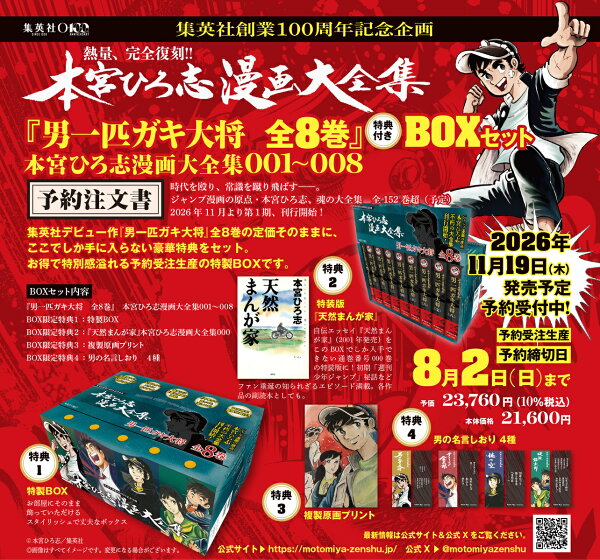
Otoko Ippiki Gaki Daisho
Otoko Ippiki Gaki Daisho follows Tora Otori, a young delinquent whose goal is not just to be the toughest kid in his school but to become the undisputed boss of the entire country — and who pursues this goal with a force of personality that makes followers out of former enemies.
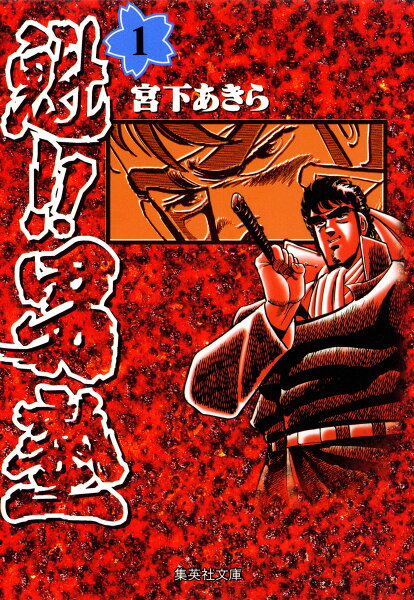
Action / Comedy
Sakigake!! Otokojuku
Otokojuku is a private school for delinquents where the curriculum consists entirely of brutal martial arts trials designed to forge men of iron will — and the manga is the story of Momotaro Tsurugi, who survives every trial while everyone else fails.
Action / Comedy
Chameleon
Chameleon follows Kazuki Edajima, an ordinary young man who wants to be a tough delinquent and keeps faking it until the situations he's created demand actual toughness — a comedy about the gap between the identity someone performs and the person they actually are.
Action / Comedy
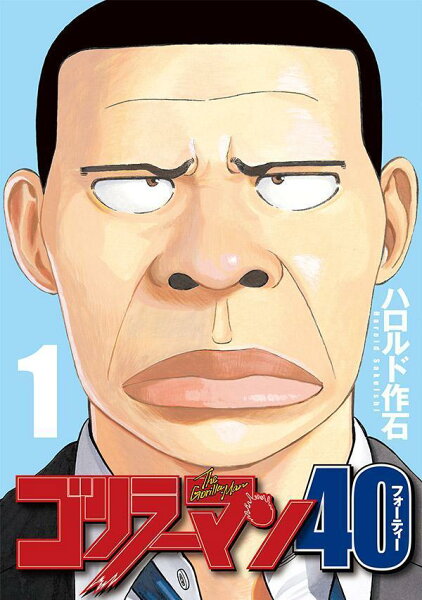
Gorillaman
Gorillaman follows Kumata Masao, a transfer student whose intimidating appearance — enormous, powerful, silent — leads everyone at his new school to assume he is the most dangerous delinquent alive, when in fact he simply wants to attend school without incident.
Written by
Yu
Manga Enthusiast from Japan
I grew up in Japan and manga literally saved me during a tough time in elementary school. My English isn't perfect, but my love for manga is real — and I want to share it with you.