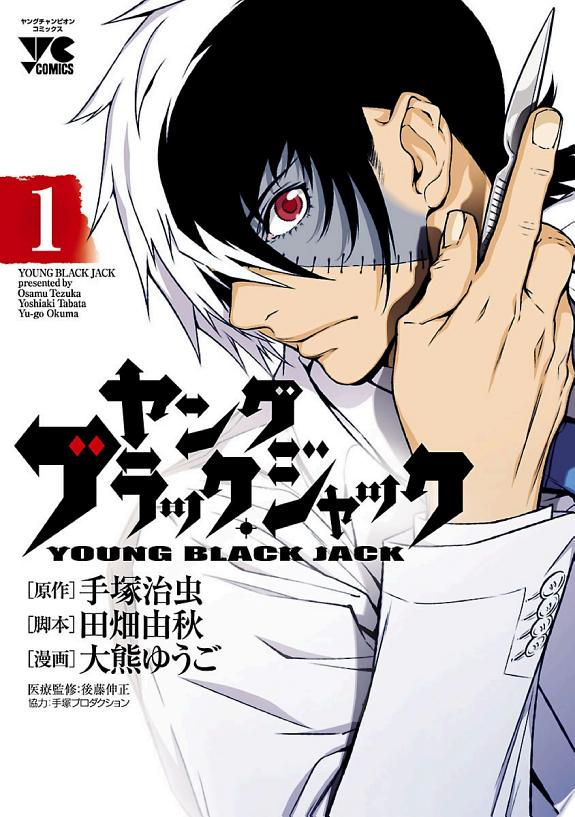
Young Black Jack Review: The Origin Story That Earns Its Place Next to Tezuka's Masterpiece
by Yoshiaki Tabata (story) / Yugo Okuma (art)
Read the first volume. If it doesn't hook you, put it down. It'll hook you.
Buy Young Black Jack on Amazon →*Affiliate link — I earn a small commission at no extra cost to you.
1960s Japan. Hazama Kuroo is a medical student with a scarred face and extraordinary surgical instincts — not yet Black Jack, not yet the legendary unlicensed doctor, but already the person who will become him. Each arc places young Hazama in a situation where his skills are needed outside normal channels: a patient no licensed doctor will treat, a surgery the system has declared impossible.
I'm Yu. What I love about this series is the question it asks about legitimacy — and what the 1960s gives it as context.
Quick Take
- Yoshiaki Tabata and Yugo Okuma's Young Black Jack (ヤングブラック・ジャック) ran in Weekly Young Champion — collected in 16 volumes, complete.
- No official English edition available; Japanese volumes at Amazon Japan.
- Rated M (Mature) — detailed surgical procedures; war imagery; political violence in student movement sequences.
Story Overview
Japan's student movement — the Zengakuren protests against the US-Japan Security Treaty — runs through several arcs, giving the series political texture the original Black Jack lacked. Young Hazama operates in a Japan that is itself in the process of becoming something new, and the question of what rules are worth following is as alive in the streets as it is in his operating theater.
The series traces how his experiences during this period shaped the doctor he will become — his specific moral code about credentials versus results, his willingness to operate outside permission structures, his relationship with the patients who would be abandoned by licensed medicine.
Characters
Young Hazama Kuroo — Before the cape, before the legendary reputation. Already extraordinary, already willing to operate where others won't, already possessed of the specific moral code that will define him. The series shows the experiences that built that code.
Pinoko — The origins of Hazama's relationship with his unusual ward are one of the series' most careful pieces of storytelling.
Historical and fictional supporting cast — Students, war veterans, establishment doctors, people caught between old and new — characters who embody the specific tensions of 1960s Japan.
What I Love About It
What I love is how the series handles the question of legitimacy.
Black Jack's whole premise is the unlicensed surgeon — someone who operates outside the medical establishment's permission structures but whose results are better than the establishment can produce. Young Black Jack traces where this attitude came from: a young man watching the medical system fail patients, watching licensed authority produce unjust outcomes, deciding that results matter more than credentials.
This is a moral position that requires context to be sympathetic rather than simply arrogant. The 1960s setting provides that context — Hazama is operating in a Japan where institutional authority is being questioned at every level. His choice to operate without permission is of a piece with the era he's living through.
Memorable Scene ⚠️ Spoiler Warning
An early arc involving a patient whose treatment requires Hazama to operate in secret under conditions that recall the origin of his scar — the surgery he performed on himself as a child. The parallel between past and present, and what it reveals about the continuity of his character, is the series' most emotionally precise moment.
Pros & Cons
Pros:
- The 1960s historical setting adds genuine depth to the medical drama.
- Respects Tezuka's source material while standing independently.
- Complete at 16 volumes.
- Okuma's art handles the challenge of working within Tezuka's visual legacy successfully.
Cons:
- No official English edition currently available.
- Benefits significantly from prior familiarity with Tezuka's Black Jack.
- The political content requires some historical knowledge to fully appreciate.
Is Young Black Jack Worth Reading?
Yes — for Black Jack fans and for readers interested in historical medical drama. Reading Tezuka's original Black Jack first deepens it, but the series works as a standalone for readers willing to encounter the original after. The 1960s setting is a genuine addition rather than just backdrop.
Who Is This Manga For?
- Black Jack fans who want the origin story of how Hazama became the unlicensed surgeon.
- Medical manga readers who want the genre in a historical setting.
- Readers interested in 1960s Japan — student movements, Vietnam War era, social transformation.
- Tezuka enthusiasts looking for quality work building on his legacy.
Official English Translation Status
No official English edition is currently available. Japanese volumes can be purchased through Amazon Japan.
Where to Buy
Japanese edition available at Amazon Japan.
Browse Young Black Jack on Amazon.co.jp →
This post contains affiliate links. If you purchase through these links, I may earn a small commission at no extra cost to you. As an Amazon Associate, I earn from qualifying purchases.
*Affiliate link — I earn a small commission at no extra cost to you.
More Manga You Might Like
Action / Drama
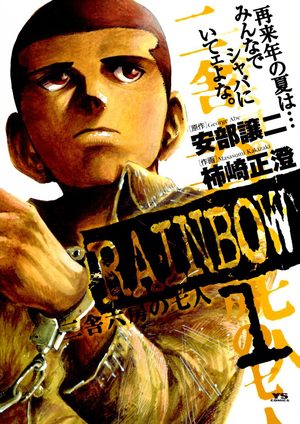
Rainbow: Nisha Rokubō no Shichinin
Yu's review of Rainbow — six juvenile delinquents are sent to a brutal reformatory in 1955 Japan and placed in Cell 6, where they bond with their cellmate Rokurouta Sakuragi, a former boxer who teaches them what it means to survive with dignity.
Action
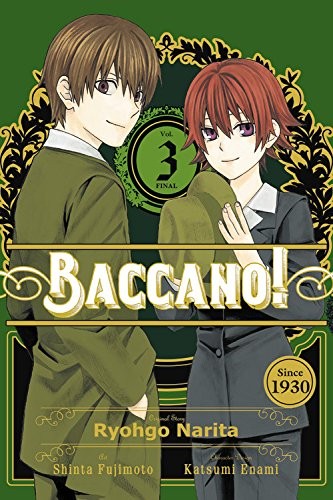
Baccano!
A review of the Baccano! manga by Shinta Fujimoto — the 3-volume Young Gangan adaptation of Ryohgo Narita's Grand Punk Railroad arc, where immortals, gangsters, and a bloody urban legend collide aboard the 1931 Flying Pussyfoot express.

Action / Drama
Oshi no Ko
Yu's review of Oshi no Ko — a doctor reincarnates as the son of the idol he worshipped, retaining his adult memories; he enters the entertainment industry to find his mother's killer while his twin sister becomes an idol herself.
Action / Drama
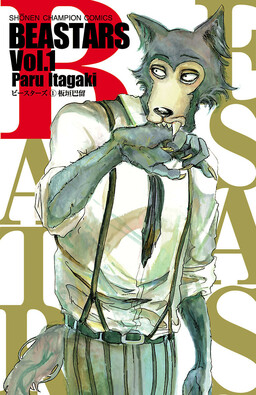
Beastars
Yu's review of Beastars — In a society of anthropomorphic animals where carnivores and herbivores live side by side, Legoshi is a gray wolf who is afraid of what he is. After a classmate is killed and eaten, he is pulled toward Haru, a tiny dwarf rabbit, and has to decide what kind of animal he wants to become.

Action / Thriller
Usogui
Baku Madarame — known as Usogui, 'the Liar Eater' — is the most extraordinary gambler in Kakerou, an underground organization that runs games where losers forfeit their lives. 49 volumes of escalating psychological warfare, complete, unlicensed in English.
Action / Drama
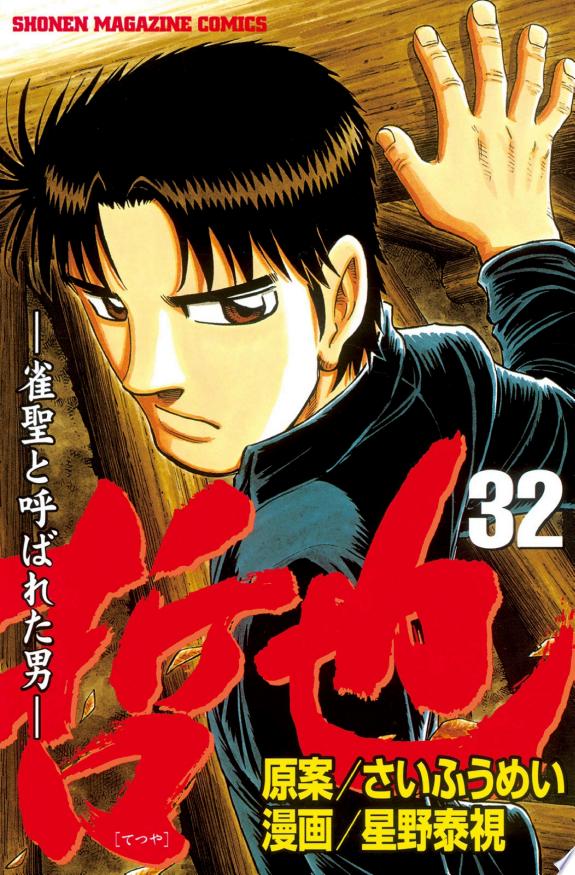
Tetsuya
Tetsuya follows a young man known as Tetsuya who becomes Japan's greatest underground mahjong player in the devastation of postwar Tokyo — using skill, psychological insight, and sometimes outright cheating to survive in a world where the stakes are always real.
Written by
Yu
Manga Enthusiast from Japan
I grew up in Japan and manga literally saved me during a tough time in elementary school. My English isn't perfect, but my love for manga is real — and I want to share it with you.
Disclosure: This post contains affiliate links. As an Amazon Associate, I earn from qualifying purchases at no extra cost to you.