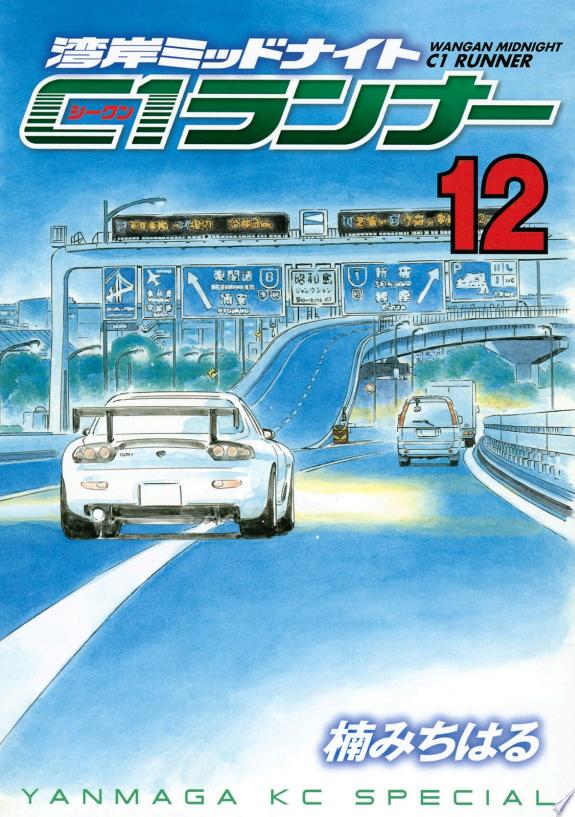
Wangan Midnight Review: The Street Racing Manga That Made the Highway Sacred
by Michiharu Kusunoki
Read the first volume. If it doesn't hook you, put it down. It'll hook you.
Buy Wangan Midnight on Amazon →*Affiliate link — I earn a small commission at no extra cost to you.
Quick Take
- The definitive street racing manga — Initial D's spiritual cousin, set on Tokyo's famous Bayshore Route.
- The Devil Z and its relationship to its drivers is one of manga's strangest and most compelling recurring elements.
- More philosophical about cars than Initial D — racing as a form of transcendence.
Who Is This Manga For?
- Fans of car and racing enthusiasts who want manga that understands the obsession from the inside
- Readers who enjoy readers who found Initial D compelling and want more street racing with added mysticism
- Anyone interested in classic seinen sports manga from the late 1980s through the 2000s
- People who like anyone fascinated by the Tokyo street racing subculture that shaped a generation of car culture
Content Warnings & Age Rating
Age Rating: T (Teen) Content Warnings: street racing, danger themes
Safe for most readers.
Yu's Rating
| Category | Score |
|---|---|
| Story Depth | ★★★★☆ |
| Art Style | ★★★★☆ |
| Character Development | ★★★★★ |
| Accessibility for Non-Japanese Readers | ★★★★☆ |
| Reread Value | ★★★★☆ |
Overall: 4/5 — Essential street racing manga — philosophical about speed in ways Initial D never was.
Story Overview
The Wangan — Tokyo's Bayshore Route — is where the fastest street racers test their machines at night. At its center is the Devil Z, a legendary S30 Fairlady Z with an almost supernatural power that drives its drivers to ruin. Akio Asakura acquires the Z and becomes part of the Wangan's mythology — racing, improving, and confronting the machine's strange pull on everyone who drives it.
Characters
The cast of Wangan Midnight is built around contrasting personalities that force each other to grow. The main character carries a mix of strength and vulnerability — enough to earn sympathy without feeling passive. Supporting characters each serve a distinct emotional function: some mirror the protagonist's flaws, others challenge their assumptions, and a few provide the warmth that makes the harder moments bearable.
Art Style
Michiharu Kusunoki's visual style suits the story it tells. Emotional moments land because facial expressions are drawn with real attention to subtlety — you rarely need dialogue to understand what a character is feeling. Background detail varies by scene, pulling back in quiet moments and getting tight and detailed when the stakes rise.
Cultural Context
Wangan Midnight comes from Tokyo's actual Bayshore Route (Wangan) night racing culture of the late 1980s-2000s, and the specifically Japanese relationship with cars as objects of artistic obsession rather than mere transportation. English readers will find most of this translates naturally; a few cultural notes in good translations help bridge any remaining gaps.
What I Love About It
The thing about Wangan Midnight that other racing manga don't have is the mythological quality of the Devil Z. It's not just a car — it's something that chooses its drivers and pushes them past their limits until they break or transcend. Kusunoki uses the car as a philosophical device to ask questions about obsession, limits, and what we're willing to risk for the experience of genuine speed. That's unusual and compelling.
What English-Speaking Fans Say
Western readers who find this series often describe it as something they wish they'd found sooner. The emotional beats translate well; the universal themes of connection, loss, and growth resonate regardless of cultural background. Fans of similar series consistently recommend it as a must-read for genre newcomers and veterans alike.
Memorable Scene ⚠️ Spoiler Warning
There is a moment — usually in the middle or final act — where the story does something unexpected with a character you thought you understood. The setup is careful and patient. The payoff is sudden and complete. Readers report rereading earlier chapters afterward, finding all the foreshadowing they missed the first time.
Similar Manga
If you enjoyed Wangan Midnight, try:
- Initial D — the most famous street racing manga, comparison inevitable
- MF Ghost — Initial D's sequel, newer cars, similar racing obsession
- Capeta — kart/formula racing manga with similar dedication to racing authenticity
Reading Order / Where to Start
Start from volume 1. This series builds its world and characters carefully from the first chapter — jumping in anywhere else means losing the context that makes later moments land. Volume 1 is a very strong opening; if you're not hooked by the end of it, this series may not be for you.
Official English Translation Status
Wangan Midnight is ongoing in English translation. New volumes are releasing regularly.
Pros & Cons
Pros:
- Ongoing with regular releases
- Strong character work and genuine emotional investment
- The philosophical treatment of speed and mechanical obsession is unique in the genre
Cons:
- 42 volumes is a massive commitment; English translation only covers 14
- The racing technical content requires some automotive knowledge to fully appreciate
Format Comparison
| Format | Pros | Cons |
|---|---|---|
| Physical | Best art reproduction | May require ordering online |
| Digital | Instant access, cheaper | Less collector value |
| Used | Very affordable | Condition and availability vary |
Where to Buy
Read the first volume. If it doesn't hook you, put it down. It'll hook you.
This post contains affiliate links. If you purchase through these links, I may earn a small commission at no extra cost to you. As an Amazon Associate, I earn from qualifying purchases.
*Affiliate link — I earn a small commission at no extra cost to you.
More Manga You Might Like
Action / Sports
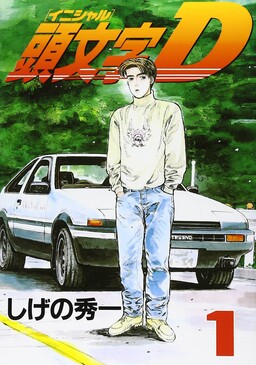
Initial D
Yu's review of Initial D — Takumi Fujiwara has been delivering tofu for his father up and down the mountain roads of Akina since he was a child; without knowing it, he has become Japan's most technically precise drift racer; the discovery of this fact is the beginning of the story.
Sports / Action
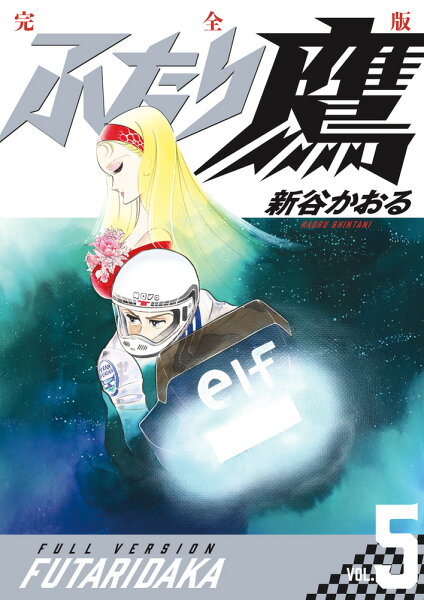
Futari Taka
Futari Taka follows two rivals in motocross — Taka Mutsu and Taka Mikuni — whose competition defines both of them and becomes the closest thing each has to a relationship with someone who truly understands them.
Action / Drama
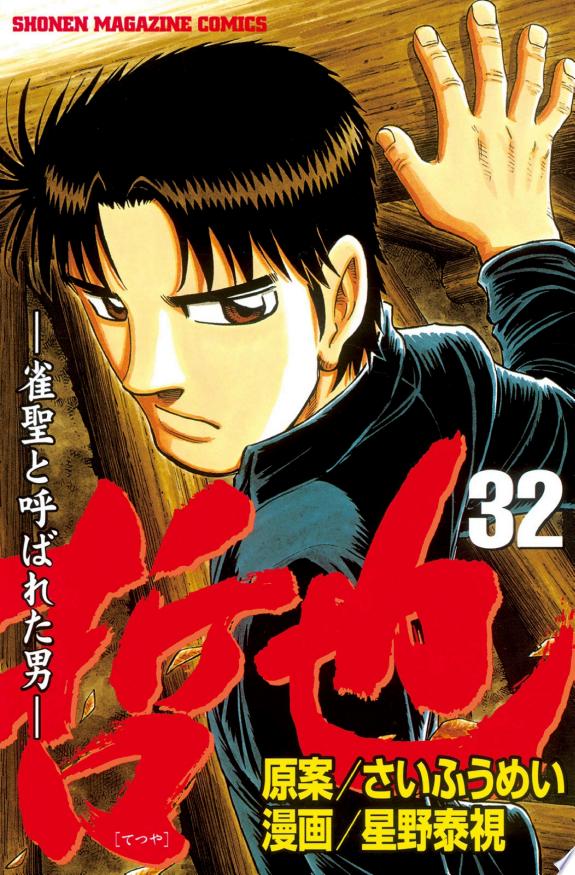
Tetsuya
Tetsuya follows a young man known as Tetsuya who becomes Japan's greatest underground mahjong player in the devastation of postwar Tokyo — using skill, psychological insight, and sometimes outright cheating to survive in a world where the stakes are always real.
Action / Crime
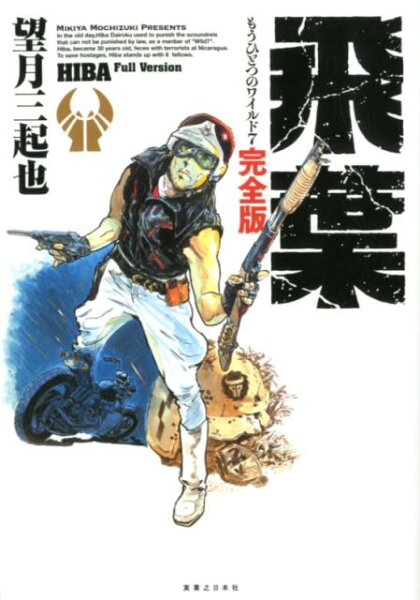
Wild 7
Wild 7 follows a special police unit composed of convicted criminals given a second chance — authorized to use lethal force against criminals the law cannot otherwise reach, operating on motorcycles and outside the normal rules of law enforcement.
Action / Sports
Musashi no Ken
Musashi no Ken follows Musashi Nanaori, a boy born into a kendo family who grows up pursuing the sport that defines his father and his destiny — a classic Weekly Shonen Sunday kendo manga that tracked its protagonist from childhood through young adulthood.
Action
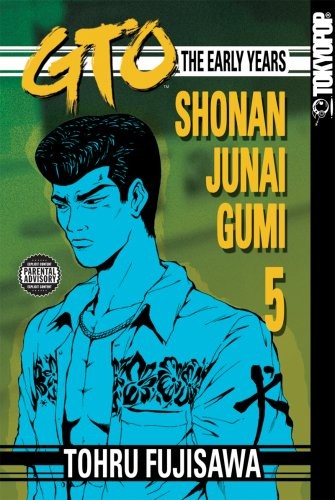
Shonan Junai Gumi
A review of Shonan Junai Gumi — the prequel to Great Teacher Onizuka, following Eikichi Onizuka and Ryuji Danma as high school delinquents in Shonan.
Written by
Yu
Manga Enthusiast from Japan
I grew up in Japan and manga literally saved me during a tough time in elementary school. My English isn't perfect, but my love for manga is real — and I want to share it with you.
Disclosure: This post contains affiliate links. As an Amazon Associate, I earn from qualifying purchases at no extra cost to you.