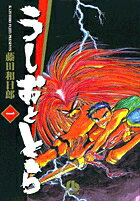
Ushio and Tora Review: A Boy Releases a Monster Pinned Under a Temple, and They Have to Save the World Together
by Kazuhiro Fujita
Read the first volume. If it doesn't hook you, put it down. It'll hook you.
Buy Ushio and Tora on Amazon →*Affiliate link — I earn a small commission at no extra cost to you.
Quick Take
- A classic 1990s supernatural action manga about a boy and a monster who call each other enemies while saving each other repeatedly — 33 volumes, complete
- Kazuhiro Fujita's yokai action is full of genuine warmth beneath the fighting — Tora is one of manga's finest supporting characters
- The 2015 anime adaptation brought new readers; the manga is the complete version
Who Is This Manga For?
- Readers who want completed supernatural action manga with a genuine emotional core
- Fans of yokai manga who want long-form storytelling rather than anthology
- Anyone who enjoys reluctant-alliance character dynamics taken to their logical conclusion
- Readers who want 90s-era shonen action that holds up
Content Warnings & Age Rating
Age Rating: T (Teen) Content Warnings: Yokai action violence; some horror spirit designs; emotional character deaths that are not softened
The deaths matter. Fujita does not protect the reader from them.
Yu's Rating
| Category | Score |
|---|---|
| Story Depth | ★★★★★ |
| Art Style | ★★★★☆ |
| Character Development | ★★★★★ |
| Accessibility for Non-Japanese Readers | ★★★★☆ |
| Reread Value | ★★★★★ |
Story Overview
Ushio Aotsuki's family runs a temple. Under the temple's storehouse, pinned by a sacred spear for 500 years, is a massive beast-spirit. Ushio pulls the spear out to fight yokai attacking his town. Tora is free.
Tora intends to eat Ushio. Ushio holds the sacred spear, which keeps Tora from eating him. They travel Japan — Tora following to wait for his chance; Ushio fighting the supernatural threats they encounter along the way.
Over 33 volumes, the series builds toward a final confrontation with Hakumen no Mono — the ancient evil that created the situation that imprisoned Tora in the first place.
Characters
Ushio Aotsuki — Loud, brave, dense about his feelings in exactly the shonen way — but Fujita gives him a specific emotional life that emerges across the series in ways that the archetype rarely achieves.
Tora — One of manga's finest supporting characters. He is genuinely dangerous, genuinely intends to eat Ushio, and is also, across 33 volumes, in a relationship with Ushio that neither of them will name. His specific combination of threat and loyalty is the series' greatest achievement.
Asako and Mayuko — The two girls in Ushio's life; their specific places in the series' emotional structure are handled with more care than 90s manga typically gave female characters.
Art Style
Fujita's art is of its era — 90s shonen with elaborate monster designs and expressive character work. The yokai designs are inventive and the final arc's visuals are among the series' finest. Tora specifically is drawn with the specific weight of something genuinely ancient and dangerous.
Cultural Context
Japanese yokai tradition — the monsters, spirits, and supernatural entities of Japanese folklore — is the series' monster catalogue. Tora himself is a mythological type; many of the supernatural threats Ushio and Tora encounter are drawn from actual yokai tradition, which Fujita researched and depicts with respect.
What I Love About It
Volume 33. The series ends. What Tora does at the end is what 32 volumes of "I will eat you someday" always meant, and Fujita executes it with complete clarity. The series earns its ending.
What English-Speaking Fans Say
Western readers who find Ushio and Tora — often through the 2015 anime — describe it as one of the most genuinely affecting supernatural action manga they have read. Tora is cited as the reason consistently. The ending is described as one of the few manga endings that completely satisfies.
Memorable Scene ⚠️ Spoiler Warning
The final confrontation with Hakumen no Mono — and what Tora does in it — is the series' most significant action sequence and the culmination of everything Fujita built. I am not describing it. Find it yourself.
Similar Manga
- Natsume's Book of Friends — Yokai, gentle register, same cultural tradition
- InuYasha — Ancient supernatural being traveling with a human, similar dynamic
- Dororo — Supernatural Japan, similar era and aesthetic
- Blue Exorcist — Supernatural action with parent-figure relationships
Reading Order / Where to Start
Volume 1 — the storehouse scene and Tora's release is the series' foundation.
Official English Translation Status
VIZ Media published the complete 33-volume series. All volumes available.
Pros & Cons
Pros
- 33 volumes, complete
- Tora is one of manga's greatest characters
- The ending is one of manga's finest
- The yokai tradition is depicted with genuine research
Cons
- 33 volumes is a significant commitment
- 90s art style requires adjustment for readers used to contemporary manga
- Some mid-series arcs are thinner than the main narrative
Format Comparison
| Format | Notes |
|---|---|
| Individual Volumes | VIZ Media; standard |
| Digital | Available |
Where to Buy
Read the first volume. If it doesn't hook you, put it down. It'll hook you.
This post contains affiliate links. If you purchase through these links, I may earn a small commission at no extra cost to you. As an Amazon Associate, I earn from qualifying purchases.
*Affiliate link — I earn a small commission at no extra cost to you.
More Manga You Might Like
Action / Supernatural
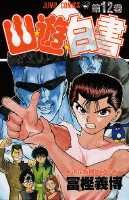
Yu Yu Hakusho
A review of Yu Yu Hakusho — 19 volumes in Weekly Shonen Jump. Yusuke Urameshi dies heroically saving a child, is recruited as a Spirit Detective to investigate supernatural cases, and grows from a delinquent who doesn't care about anything into someone with people worth protecting. The series Togashi made before Hunter x Hunter. VIZ Media's English edition is complete.
Action / Supernatural
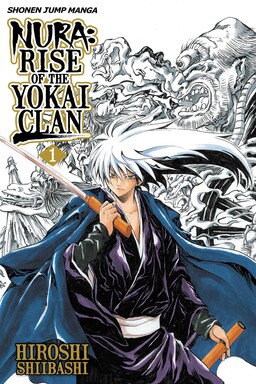
Nura: Rise of the Yokai Clan
Yu's review of Nura: Rise of the Yokai Clan — Rikuo Nana is one-quarter yokai and grandson of Nurarihyon, the Supreme Commander of all yokai; during the day he lives as an ordinary middle schooler who wants nothing to do with the supernatural; at night his yokai blood awakens and he becomes something else entirely; as rival yokai clans threaten his grandfather's domain, Rikuo must decide whether to embrace his heritage.
Action / Supernatural
Bleach
Yu's review of Bleach — 74 volumes of the most stylish, visually stunning manga ever serialized in Shonen Jump. The story is wild and sometimes uneven, but the aesthetic, the fights, and the characters are unforgettable.
Action / Adventure
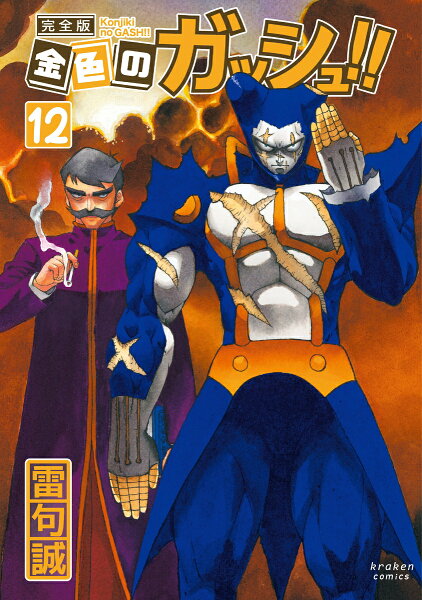
Zatch Bell!
A review of Zatch Bell! — 33 volumes in Weekly Shonen Sunday. Genius middle schooler Kiyo Takamine partners with demon child Zatch Bell in a battle royale of 100 demon/human pairs competing to become King of the Mamodo World; Zatch wants to be a kind king. The manga that made an entire generation cry about a book burning. VIZ Media's English edition is complete.
Action / Historical
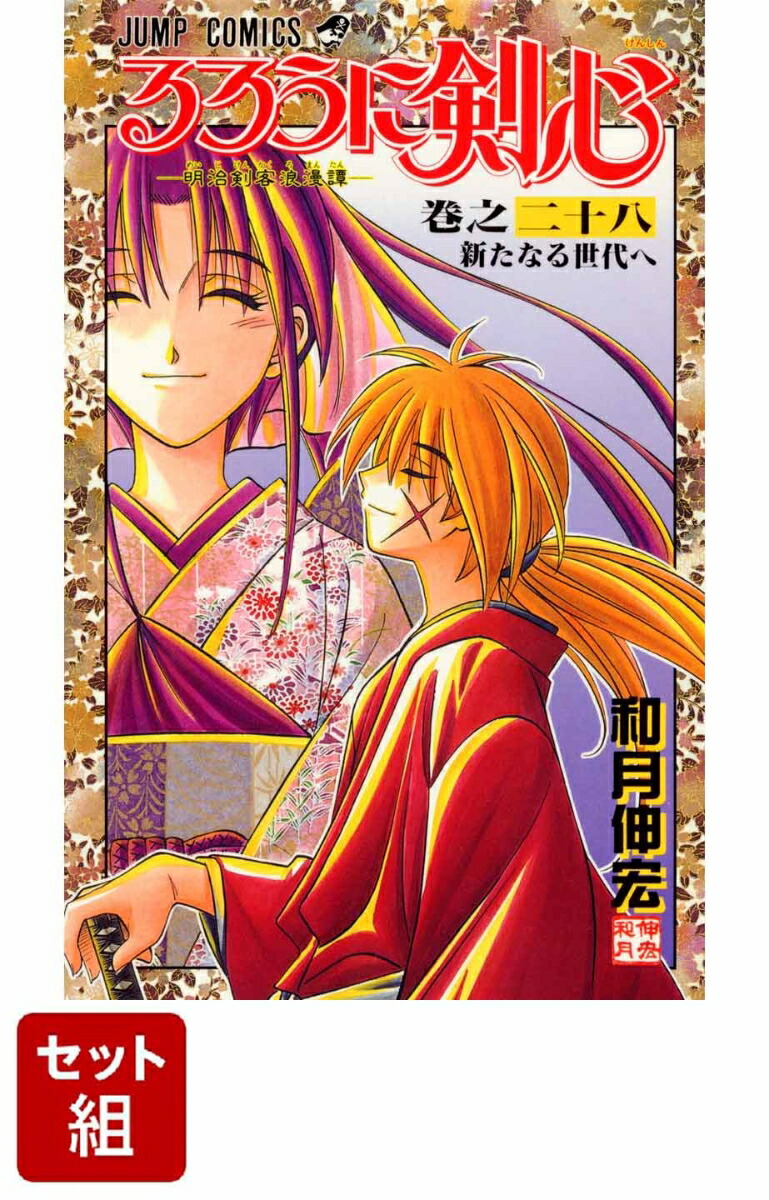
Rurouni Kenshin
A review of Rurouni Kenshin — 28 volumes in Weekly Shonen Jump. Himura Kenshin was Japan's most feared assassin of the Bakumatsu; he now wanders with a reverse-blade sword, trying to protect without killing. The Kyoto Arc is one of the greatest extended arcs in manga, and Shishio is the genre's finest villain. VIZ Media's English edition is complete.
Action / Adventure
Naruto
A review of Naruto — 72 volumes in Weekly Shonen Jump. Uzumaki Naruto is a boy with the Nine-Tailed Fox sealed inside him, rejected by his village, dreaming of becoming Hokage not for power but to be seen. The most emotionally resonant outcast-to-legend arc in manga. VIZ Media's English edition is complete.
Written by
Yu
Manga Enthusiast from Japan
I grew up in Japan and manga literally saved me during a tough time in elementary school. My English isn't perfect, but my love for manga is real — and I want to share it with you.