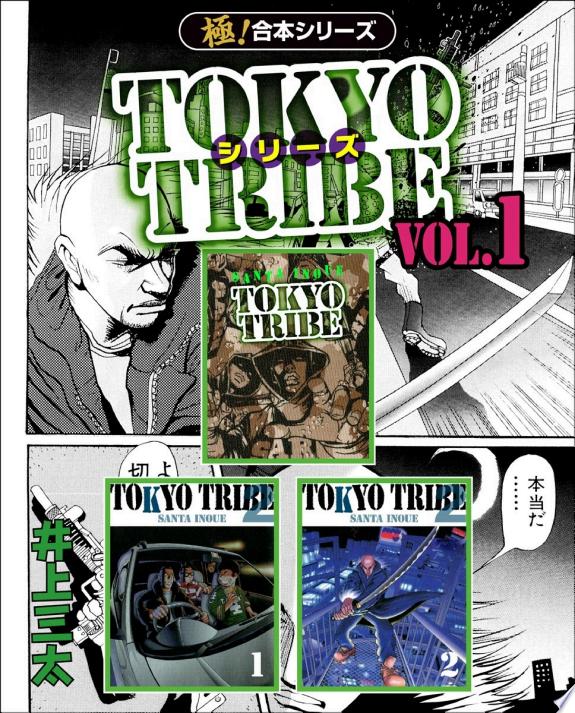
Tokyo Tribes Review: Street Culture, Gang Wars, and a Tokyo That Doesn't Exist Anywhere Else
by Santa Inoue
Read the first volume. If it doesn't hook you, put it down. It'll hook you.
Buy Tokyo Tribes on Amazon →*Affiliate link — I earn a small commission at no extra cost to you.
The gangs are the setting. The street culture is the world. The fights are what happens when both run out of room.
Quick Take
- A stylized gang manga built entirely on Tokyo hip-hop street culture aesthetics — the world-building is the point
- Santa Inoue's art and visual design are exceptional; the story is looser than the setting
- 7 complete volumes; a genre artifact that represents a specific cultural moment
Who Is This Manga For?
- Readers interested in 1990s-2000s Tokyo street culture and its visual language
- Fans of stylized action manga where the aesthetic carries as much weight as the plot
- People drawn to manga that builds worlds through visual accumulation rather than exposition
- Anyone who wants gang manga that takes its cultural context seriously
Content Warnings & Age Rating
Age Rating: M (Mature) Content Warnings: Gang violence, drug references, strong language, nudity, sexual content
This is a mature gang manga. The content matches the context.
Yu's Rating
| Category | Score |
|---|---|
| Story Depth | ★★★☆☆ |
| Art Style | ★★★★★ |
| Character Development | ★★★☆☆ |
| Accessibility for Non-Japanese Readers | ★★★★☆ |
| Reread Value | ★★★★☆ |
Story Overview
In a near-future fictionalized Tokyo, the city is divided among youth tribes — each controlling territory, living by codes, dressed in distinct visual identities that mark their affiliations. The tribes have maintained an uneasy peace for years. The story follows what happens when that peace ends.
The protagonist ensemble is centered around Mera and Kai — leaders from rival tribes whose rivalry is personal as much as territorial — and the various characters who orbit them. The conflict escalates from street-level friction to something more organized and more dangerous.
But plot summary undersells what Tokyo Tribes actually is: it's a world built from visual culture. Inoue's real project was to render a version of Tokyo defined by hip-hop, graffiti, club culture, and street fashion — a city that exists in the intersection of American hip-hop influence and Japanese youth culture. The story gives this world a reason to show you everything it contains.
Characters
Mera — The antagonist with protagonist energy. His rage has a history the manga eventually explains.
Kai — The peacemaker whose refusal to fight drives the conflict in specific ways.
The tribe ensemble — Large and visually distinct. Inoue differentiates each tribe through design — clothing, aesthetics, behavior — before individual characters become identifiable.
Art Style
Santa Inoue's art is the reason Tokyo Tribes is remembered. His visual vocabulary — graffiti aesthetics absorbed into panel composition, hip-hop fashion rendered in loving detail, cityscapes built from the specific textures of late 1990s Tokyo — is genuinely original. The action sequences are kinetic and graphically clear. The design work is the best in any manga of its genre.
The art doesn't just illustrate the world; it constitutes it. Read Tokyo Tribes for the art even if the story doesn't fully engage you.
Cultural Context
Tokyo Tribes emerged from a specific moment in Japanese youth culture: the late 1990s integration of American hip-hop aesthetics into Japanese street life. B-boy culture, graffiti, freestyling, clothing tribes — these were real phenomena in Tokyo's youth scene, and Inoue drew from observation as much as invention.
The manga is a documentation as much as a fiction. The Tokyo it depicts didn't exist exactly as shown, but the cultural materials it was built from were real.
What I Love About It
The establishing pages of each arc — the spreads where Inoue shows you a piece of Tokyo and the people living in it, before the plot machinery starts. Those pages are the manga at full expression. Inoue built a world and those pages show it existing on its own terms, not as backdrop.
What English-Speaking Fans Say
Cult status among readers interested in street culture manga. The art is universally praised. The story is considered good-not-great by most readers — compelling enough to move through but not what the manga will be remembered for. The cultural documentation angle is noted as the manga's most lasting contribution.
Memorable Scene ⚠️ Spoiler Warning
The flashback that explains Mera — his history before the tribe, what formed him — is the moment where the manga stops being about aesthetic cool and becomes about the cost of building an identity from violence. It doesn't redeem him or condemn him. It just explains him.
Similar Manga
| Title | Its Approach | How Tokyo Tribes Differs |
|---|---|---|
| Crows | Gang manga set in schools | Crows is more focused on individual strength; Tokyo Tribes is more about culture and world-building |
| Air Gear | Street culture sports/action | Air Gear is more fantastical; Tokyo Tribes is grounded in realistic street aesthetics |
| Young GTO | School delinquent culture | Young GTO is more comedic; Tokyo Tribes is more serious and cultural |
Reading Order / Where to Start
Volume 1, straight through. The world is established immediately.
Official English Translation Status
Viz Media published all 7 volumes in English. Complete and available.
Pros & Cons
Pros
- Exceptional art and world-building through visual culture
- A genuine cultural document of a specific moment in Tokyo youth culture
- Complete 7-volume story
- The gang conflict has actual stakes
Cons
- The story is looser than the art deserves
- Large ensemble can be hard to track without the visual cues
- Mature content limits the audience
- Not for readers who need narrative depth to match visual depth
Is Tokyo Tribes Worth Reading?
For art-focused readers and street culture enthusiasts — yes. The visual world is worth the journey even when the story doesn't fully match it.
Format Comparison
| Format | Pros | Cons |
|---|---|---|
| Physical | Inoue's art demands print viewing | — |
| Digital | More accessible | Screen may not fully render fine detail |
| Omnibus | No omnibus available | — |
Where to Buy
Read the first volume. If it doesn't hook you, put it down. It'll hook you.
This post contains affiliate links. If you purchase through these links, I may earn a small commission at no extra cost to you. As an Amazon Associate, I earn from qualifying purchases.
*Affiliate link — I earn a small commission at no extra cost to you.
More Manga You Might Like
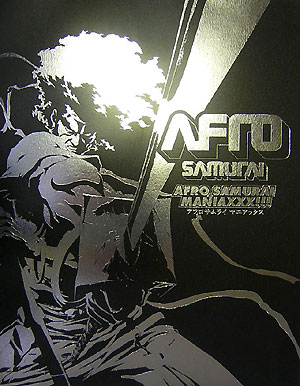
Action / Samurai
Afro Samurai
A review of Afro Samurai — Takashi Okazaki's hip-hop-soaked samurai revenge manga, where the final duel is the one Afro never gets to fight.
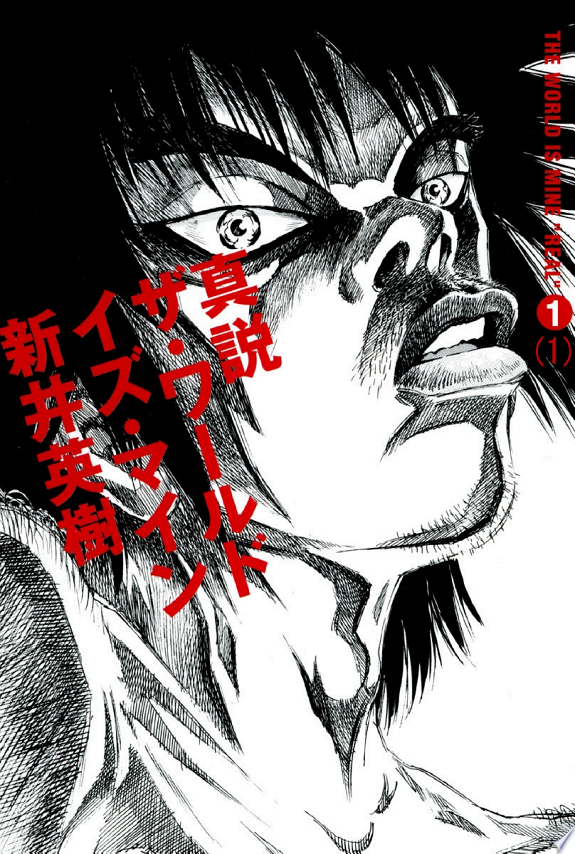
Action / Crime
The World Is Mine
The World Is Mine follows two criminal partners — the unpredictable Mon and the calculating Toshi — on a violent crime spree across Japan, alongside a separate thread about a mysterious monster emerging in the wilderness.
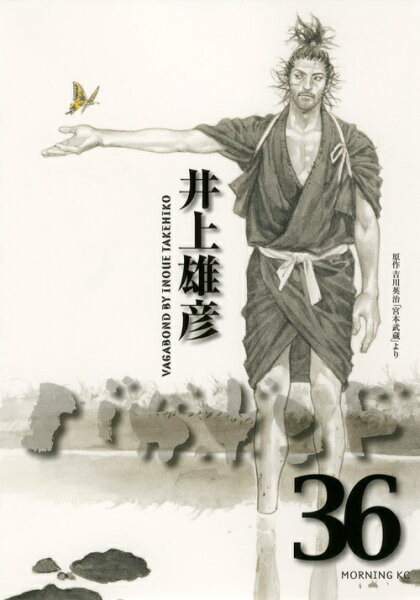
Action / Historical
Vagabond
Yu's review of Vagabond — a manga about the historical Miyamoto Musashi's journey to become the greatest swordsman alive, and his gradual understanding that invincibility is not the same as wisdom. Visually the most beautiful manga ever published.
Action / Comedy
The Fable
Yu's review of The Fable — Akira (codename 'The Fable') is considered the deadliest assassin in Japan; his boss orders him to take a year off and live as an ordinary person without killing anyone; the comedy of an extraordinarily dangerous man trying and mostly succeeding at being normal while the criminal world swirls around him.
Action
Tekkon Kinkreet
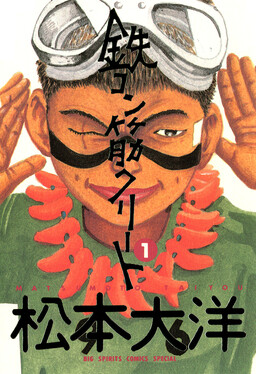
Yu's review of Tekkon Kinkreet — Black and White are two orphaned street kids who rule Treasure Town from the rooftops; when organized crime moves in to develop the city, Black and White must fight to keep what they consider theirs; a visually revolutionary manga about the psychic cost of violence and the specific love between two people who only have each other.
Action / Historical
Lone Wolf and Cub
Yu's review of Lone Wolf and Cub — Ogami Ittō was the Shogunate's official executioner; framed for treason by the Yagyū clan, stripped of his position, his wife murdered; he chose the Meifumadō — the road to hell — placing his infant son Daigorō before a ball and a sword, and the child chose the sword; they travel as assassins for hire, seeking vengeance.
Written by
Yu
Manga Enthusiast from Japan
I grew up in Japan and manga literally saved me during a tough time in elementary school. My English isn't perfect, but my love for manga is real — and I want to share it with you.
Disclosure: This post contains affiliate links. As an Amazon Associate, I earn from qualifying purchases at no extra cost to you.