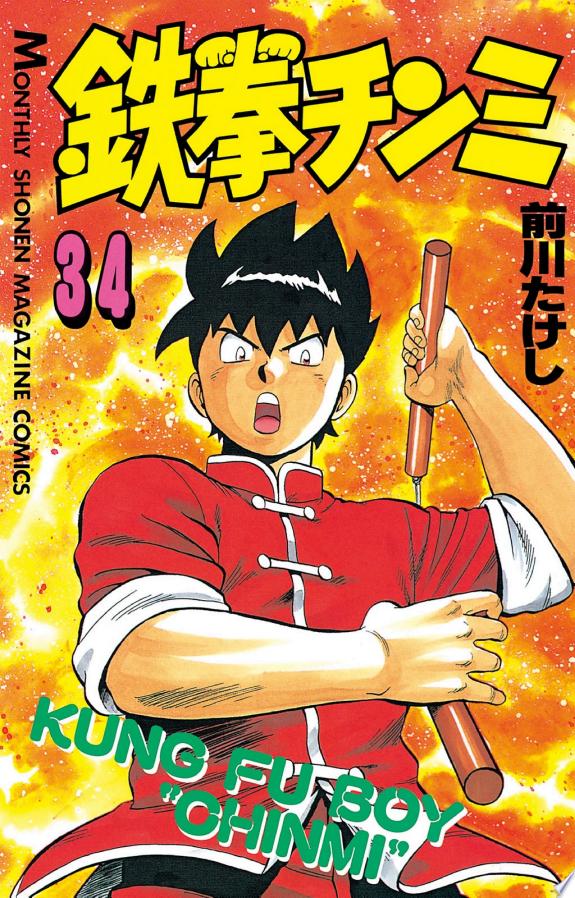
Tekken Chinmi Review: The Kung Fu Manga That Trained Its Hero in China and Brought Him Back Unstoppable
by Takeshi Maekawa
Read the first volume. If it doesn't hook you, put it down. It'll hook you.
Buy Tekken Chinmi on Amazon →*Affiliate link — I earn a small commission at no extra cost to you.
He walked into a Chinese temple knowing nothing. He walked out knowing things that couldn't be untaught.
Quick Take
- Takeshi Maekawa's 34-volume kung fu manga — Chinmi's training journey at the Dairin Temple, from enthusiastic beginning to mastery
- A complete martial arts education as manga narrative — each training arc adds techniques and the opponent who demands them
- One of Weekly Shonen Magazine's defining martial arts series of the 1980s
Who Is This Manga For?
- Martial arts manga readers who want kung fu specifically, with genuine attention to Chinese martial arts traditions
- Training arc enthusiasts who want the development from novice to expert depicted completely
- Classic shonen manga readers who want the 1980s Weekly Shonen Magazine style at its peak
- Anyone fascinated by the idea of a young person going somewhere completely foreign and coming out transformed
Content Warnings & Age Rating
Age Rating: T (Teen) Content Warnings: Martial arts combat, training intensity, action violence. Nothing graphic.
Suitable for most readers.
Yu's Rating
| Category | Score |
|---|---|
| Story Depth | ★★★★☆ |
| Art Style | ★★★★☆ |
| Character Development | ★★★★☆ |
| Accessibility for Non-Japanese Readers | ★★★☆☆ |
| Reread Value | ★★★☆☆ |
Story Overview
Chinmi is a Japanese boy of unusual physical gifts who enters the Dairin Temple in China to study kung fu. The temple's training is demanding — physical, mental, and spiritual — and Chinmi's development across the series is both athletic and personal. Each training stage introduces new techniques and the specific understanding they require.
The series uses the classic martial arts manga structure: training arc, then an opponent who tests what was learned, then the next training arc that addresses what the opponent revealed as insufficient. This structure is well-established and Maekawa executes it with exceptional clarity — the training sequences have real technique content, and the battles test what was learned rather than just escalating spectacle.
What makes Tekken Chinmi hold up across 34 volumes is Chinmi's character. He is enthusiastic, genuinely curious about kung fu's depths, and willing to acknowledge when he doesn't know something. The determination is there — this is shonen manga — but it doesn't substitute for actual development.
Characters
Chinmi: A protagonist whose enthusiasm and willingness to learn are his defining qualities — his development is genuine because his starting point is honest ignorance rather than hidden talent waiting to emerge.
The temple masters: Each teaches something specific, and the teaching relationships are drawn with enough specificity that each master feels like an individual rather than a training-arc placeholder.
The opponents: Each significant opponent tests a different aspect of what Chinmi has learned — the matchups are structured to reveal both what he can do and what he still needs.
Art Style
Maekawa's art handles kung fu movement with technical appreciation — the stances, the strikes, the particular physical demands of different techniques. The Dairin Temple setting is rendered with attention to Chinese architectural and cultural detail. Character designs are distinct and expressive, particularly in the combat sequences where emotion and technique must coexist.
Cultural Context
Tekken Chinmi ran in Weekly Shonen Magazine from 1983 to 1993. The series appeared during the height of kung fu's popularity in Japan — following the Bruce Lee films and the wave of Hong Kong martial arts cinema that followed. The choice to set the training in China rather than Japan was specifically connected to that cultural moment.
A sequel, "Shin Tekken Chinmi," followed with the same protagonist in later years.
What I Love About It
I love the temple.
The Dairin Temple is a place — not just a setting. It has its hierarchy, its traditions, its particular relationship to the martial arts it teaches. Chinmi's development happens in a specific cultural context, not just in a generic "training arc" environment. The temple's personality shapes what Chinmi becomes in ways that a more generic training setting couldn't.
What English-Speaking Fans Say
Known among dedicated martial arts manga readers and fans of classic Weekly Shonen Magazine from the 1980s. Recognized as among the better kung fu training manga of its era — technically interested and genuinely invested in the Chinese martial arts tradition. Less widely known than same-era Jump martial arts manga but appreciated by those who find it.
Memorable Scene ⚠️ Spoiler Warning
The moment when Chinmi uses a technique he has only just learned in actual combat — the split-second decision to apply incomplete knowledge in a real situation, and what it reveals about whether understanding preceded or followed the action. The scene captures the martial arts training paradox: you can't fully understand something until you've used it, but using it incorrectly has consequences.
Similar Manga
| Title | Its Approach | How Tekken Chinmi Differs |
|---|---|---|
| Shura no Mon | Japanese martial arts with invincible style | Kung fu specifically, temple training rather than inherited style — learning rather than carrying |
| Ranma 1/2 | Martial arts comedy with Chinese setting | Tekken Chinmi is serious rather than comedic — the Chinese setting is treated with respect |
| Hajime no Ippo | Boxing training from complete beginner to professional | Kung fu rather than boxing — the cultural context of a foreign martial arts tradition |
Reading Order / Where to Start
Volume 1. The training begins at the beginning and the development depends on the foundation established in the early volumes.
Official English Translation Status
Tekken Chinmi has no official English translation.
Pros & Cons
Pros
- Genuine attention to Chinese martial arts techniques and traditions
- The training structure is executed with exceptional clarity
- Complete at 34 volumes with a satisfying character arc
- Chinmi's enthusiasm makes the training sequences engaging rather than rote
Cons
- No English translation
- Chinese martial arts context requires some engagement
- 34 volumes is a significant commitment
- The formula (training → opponent → training) becomes visible across that length
Is Tekken Chinmi Worth Reading?
For martial arts manga readers who want kung fu specifically and a complete training arc from novice to master, yes — the execution is careful and the temple setting gives the series cultural specificity that generic martial arts manga lacks. For readers who need faster pacing or want power escalation over actual development, the steady training structure may feel slow. The commitment required is worth it for the right reader.
Format Comparison
| Format | Notes |
|---|---|
| Physical | Japanese editions available |
| Digital | Available in Japanese |
| Omnibus | Collected editions available |
Where to Buy
No English release yet. That just means you find it before everyone else does.
*Affiliate link — I earn a small commission at no extra cost to you.
More Manga You Might Like

Action / Martial Arts
Garouden
Garouden follows Bunshichi Tanba, a former judoka who operates in the underground fighting world — a manga drawn by Jiro Taniguchi with psychological depth and physical authenticity rare in fighting manga.
Action / Comedy
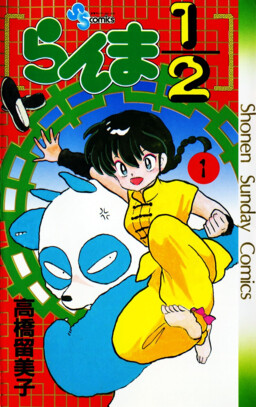
Ranma ½
A review of Ranma ½ — 38 volumes in Weekly Shonen Sunday. Ranma Saotome transforms into a girl when splashed with cold water; his father has arranged him to be engaged to Akane Tendo, who hates boys; the series follows their chaotic not-quite-relationship and increasingly bizarre martial arts challenges. Rumiko Takahashi's most kinetic work. VIZ Media's English edition is complete.
Action / Adventure
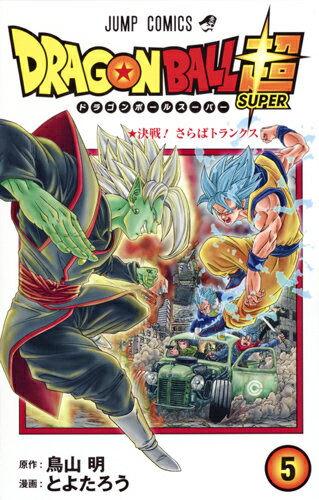
Dragon Ball
A review of Dragon Ball — 42 volumes in Weekly Shonen Jump. Son Goku's journey from a boy in the wilderness to the strongest being in the universe — the manga that defined what shonen action could be and that every battle manga since has owed something to. VIZ Media's English edition is complete.
Action / Martial Arts
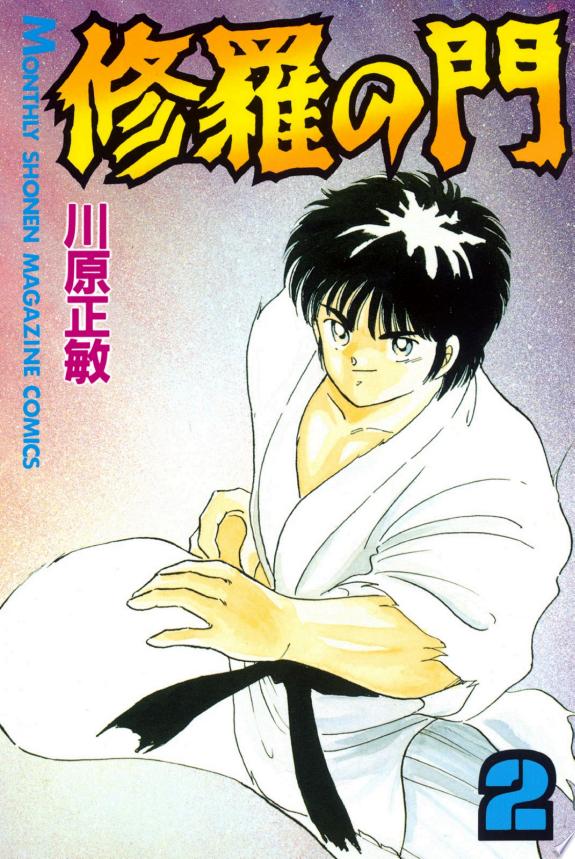
Shura no Mon
A review of Masatoshi Kawahara's Shura no Mon — 31 volumes in Monthly Shōnen Magazine from April 1987 to November 1996. Tsukumo Mutsu inherits an ancient killing art and faces every major martial discipline in modern Japan.
Action / Sci-Fi
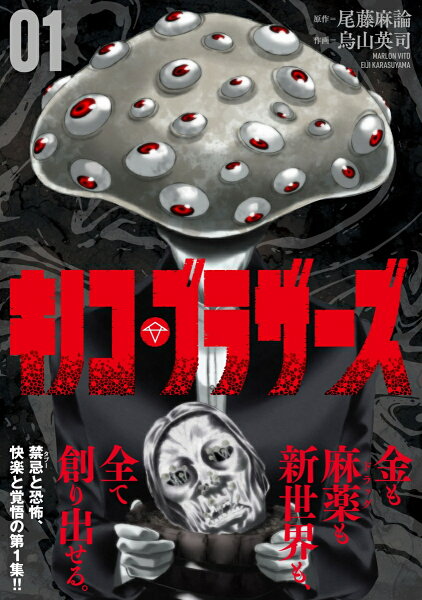
Cobra
Cobra is the greatest space pirate who ever lived — charming, unstoppable, and armed with the Psychogun fused to his arm — in a galaxy-spanning adventure that turned stylish cool into a manga philosophy.
Action / Adventure
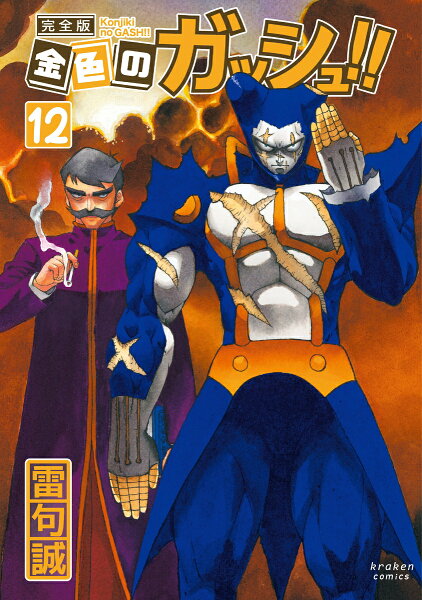
Zatch Bell!
A review of Zatch Bell! — 33 volumes in Weekly Shonen Sunday. Genius middle schooler Kiyo Takamine partners with demon child Zatch Bell in a battle royale of 100 demon/human pairs competing to become King of the Mamodo World; Zatch wants to be a kind king. The manga that made an entire generation cry about a book burning. VIZ Media's English edition is complete.
Written by
Yu
Manga Enthusiast from Japan
I grew up in Japan and manga literally saved me during a tough time in elementary school. My English isn't perfect, but my love for manga is real — and I want to share it with you.