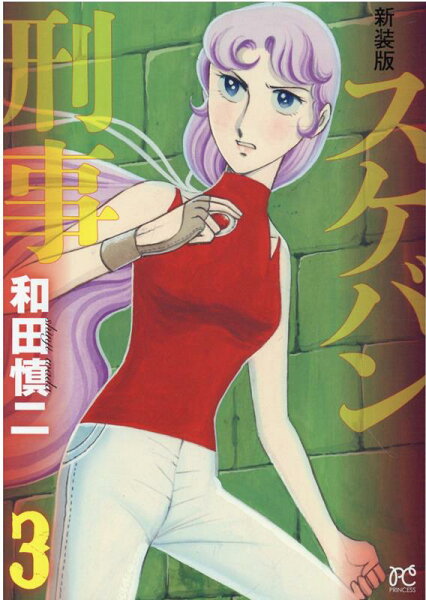
Sukeban Deka Review: The Delinquent Girl with a Yo-Yo Who Became a Shoujo Icon
by Shinji Wada
Read the first volume. If it doesn't hook you, put it down. It'll hook you.
Buy Sukeban Deka on Amazon →*Affiliate link — I earn a small commission at no extra cost to you.
Quick Take
- One of shoujo manga's great action series — predating many of the conventions it established
- The steel yo-yo as weapon is as iconic as any weapon in manga history
- Saki Asamiya's combination of toughness and vulnerability created a template for decades of female action protagonists
Who Is This Manga For?
- Classic shoujo fans interested in the action end of the genre's spectrum
- Manga historians studying the origins of the female action hero in Japanese comics
- Fans of undercover/police-drama stories with a delinquent-culture setting
- Anyone drawn to protagonists who are broken by their circumstances but fighting anyway
Content Warnings & Age Rating
Age Rating: T (Teen) Content Warnings: Violence involving delinquent gang confrontations, the yo-yo used as a weapon, darker themes around Saki's background and the moral compromises of undercover work
Appropriate for the rating — darker than typical shoujo but not gratuitous.
Yu's Rating
| Category | Score |
|---|---|
| Story Depth | ★★★★☆ |
| Art Style | ★★★★☆ |
| Character Development | ★★★★★ |
| Accessibility for Non-Japanese Readers | ★★★☆☆ |
| Reread Value | ★★★★☆ |
Story Overview
Saki Asamiya's mother is in prison, condemned to death. The only way to save her mother's life is to accept a deal from the government: go undercover in a series of schools where dangerous criminal operations are using students as cover, expose the wrongdoing, and report back. Alone. With a steel yo-yo.
The premise is remarkable: a girl who has done terrible things, being used by the system that condemned her, to do things the system won't do officially. Her "payment" is not freedom — it's the possibility that her mother might live. She operates in moral compromise from the first chapter.
Each major arc places Saki in a new school, a new criminal operation, a new set of students who don't know who she is or why she's there. She must get close enough to people to expose the truth, knowing she will eventually leave and they will never know what she actually did for them.
Characters
Saki Asamiya: One of manga's most compelling female protagonists precisely because she is not idealized. She is tough, hard, capable of real violence, and possessed of a moral code that comes not from rules but from her own experience of injustice. Her care for the people she protects coexists with the knowledge that she is being used.
Supporting cast: Each school arc introduces new students — some who become allies, some who are complicit in the crimes Saki is investigating. The best secondary characters are given enough space to feel real before the arc ends.
Art Style
Wada's art is distinctly late-1970s shoujo — detailed character expressions, elaborate background work, a visual language that communicates intensity through physical composition rather than action sequences. The yo-yo fights are choreographed with surprising clarity for a shoujo series of this era.
Cultural Context
Sukeban Deka appeared in 1976 in Hana to Yume — primarily a romantic shoujo magazine — which makes its action-focused, morally complex premise all the more remarkable for its context. The sukeban (female delinquent) subculture of 1970s Japan is captured with specificity: the fashion, the hierarchies, the specific codes of delinquent female culture.
The live-action adaptations (including the famous 1985-1987 TV series with Saki played by Yuki Saito) made the character a cultural icon. For most Japanese people of a certain generation, the image of a girl with a yo-yo means one specific thing.
What I Love About It
I love the specific quality of Saki's heroism.
She is not a hero by nature or by choice. She was not given this mission because she is righteous — she was given it because she is expendable and effective. The government found a girl with nothing to lose and something they needed, and made a deal.
Within this compromised situation, Saki does something remarkable: she protects people. Not because she was told to. Not because it serves her mission. Because watching someone be hurt in front of her is something she cannot accept, regardless of the cost to herself.
This is heroism as character rather than circumstance. The circumstances are terrible. The character insists on something better anyway. That's the Saki I love.
What English-Speaking Fans Say
Largely unknown in English-speaking markets due to the lack of translation. Among classic shoujo enthusiasts and manga historians, it is recognized as foundational. The live-action series has slightly more international awareness — fans who know the shows often seek out the manga. Consistently cited as an influence by creators working in female action manga.
Memorable Scene ⚠️ Spoiler Warning
A scene at the end of a school arc where Saki — her work done, the students she's protected no longer in danger — prepares to leave, as she always does. One of the students finds her before she goes and asks her to stay. Her answer, and the reason she cannot, is the series' central tragedy made explicit.
Similar Manga
- From Eroica with Love: Classic shoujo with action elements, different tone
- Lady Oscar (Rose of Versailles): Female action in historical setting, same era
- Basara: Later era female action hero, similar combination of toughness and vulnerability
Reading Order / Where to Start
Volume 1. The school arcs build a cumulative understanding of Saki's situation.
Official English Translation Status
Sukeban Deka has no current official English translation.
Pros & Cons
Pros
- Foundational female action manga — influences stretch across decades
- Saki is an exceptionally complex protagonist for any era
- The moral complexity of the premise is handled seriously
- Complete at 22 volumes
Cons
- No English translation
- Some delinquent-culture specifics require historical context
- Late-1970s art may require adjustment for modern readers
Format Comparison
| Format | Notes |
|---|---|
| Physical | Japanese editions available |
| Digital | Available in Japanese |
| Omnibus | Various compilation formats available in Japan |
Where to Buy
No English release yet. That just means you find it before everyone else does.
*Affiliate link — I earn a small commission at no extra cost to you.
More Manga You Might Like
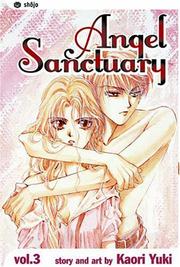
Action / Fantasy
Basara
Yu's review of Basara — in a post-apocalyptic desert Japan ruled by the Golden Emperor and his sons, a prophecy names the twin Tatara as the child of destiny. When Tatara is killed, his sister Sarasa cuts her hair, takes his name, and leads the rebellion — then falls in love with a stranger at a hot spring who turns out to be the Red King who destroyed her village.
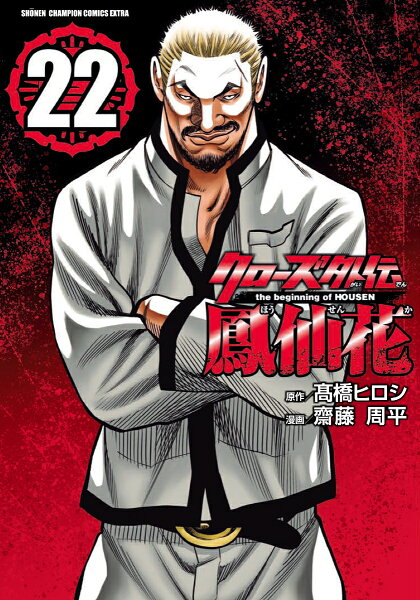
Action / Drama
Crows
A review of Hiroshi Takahashi's Crows (クローズ) — 26 volumes in Bessatsu Shōnen Champion from 1990 to 1998. Harumichi Bouya arrives at Suzuran All-Boys High looking for a real fight and finds the most dangerous school in Japan.
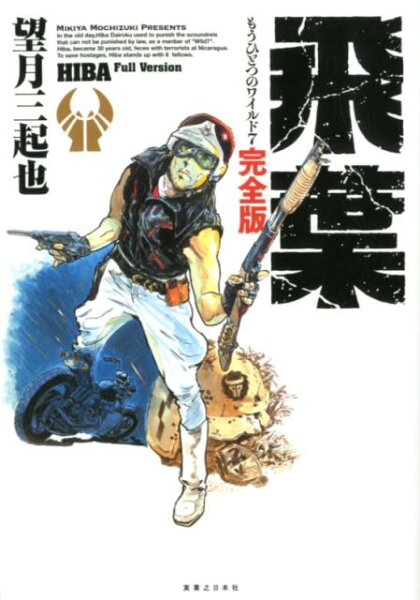
Action / Crime
Wild 7
Wild 7 follows a special police unit composed of convicted criminals given a second chance — authorized to use lethal force against criminals the law cannot otherwise reach, operating on motorcycles and outside the normal rules of law enforcement.

Action / Comedy
Kyo Kara Ore Wa!!
Kyo Kara Ore Wa!! follows two completely ordinary high school students who, upon transferring to a new school, independently decide to reinvent themselves as the toughest delinquents around — and discover they are both surprisingly and absurdly effective at this.
Action / Drama
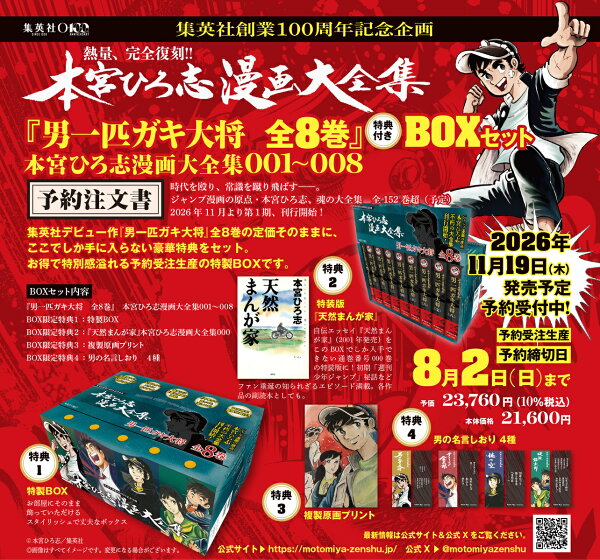
Otoko Ippiki Gaki Daisho
Otoko Ippiki Gaki Daisho follows Tora Otori, a young delinquent whose goal is not just to be the toughest kid in his school but to become the undisputed boss of the entire country — and who pursues this goal with a force of personality that makes followers out of former enemies.
Action / Comedy
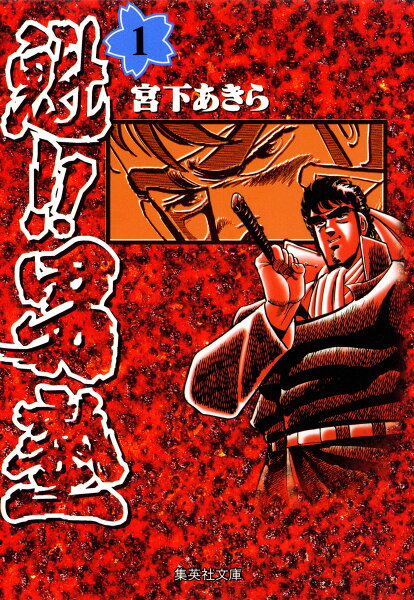
Sakigake!! Otokojuku
Otokojuku is a private school for delinquents where the curriculum consists entirely of brutal martial arts trials designed to forge men of iron will — and the manga is the story of Momotaro Tsurugi, who survives every trial while everyone else fails.
Written by
Yu
Manga Enthusiast from Japan
I grew up in Japan and manga literally saved me during a tough time in elementary school. My English isn't perfect, but my love for manga is real — and I want to share it with you.