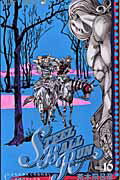
Steel Ball Run Review: The Greatest JoJo Arc Is Also the Greatest Race Manga Ever Made
by Hirohiko Araki
Read the first volume. If it doesn't hook you, put it down. It'll hook you.
Buy Steel Ball Run on Amazon →*Affiliate link — I earn a small commission at no extra cost to you.
The year is 1890. America announces the Steel Ball Run — a transcontinental horse race from San Diego to New York. Johnny Joestar, a paraplegic former jockey, encounters the mysterious Gyro Zeppeli and his strange spinning steel balls that seem to defy physics.
I'm Yu. The emotional arc of Johnny Joestar — going from a bitter, self-pitying young man to someone who finally understands what it means to fight for others — hit me harder than almost any manga I have read. The final act made me cry.
Quick Take
- Hirohiko Araki's Steel Ball Run (スティール・ボール・ラン) ran in Weekly Shonen Jump / Ultra Jump — 24 volumes, complete. JoJo's Bizarre Adventure Part 7.
- VIZ Media published the complete 24-volume English edition.
- Rated T (Teen) — graphic violence; body horror; religious themes throughout.
Story Overview
Together, Johnny and Gyro enter the race, unaware that hidden players are using it to find the scattered corpse parts of a saint said to grant miracles. The race becomes a collision between Johnny and Gyro's growing partnership, the various factions hunting the saint's corpse, and a specific man at the center of American power who wants everything.
Steel Ball Run is accessible without reading prior JoJo parts — Araki built it as a new story in a parallel universe. But for readers who know the series, the resonances with prior parts add depth.
Characters
Johnny Joestar — A former jockey whose career ended in a moment of arrogance; he starts the story bitter and self-pitying and becomes something genuinely worth believing in. His arc is the series' center.
Gyro Zeppeli — A man with specific reasons for entering the race, hidden until the series reveals them. His relationship with Johnny — mentor, partner, friend — is one of manga's great duos.
Funny Valentine — The antagonist whose methods are monstrous and whose philosophy is a specific, coherent position about love of country taken to its absolute extreme. One of Araki's finest villain constructions.
What I Love About It
Johnny starts the race because Gyro's steel ball technique can potentially restore the use of his legs. That's the whole reason. He has no heroic motivation — just a selfish, human desire to walk again.
Watching what he becomes from that starting point — the specific experiences and the specific person beside him that transform his understanding of what he is doing and why — is the most precise character development Araki has written.
Memorable Scene ⚠️ Spoiler Warning
The final battle and what Johnny does at the end — what his Tusk has become, what it costs, and what the act means for the world — recontextualizes everything about the saint's corpse that the series spent 24 volumes building. It is not the ending readers expected. It is the ending the story required.
Pros & Cons
Pros:
- Widely considered the best JoJo part — and it earns the reputation.
- Johnny and Gyro are one of manga's great protagonist duos.
- The race format gives the story natural structure while Araki constructs something mythological underneath.
- Complete at 24 volumes — completely standalone for new readers.
Cons:
- Stand battles can be abstract and confusing for readers new to JoJo's ability systems.
- Early chapters take time before the full scope becomes clear.
- The religious symbolism is dense in the final act.
Is Steel Ball Run Worth Reading?
Yes — it is Araki at the absolute peak of his powers. For new readers, it is the best JoJo entry point despite being Part 7. For existing fans, it is the culmination of everything the series built across parts 1–6.
Who Is This Manga For?
- JoJo fans who want the series' finest arc.
- Readers who enjoy historical adventure manga with genuinely epic stakes.
- Anyone interested in stories about unlikely partnerships and transformation.
- Readers who want complete manga where the setting is as important as the characters.
Official English Translation Status
VIZ Media published the complete 24-volume English edition. All volumes available.
Where to Buy
VIZ Media's complete 24-volume English edition.
Browse Steel Ball Run on Amazon →
This post contains affiliate links. If you purchase through these links, I may earn a small commission at no extra cost to you. As an Amazon Associate, I earn from qualifying purchases.
*Affiliate link — I earn a small commission at no extra cost to you.
More Manga You Might Like
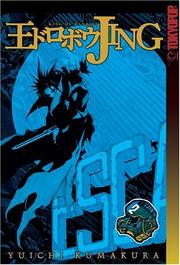
Action / Fantasy
Chrono Crusade
Yu's review of Chrono Crusade — Sister Rosette Christopher of the Magdalene Order partners with Chrono, a devil bound to her soul, to battle demonic threats across 1920s America while searching for her missing brother Joshua.
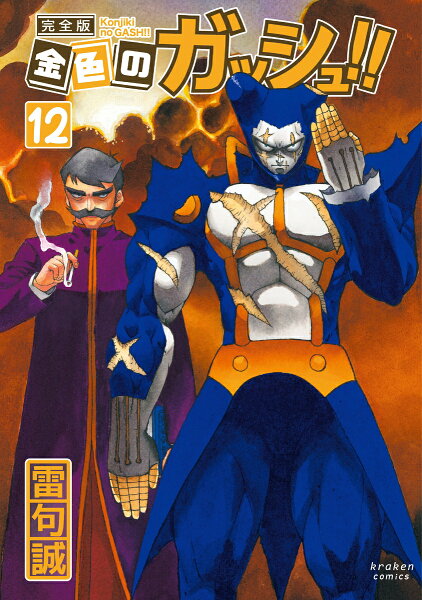
Action / Adventure
Zatch Bell!
A review of Zatch Bell! — 33 volumes in Weekly Shonen Sunday. Genius middle schooler Kiyo Takamine partners with demon child Zatch Bell in a battle royale of 100 demon/human pairs competing to become King of the Mamodo World; Zatch wants to be a kind king. The manga that made an entire generation cry about a book burning. VIZ Media's English edition is complete.
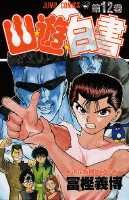
Action / Supernatural
Yu Yu Hakusho
A review of Yu Yu Hakusho — 19 volumes in Weekly Shonen Jump. Yusuke Urameshi dies heroically saving a child, is recruited as a Spirit Detective to investigate supernatural cases, and grows from a delinquent who doesn't care about anything into someone with people worth protecting. The series Togashi made before Hunter x Hunter. VIZ Media's English edition is complete.
Action / Supernatural
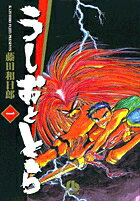
Ushio and Tora
Yu's review of Ushio and Tora — Ushio finds an ancient beast-spirit called Tora pinned under the temple floor; he releases Tora to fight other spirits threatening his town; Tora intends to eat Ushio eventually; they travel Japan fighting supernatural threats.
Action / Supernatural
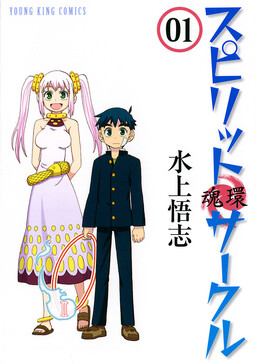
Spirit Circle
Yu's review of Spirit Circle — Fuuta Okeya has the ability to see spirits; when a new classmate, Kouko Ishigami, arrives and announces she is his enemy from a past life, their conflict forces both to revisit six shared past lives and understand what connected them across time.
Action / Historical
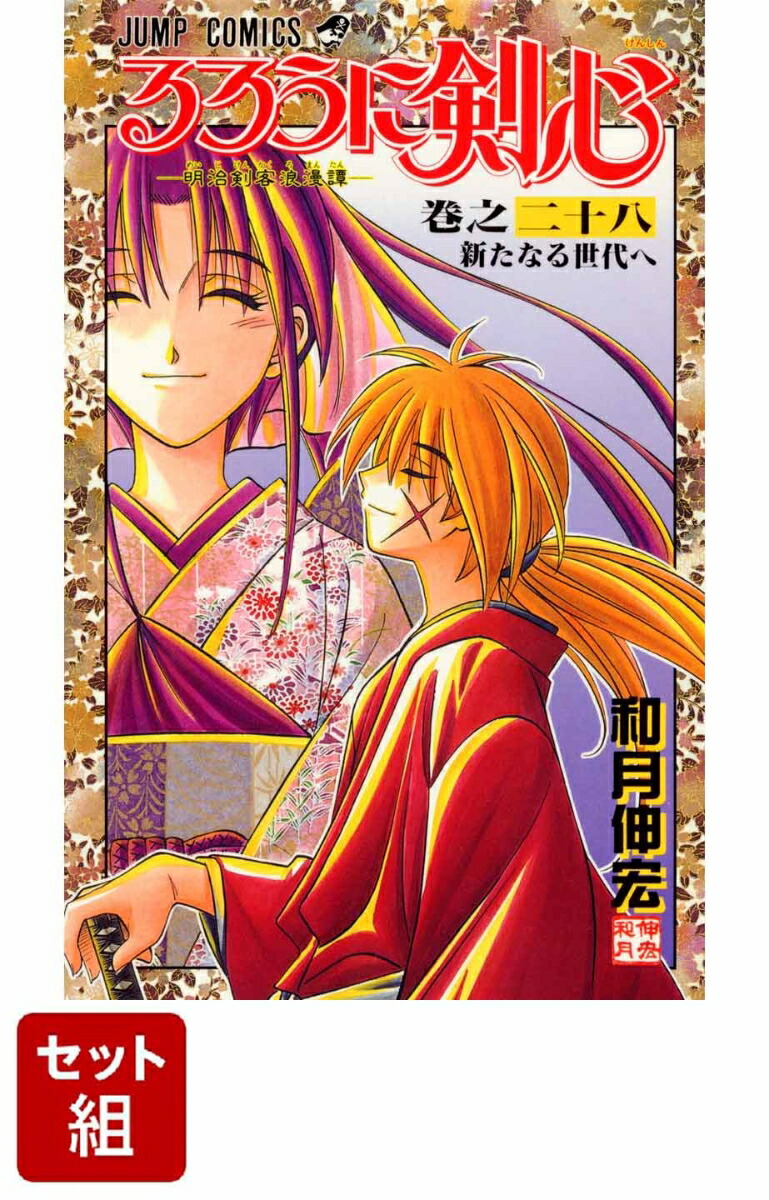
Rurouni Kenshin
A review of Rurouni Kenshin — 28 volumes in Weekly Shonen Jump. Himura Kenshin was Japan's most feared assassin of the Bakumatsu; he now wanders with a reverse-blade sword, trying to protect without killing. The Kyoto Arc is one of the greatest extended arcs in manga, and Shishio is the genre's finest villain. VIZ Media's English edition is complete.
Written by
Yu
Manga Enthusiast from Japan
I grew up in Japan and manga literally saved me during a tough time in elementary school. My English isn't perfect, but my love for manga is real — and I want to share it with you.
Disclosure: This post contains affiliate links. As an Amazon Associate, I earn from qualifying purchases at no extra cost to you.