
Souten Kouro Review: Cao Cao as the Hero — the Three Kingdoms Manga That Flips Everything
by King Gonta (art) / Lee Ryujin (story)
Read the first volume. If it doesn't hook you, put it down. It'll hook you.
Buy Souten Kouro on Amazon →*Affiliate link — I earn a small commission at no extra cost to you.
Quick Take
- The Three Kingdoms epic told from Cao Cao's perspective — the standard villain becomes the protagonist
- Grand historical scale with genuine character psychology; not just political but personal
- Extraordinarily ambitious; one of the major historical manga
Who Is This Manga For?
- Readers interested in historical manga and the Three Kingdoms period
- Those who enjoyed Dynasty Warriors and want the dramatic version
- Fans of Romance of the Three Kingdoms novels who want a radical reinterpretation
- Readers who appreciate historical epic with complex morality
Content Warnings & Age Rating
Age Rating: M (Mature) Content Warnings: War violence (historical battles, historical scale), adult content, political betrayal, complex moral choices
Adult content throughout. Appropriate for mature readers.
Yu's Rating
| Category | Score |
|---|---|
| Story Depth | ★★★★★ |
| Art Style | ★★★★★ |
| Character Development | ★★★★★ |
| Accessibility for Non-Japanese Readers | ★★★☆☆ |
| Reread Value | ★★★★★ |
Story Overview
The Three Kingdoms period of Chinese history (184–280 CE) — the collapse of the Han dynasty, the rise of warlords, the eventual tripartite division of China — has been told countless times. In most versions, Liu Bei is the hero, the inheritor of Han legitimacy; Cao Cao is the brilliant but ruthless villain.
Souten Kouro reverses this. Cao Cao is the protagonist, and the series argues — with historical evidence and enormous character investment — that he was the era's most capable and interesting mind.
This is not a rehabilitation of a villain. It is a re-examination of who the villain framing was serving and what is lost when you dismiss complexity.
The series follows Cao Cao from his youth through his rise, the major battles (Guandu, Red Cliffs), his relationships with allies and enemies, and the creation of what would eventually become Wei.
Characters
Cao Cao is drawn with full complexity: brilliant, ruthless, capable of genuine loyalty and genuine betrayal, interested in poetry and philosophy as much as strategy. He is not softened — his worst actions are shown. He is contextualized.
Xiahou Dun, Xiahou Yuan, Xu Chu — his loyal generals — are given specificity. These are not interchangeable warriors. Each has their own relationship with Cao Cao, their own motivations, their own moments.
Historical figures like Liu Bei, Sun Quan, Guan Yu, and Zhang Fei appear as well — interpreted through the lens of the series' perspective, which makes for interesting reinterpretations.
Art Style
King Gonta's art is exceptional — detailed, dramatic, with real command of the large-scale battle sequence. Historical costume and architecture are researched and rendered carefully.
The character designs are distinctive and memorable. Cao Cao himself is drawn to be compelling rather than conventionally handsome — angular, intense, always slightly unpredictable in expression.
Cultural Context
The Three Kingdoms period holds the same position in East Asian popular culture that the Arthurian cycle does in Western culture — an endlessly retold source of archetypes and moral drama. The characters are known; their fates are known; the interest is in interpretation.
Souten Kouro's decision to rehabilitate Cao Cao is both a literary provocation and a historical argument. The Chinese romantic tradition (Romance of the Three Kingdoms, Luo Guanzhong) favored the Han legitimists. This manga asks whether that framing served history or ideology.
What I Love About It
Souten Kouro is the manga that changed how I read historical fiction. It showed me that every history has a protagonist, and choosing who that protagonist is is a political act.
The scene where Cao Cao burns the intercepted letters — refusing to punish those who had written to his enemies when he seemed likely to lose, because trust requires demonstrating you can afford mercy — is the series' thesis. This is not a sentimental choice. It is a calculated demonstration. And both of those things are simultaneously true.
What English-Speaking Fans Say
Western readers with knowledge of the Three Kingdoms period find this essential — it rewrites figures they thought they knew. Those without background need to accept a learning curve but find the character work carries them.
The art is consistently praised as among the finest in historical manga.
Memorable Scene ⚠️ Spoiler Warning
The Battle of Red Cliffs — Cao Cao's greatest defeat — is rendered with the full complexity of what it meant. He loses. He knows why he lost. His response is the response of someone who understands the scale of what history is doing and chooses to remain the person he is.
It is better than the victory would have been.
Similar Manga
- Kingdom — another Three Kingdoms-adjacent epic; earlier period, different focus
- Vagabond — historical manga with similar ambition around a protagonist everyone thinks they know
- Vinland Saga — historical epic with similar complexity about violence and purpose
- Lone Wolf and Cub — different era but similar historical manga gravitas
Reading Order / Where to Start
Start from Volume 1. The series builds from Cao Cao's youth and the knowledge of where it is going adds weight to everything.
Official English Translation Status
DrMaster published portions of Souten Kouro in English. Check current availability.
Pros & Cons
Pros
- The central argument about Cao Cao is historically and dramatically compelling
- Exceptional art throughout
- Character work is among the best in historical manga
- The battle sequences are masterfully rendered
Cons
- Requires some Three Kingdoms background for full appreciation
- English release covers only part of the full series
- M rating; not light reading
Format Comparison
| Format | Notes |
|---|---|
| Physical | DrMaster editions; may require secondary market |
| Digital | Limited availability |
| Omnibus | Not currently available in English |
Where to Buy
Read the first volume. If it doesn't hook you, put it down. It'll hook you.
*Affiliate link — I earn a small commission at no extra cost to you.
More Manga You Might Like
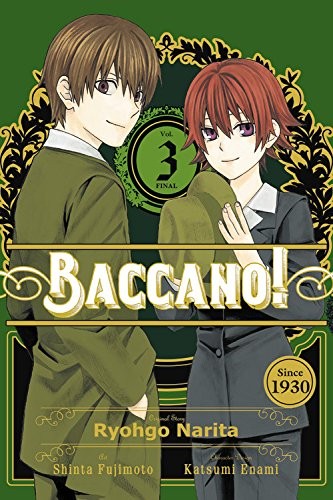
Action
Baccano!
A review of the Baccano! manga by Shinta Fujimoto — the 3-volume Young Gangan adaptation of Ryohgo Narita's Grand Punk Railroad arc, where immortals, gangsters, and a bloody urban legend collide aboard the 1931 Flying Pussyfoot express.
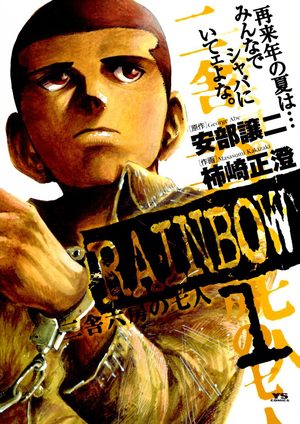
Action / Drama
Rainbow: Nisha Rokubō no Shichinin
Yu's review of Rainbow — six juvenile delinquents are sent to a brutal reformatory in 1955 Japan and placed in Cell 6, where they bond with their cellmate Rokurouta Sakuragi, a former boxer who teaches them what it means to survive with dignity.
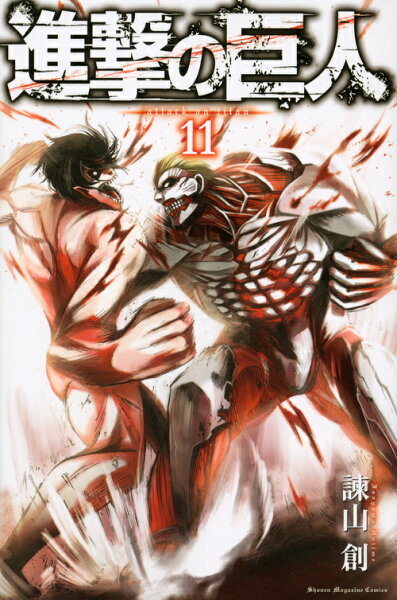
Action / Dark Fantasy
Attack on Titan
Yu's review of Attack on Titan — a manga that starts as a monster story behind three walls and ends as a story about inherited hatred, genocide, and one boy who tried to drown the world. Brutal, brilliant, unforgettable.
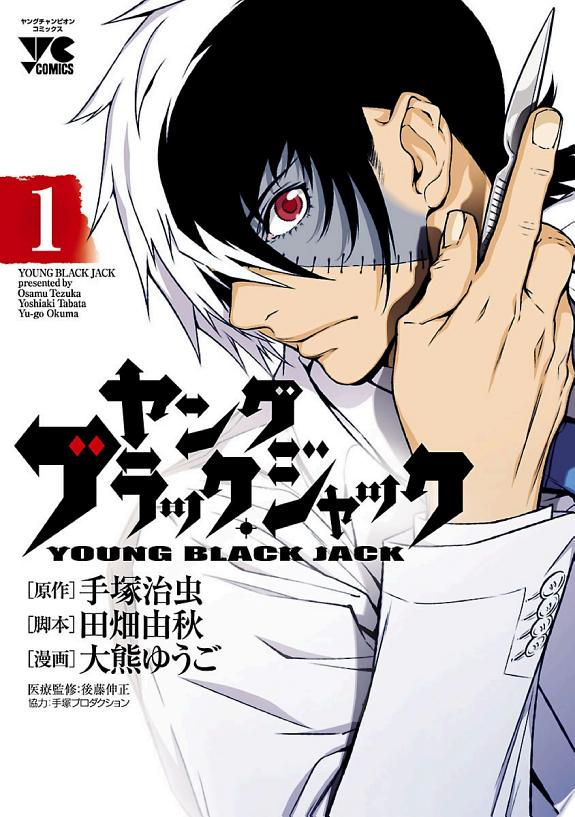
Action / Drama
Young Black Jack
A review of Yoshiaki Tabata and Yugo Okuma's Young Black Jack — 16 volumes in Weekly Young Champion. Young Hazama Kuroo — the future Black Jack — as a medical student in 1960s Japan, performing extraordinary surgeries in an era of political upheaval and moral complexity. No official English edition.
Action / Historical
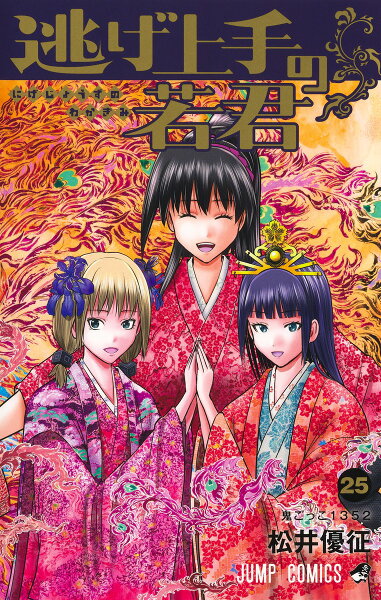
The Elusive Samurai
A review of The Elusive Samurai by Yusei Matsui, following a young noble who survives the fall of the Kamakura shogunate through unmatched evasion skills.
Action / Crime
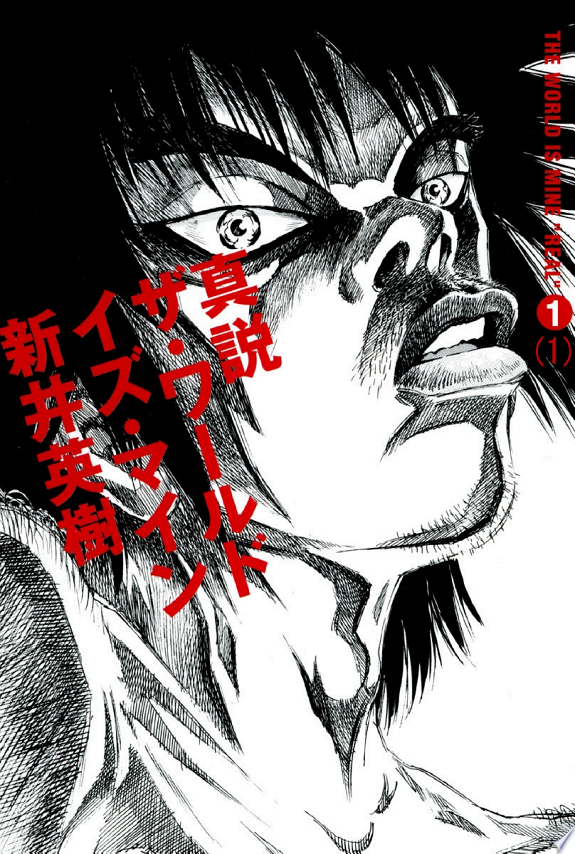
The World Is Mine
The World Is Mine follows two criminal partners — the unpredictable Mon and the calculating Toshi — on a violent crime spree across Japan, alongside a separate thread about a mysterious monster emerging in the wilderness.
Written by
Yu
Manga Enthusiast from Japan
I grew up in Japan and manga literally saved me during a tough time in elementary school. My English isn't perfect, but my love for manga is real — and I want to share it with you.
Disclosure: This post contains affiliate links. As an Amazon Associate, I earn from qualifying purchases at no extra cost to you.