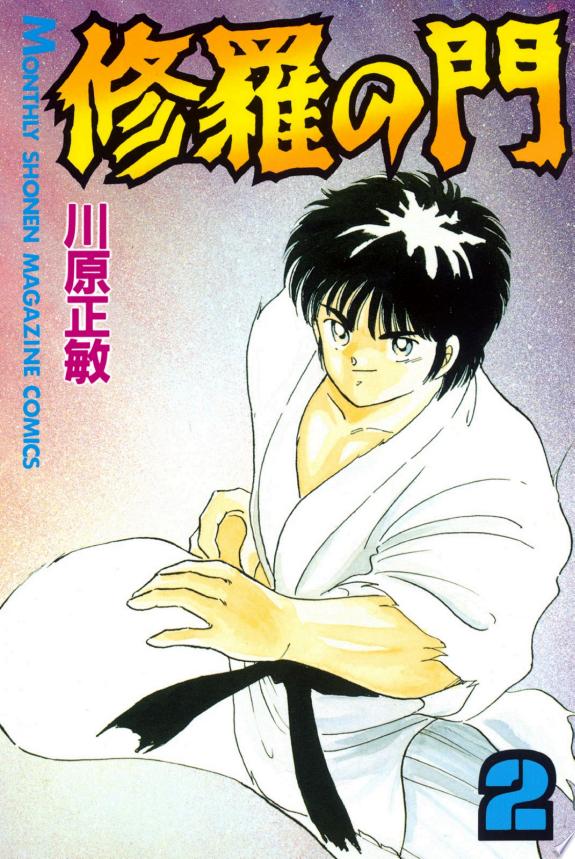
Shura no Mon Review: The Martial Art That Has No Technique — Only Killing
by Masatoshi Kawahara
Read the first volume. If it doesn't hook you, put it down. It'll hook you.
Buy Shura no Mon on Amazon →*Affiliate link — I earn a small commission at no extra cost to you.
Shura no Mon ran in Monthly Shōnen Magazine from 1987 to 1996 and sold over 30 million copies in Japan. It is almost completely unknown in English-speaking markets, because it has never been translated. That gap between what the series is and how invisible it is outside Japan is one of the more frustrating facts in martial arts manga.
I'm Yu. Tsukumo Mutsu is one of the most distinctive protagonists in the genre, and Kawahara's treatment of martial arts as a philosophical system — not a power fantasy — is the reason this series holds up thirty years later.
Quick Take
- Kawahara's martial arts epic — Mutsu Enmei-ryuu is presented as the ultimate fighting system, with genuine technical logic
- The matchups against real martial arts styles (boxing, karate, wrestling, judo, jeet kune do) are the series' highlight
- 31 volumes of escalating tournament and challenge matches that hold up because the art's philosophy is consistently interesting
Who Is This Manga For?
- Martial arts manga fans who want genuine martial arts philosophy alongside the action
- Readers of Baki, Kenichi, or similar fighting series looking for an older precursor
- Anyone interested in Japanese martial arts tradition in fictional form
- Action manga readers who want fights with real internal logic
Story Overview
Tsukumo Mutsu is the inheritor of Mutsu Enmei-ryuu — an ancient family martial art that was developed with a single purpose: to kill. Not to compete, not to score points, not to demonstrate mastery. The art's techniques are designed to end fights permanently.
Tsukumo doesn't want to kill anyone. But the art he carries is what it is, and when he enters the modern martial arts world — encountering karateka, boxers, wrestlers, and fighters from every discipline — the gap between what he could do and what he chooses to do is the series' central tension.
The fights work because Kawahara takes martial arts seriously as a system. Each confrontation involves genuine consideration of how different styles match up, where each art's advantages and limits lie, and how Mutsu Enmei-ryuu's philosophy of finishing overwhelms those that are designed for other purposes.
Characters
Tsukumo Mutsu: A protagonist whose strength is clearly established early — he is not on a journey to become powerful, he already is. The drama comes from his choices about how to use that power and what the Mutsu art's philosophy costs him.
The opponents: Each major opponent represents a different martial arts tradition and is treated with genuine respect — Kawahara researches the styles and presents them with their actual strengths before Mutsu's art finds the gap.
Art Style
Kawahara's art is functional and action-focused — clear, dynamic fight sequences with good spatial coherence. The technical demonstrations of techniques are carefully rendered so the reader understands what is being done and why.
Cultural Context
Shura no Mon ran in Monthly Shōnen Magazine from 1987 to 1996, during the peak of martial arts manga's popularity in Japan. The series takes seriously the philosophical tradition behind Japanese martial arts — the idea of martial arts as a complete system with a specific purpose — in ways that most tournament manga don't.
The series has a second part, Shura no Toki, which follows different members of the Mutsu lineage through historical periods.
What I Love About It
I love that the art is presented as genuinely dangerous rather than just powerful.
Most fighting manga treat the protagonist's martial art as the strongest technique in a strength hierarchy. Mutsu Enmei-ryuu is presented differently — it's not the strongest, it's the most lethal, and those are not the same thing. The art was designed to kill, and that design philosophy colors every technique. Tsukumo's restraint is a real struggle against a tradition that has no mechanism for it.
Memorable Scene ⚠️ Spoiler Warning
A fight against a muay thai fighter who is presented as genuinely world-class — and the scene where the muay thai fighter realizes what he is actually facing, not just a strong opponent but a system designed to end the fight in ways his training has no response to. The recognition scene is perfectly constructed.
Pros & Cons
Pros:
- Martial arts philosophy presented as a genuine system — Mutsu Enmei-ryuu is internally consistent, not decorative.
- Each opponent represents a real martial arts tradition handled with respect before Tsukumo's art finds the gap.
- Won the 1990 Kodansha Manga Award for shōnen; 30 million copies sold — not a niche series.
- Complete at 31 volumes; a second series (Shura no Toki) follows different Mutsu lineage members through history.
Cons:
- No English translation; readable only in Japanese.
- Long commitment — 31 volumes, though the escalation is consistent.
- Some cultural context around Japanese martial arts philosophy benefits from prior knowledge.
Is Shura no Mon Worth Reading?
Yes, if you can read Japanese and want martial arts manga with genuine philosophical depth. Tsukumo is a distinctive protagonist and the fight construction is some of the best in the genre. Skip if you want the over-the-top power escalation of Baki — this is a different register entirely.
Who Is This Manga For?
- Fans of Baki and Kenichi who want the philosophical side of martial arts manga without the absurdism.
- Readers interested in serious martial arts fiction — karate, boxing, wrestling, muay thai each get real treatment.
- Anyone who wants a long, complete series with consistent internal logic from start to finish.
Official English Translation Status
Shura no Mon has no official English translation. The series is unlicensed outside Japan as of 2026.
Where to Buy
The series is available in Japanese from Kodansha. All 31 volumes are in print; collected editions exist.
Browse Shura no Mon on Amazon Japan →
This post contains affiliate links. If you purchase through these links, I may earn a small commission at no extra cost to you.
*Affiliate link — I earn a small commission at no extra cost to you.
More Manga You Might Like
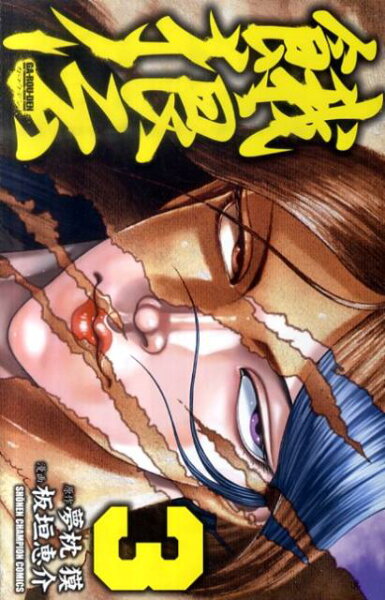
Action / Martial Arts
Garouden
Garouden follows Bunshichi Tanba, a former judoka who operates in the underground fighting world — a manga drawn by Jiro Taniguchi with psychological depth and physical authenticity rare in fighting manga.
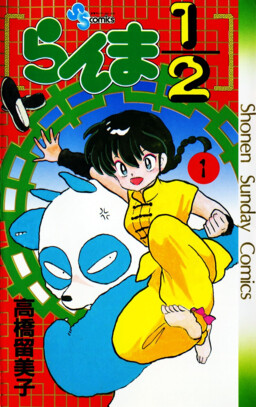
Action / Comedy
Ranma ½
A review of Ranma ½ — 38 volumes in Weekly Shonen Sunday. Ranma Saotome transforms into a girl when splashed with cold water; his father has arranged him to be engaged to Akane Tendo, who hates boys; the series follows their chaotic not-quite-relationship and increasingly bizarre martial arts challenges. Rumiko Takahashi's most kinetic work. VIZ Media's English edition is complete.
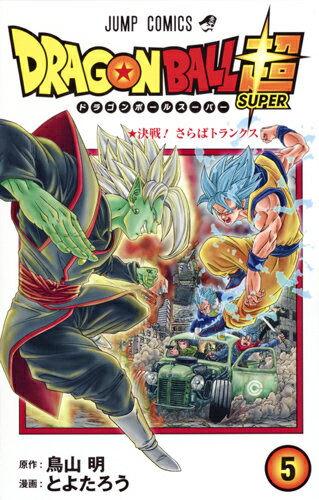
Action / Adventure
Dragon Ball
A review of Dragon Ball — 42 volumes in Weekly Shonen Jump. Son Goku's journey from a boy in the wilderness to the strongest being in the universe — the manga that defined what shonen action could be and that every battle manga since has owed something to. VIZ Media's English edition is complete.
Action
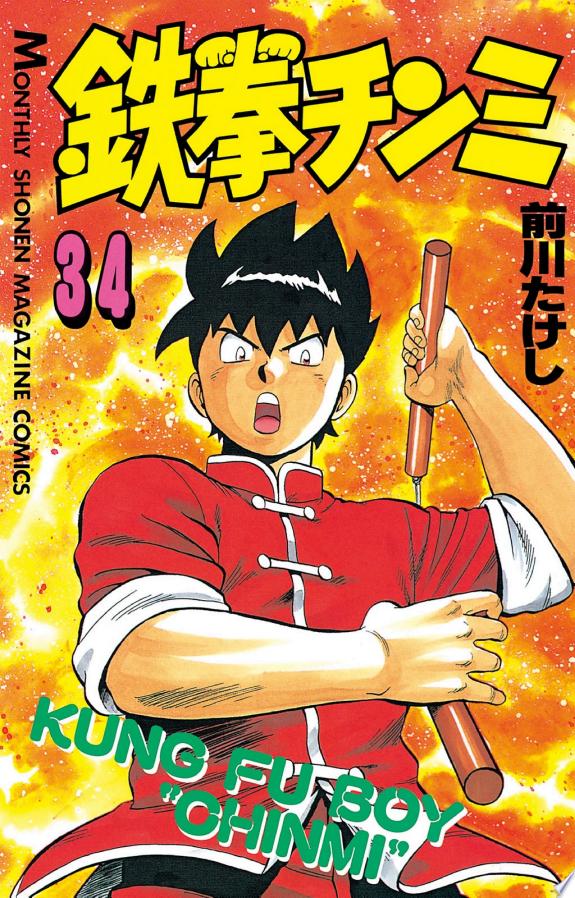
Tekken Chinmi
Tekken Chinmi follows Chinmi, a young boy who enters the Dairin Temple in China to train in kung fu — a classic Weekly Shonen Magazine martial arts series that traced a protagonist's development from enthusiastic novice to exceptional fighter across 34 volumes.
Action / Sci-Fi
Cobra
Cobra is the greatest space pirate who ever lived — charming, unstoppable, and armed with the Psychogun fused to his arm — in a galaxy-spanning adventure that turned stylish cool into a manga philosophy.
Action / Adventure
Zatch Bell!
A review of Zatch Bell! — 33 volumes in Weekly Shonen Sunday. Genius middle schooler Kiyo Takamine partners with demon child Zatch Bell in a battle royale of 100 demon/human pairs competing to become King of the Mamodo World; Zatch wants to be a kind king. The manga that made an entire generation cry about a book burning. VIZ Media's English edition is complete.
Written by
Yu
Manga Enthusiast from Japan
I grew up in Japan and manga literally saved me during a tough time in elementary school. My English isn't perfect, but my love for manga is real — and I want to share it with you.
Disclosure: This post contains affiliate links. As an Amazon Associate, I earn from qualifying purchases at no extra cost to you.