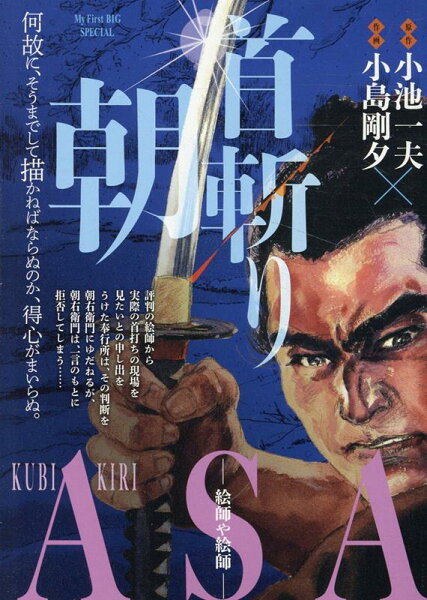
Samurai Executioner Review: The Man Who Sharpens the Blade of the Guillotine Has His Own Code of Justice
by Kazuo Koike
Read the first volume. If it doesn't hook you, put it down. It'll hook you.
Buy Samurai Executioner on Amazon →*Affiliate link — I earn a small commission at no extra cost to you.
Quick Take
- Kazuo Koike at his most philosophically rigorous — his best work alongside Lone Wolf and Cub.
- The executioner protagonist forces uncomfortable questions about justice and society.
- Goseki Kojima's art brings Edo Japan to life with remarkable authenticity.
Who Is This Manga For?
- Fans of emotionally rich storytelling with memorable characters
- Readers who enjoy complete series with satisfying conclusions
- Anyone interested in discovering hidden gems from manga's golden era
- People who like manga that stays with you long after the final page
Content Warnings & Age Rating
Age Rating: M (Mature) Content Warnings: historical violence, execution themes, mature historical drama
Recommended for mature readers.
Yu's Rating
| Category | Score |
|---|---|
| Story Depth | ★★★★☆ |
| Art Style | ★★★★☆ |
| Character Development | ★★★★★ |
| Accessibility for Non-Japanese Readers | ★★★★☆ |
| Reread Value | ★★★★☆ |
Overall: 4/5 — A philosophical and visually compelling historical manga from one of the genre's masters.
Story Overview
Yamada Asaemon is the official executioner of Edo — the government-sanctioned sword-tester who ensures condemned criminals die cleanly. His position places him at the margins of samurai society. Each volume presents stories from Asaemon's practice — criminals he executes, their crimes, and the complicated questions of justice, mercy, and human nature.
Characters
The cast of Samurai Executioner is built around contrasting personalities that force each other to grow. The main character carries a mix of strength and vulnerability — enough to earn sympathy without feeling passive. Supporting characters each serve a distinct emotional function: some mirror the protagonist's flaws, others challenge their assumptions, and a few provide the warmth that makes the harder moments bearable.
Art Style
Kazuo Koike's visual style suits the story it tells. Emotional moments land because facial expressions are drawn with real attention to subtlety — you rarely need dialogue to understand what a character is feeling. Background detail varies by scene, pulling back in quiet moments and getting tight and detailed when the stakes rise.
Cultural Context
Samurai Executioner comes from a tradition of Japanese storytelling that blends personal drama with broader themes — family loyalty, social pressure, and the courage it takes to be yourself. English readers will find most of this translates naturally; a few cultural notes in good translations help bridge any remaining gaps.
What I Love About It
Koike was a master of using period settings to ask genuine philosophical questions without pretension. Asaemon is fascinating precisely because his profession forces the narrative to take seriously questions that other samurai stories can avoid.
What English-Speaking Fans Say
Western readers who find this series often describe it as something they wish they'd found sooner. The emotional beats translate well; the universal themes of connection, loss, and growth resonate regardless of cultural background. Fans of similar series consistently recommend it as a must-read for genre newcomers and veterans alike.
Memorable Scene ⚠️ Spoiler Warning
There is a moment — usually in the middle or final act — where the story does something unexpected with a character you thought you understood. The setup is careful and patient. The payoff is sudden and complete. Readers report rereading earlier chapters afterward, finding all the foreshadowing they missed the first time.
Similar Manga
If you enjoyed Samurai Executioner, try:
- Lone Wolf and Cub by Kazuo Koike — the same creative team's masterpiece
- Vagabond by Takehiko Inoue — samurai epic with philosophical depth
- Blade of the Immortal by Hiroaki Samura — samurai action with moral complexity
Reading Order / Where to Start
Start from volume 1. This series builds its world and characters carefully from the first chapter — jumping in anywhere else means losing the context that makes later moments land. Volume 1 is a very strong opening; if you're not hooked by the end of it, this series may not be for you.
Official English Translation Status
Samurai Executioner has been fully published in English. All 10 volumes are available.
Pros & Cons
Pros:
- Complete story with no wait for new volumes
- Strong character work and genuine emotional investment
- Art that serves the story without overwhelming it
Cons:
- Less known outside core manga fandom — harder to find in physical stores
- Some tropes of its era may feel dated to modern readers
Format Comparison
| Format | Pros | Cons |
|---|---|---|
| Physical | Best art reproduction | May require ordering online |
| Digital | Instant access, cheaper | Less collector value |
| Used | Very affordable | Condition and availability vary |
Where to Buy
Read the first volume. If it doesn't hook you, put it down. It'll hook you.
This post contains affiliate links. If you purchase through these links, I may earn a small commission at no extra cost to you. As an Amazon Associate, I earn from qualifying purchases.
*Affiliate link — I earn a small commission at no extra cost to you.
More Manga You Might Like
Action / Historical
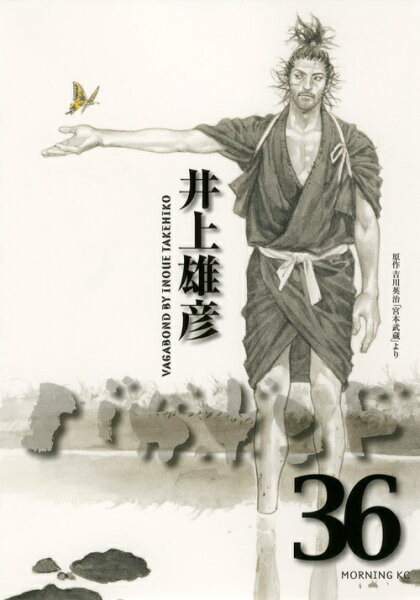
Vagabond
Yu's review of Vagabond — a manga about the historical Miyamoto Musashi's journey to become the greatest swordsman alive, and his gradual understanding that invincibility is not the same as wisdom. Visually the most beautiful manga ever published.
Action / Drama
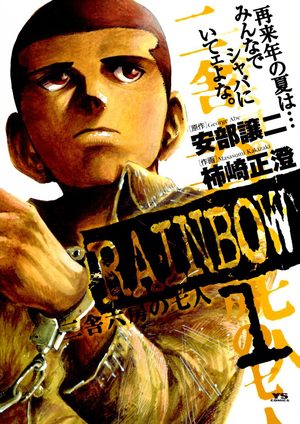
Rainbow: Nisha Rokubō no Shichinin
Yu's review of Rainbow — six juvenile delinquents are sent to a brutal reformatory in 1955 Japan and placed in Cell 6, where they bond with their cellmate Rokurouta Sakuragi, a former boxer who teaches them what it means to survive with dignity.
Action / Historical
Lone Wolf and Cub
Yu's review of Lone Wolf and Cub — Ogami Ittō was the Shogunate's official executioner; framed for treason by the Yagyū clan, stripped of his position, his wife murdered; he chose the Meifumadō — the road to hell — placing his infant son Daigorō before a ball and a sword, and the child chose the sword; they travel as assassins for hire, seeking vengeance.
Action / Historical
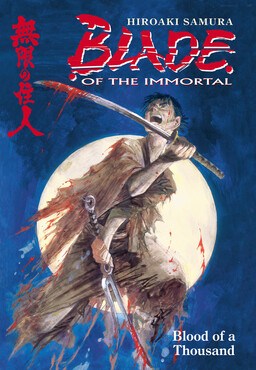
Blade of the Immortal
Yu's review of Blade of the Immortal — Manji is a ronin cursed with immortality by sacred bloodworms; to end the curse he must kill a thousand evil men, and he agrees to protect Rin Asano, a girl whose family was destroyed by the Itto-ryu sword school led by Anotsu Kagehisa. Hiroaki Samura's nineteen-year masterpiece, complete in 31 volumes from Dark Horse.
Action / Drama
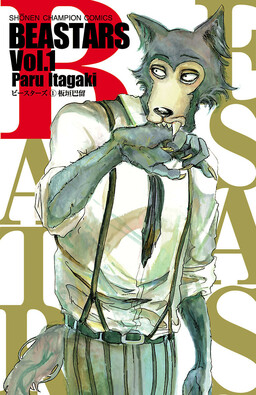
Beastars
Yu's review of Beastars — In a society of anthropomorphic animals where carnivores and herbivores live side by side, Legoshi is a gray wolf who is afraid of what he is. After a classmate is killed and eaten, he is pulled toward Haru, a tiny dwarf rabbit, and has to decide what kind of animal he wants to become.
Action / Drama
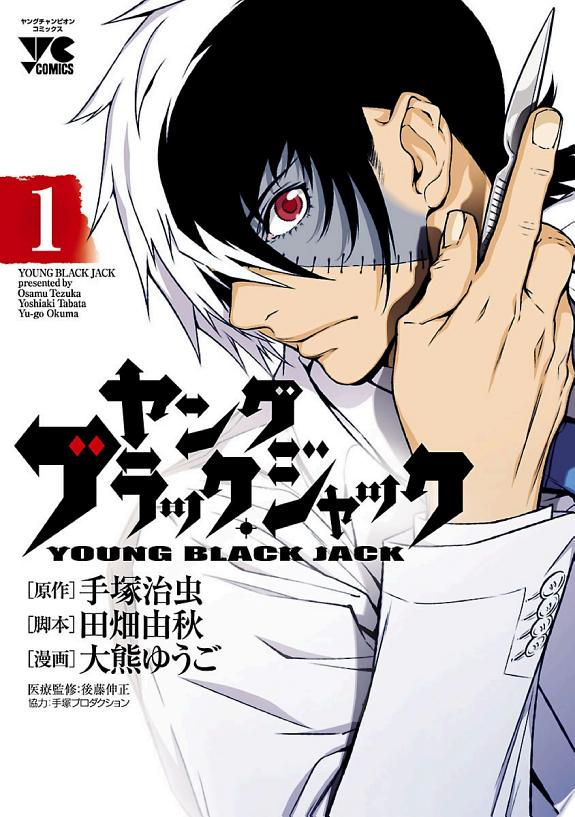
Young Black Jack
A review of Yoshiaki Tabata and Yugo Okuma's Young Black Jack — 16 volumes in Weekly Young Champion. Young Hazama Kuroo — the future Black Jack — as a medical student in 1960s Japan, performing extraordinary surgeries in an era of political upheaval and moral complexity. No official English edition.
Written by
Yu
Manga Enthusiast from Japan
I grew up in Japan and manga literally saved me during a tough time in elementary school. My English isn't perfect, but my love for manga is real — and I want to share it with you.
Disclosure: This post contains affiliate links. As an Amazon Associate, I earn from qualifying purchases at no extra cost to you.