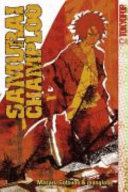
Samurai Champloo Review: Hip-Hop and Swords Have Always Belonged Together
by Masaru Gotsubo (manga adaptation)
Read the first volume. If it doesn't hook you, put it down. It'll hook you.
Buy Samurai Champloo on Amazon →*Affiliate link — I earn a small commission at no extra cost to you.
Edo period. Hip-hop soundtrack. Two fighters who hate each other enough to keep traveling together. This is the most culturally specific impossible combination, and it's perfect.
Quick Take
- The manga adaptation of Shinichiro Watanabe's hip-hop samurai anime
- Only 2 volumes — a fast read that captures the style more than the story
- Better as a visual companion to the anime than a standalone reading experience
Who Is This Manga For?
- Samurai Champloo anime fans who want more of the world
- Readers who enjoy stylized samurai action with unconventional aesthetics
- People interested in how Watanabe's visual sensibility translates to manga form
- Adults who don't mind mature content in their samurai adventures
Content Warnings & Age Rating
Age Rating: M (Mature) Content Warnings: Graphic violence, strong language, adult themes, drug references
The anime is also mature; the manga follows suit.
Yu's Rating
| Category | Score |
|---|---|
| Story Depth | ★★★☆☆ |
| Art Style | ★★★★☆ |
| Character Development | ★★★☆☆ |
| Accessibility for Non-Japanese Readers | ★★★★☆ |
| Reread Value | ★★★☆☆ |
Story Overview
Mugen is a fighter from the Ryukyu Islands who fights in an improvised breakdance style — fluid, unpredictable, physically extreme. Jin is a classically trained ronin with a past he doesn't discuss. They are opposites in every way. They meet in a tea house in Edo Japan, both start fights, and are both about to be executed when they're freed by a girl named Fuu, who needs escorts.
She wants to find a "samurai who smells of sunflowers." Mugen and Jin agree to help her in exchange for their lives, and conditionally agree not to kill each other until the quest is complete.
The manga adaptation follows some of the anime's episodic structure: encounters, fights, temporary allies and enemies, glimpses of the trio's developing dynamic. At two volumes, it's less a complete story than a highlight reel — the style and the characters, without the full emotional development the 26-episode anime achieves.
Characters
Mugen — All instinct and aggression and deliberate refusal to respect conventions. His fighting style is the external expression of his personality: refusing to fight the way you're supposed to fight.
Jin — Controlled, precise, carrying a history that explains his silence. His restraint is the contrast that makes Mugen readable.
Fuu — The nominal driver of the quest. More capable than she initially appears, and genuinely interesting in the moments when her real purpose and history become visible.
Art Style
Gotsubo's adaptation captures the anime's hip-hop aesthetic visually: the character designs are faithful, the fight sequences prioritize kinetic energy, and the Edo-period settings are drawn with enough detail to feel grounded. The breakdance sword style translates surprisingly well to still images — the body positions are expressive.
Cultural Context
Samurai Champloo is a product of the specific moment (early 2000s) when Japanese media was deeply engaged with American hip-hop culture — the same impulse behind Afro Samurai and various other cross-cultural fusions. Watanabe had previously applied jazz to space opera (Cowboy Bebop); here he applied hip-hop to the Edo period.
The result isn't just aesthetic. The hip-hop influence shapes how the characters carry themselves, how they think about hierarchy and tradition, how they relate to the rules of the world they're in.
What I Love About It
The manga can't give you the music. The anime's soundtrack is half of what makes it work. But what the manga can give you is the visual rhythm — the way panels are composed to feel like bars, the way a fight sequence builds and releases like a track.
Gotsubo understands this and works with it. The best fight sequences in the manga feel less like illustration and more like notation.
What English-Speaking Fans Say
Largely viewed as supplementary material for anime fans. The consistent observation: the anime is dramatically better, the manga is for people who can't get enough. Two volumes is considered adequate for what it is rather than disappointing.
Memorable Scene ⚠️ Spoiler Warning
The moment where Mugen and Jin are fighting each other in earnest — not a warm-up, not a performance, but an actual attempt to kill each other — and Fuu's response reveals that she has understood exactly what their "don't kill each other until the end" agreement meant to her quest, is the scene the manga handles best.
Similar Manga
| Title | Its Approach | How Samurai Champloo Differs |
|---|---|---|
| Afro Samurai | Hip-hop samurai action | Samurai Champloo has an ensemble and more humor; Afro Samurai is solo and grimmer |
| Blade of the Immortal | Samurai action with serious philosophical weight | Samurai Champloo is lighter and more episodic |
| Vagabond | Musashi's path to mastery | Samurai Champloo is deliberately anachronistic and anti-epic |
Reading Order / Where to Start
Two volumes. Watch the anime first for the full experience; the manga is companion material.
Official English Translation Status
Tokyopop published both volumes in English. Complete. May be out of print.
Pros & Cons
Pros
- Captures the visual style of the anime faithfully
- The fight sequences translate well to manga format
- Short and complete
- The character dynamics come through even in compressed form
Cons
- Two volumes is insufficient to develop the story fully
- The anime's music and animation are essential to the experience and can't be replicated
- Limited character development in two volumes
- Better as companion material than standalone
- Some episodic structure means certain chapters feel disconnected
Is Samurai Champloo Worth Reading?
For anime fans, yes — as a quick companion. For newcomers, watch the anime first. The manga alone is incomplete, but enjoyable for what it is.
Format Comparison
| Format | Pros | Cons |
|---|---|---|
| Physical | Fight sequences read well in print | Out of print |
| Digital | More accessible | — |
| Omnibus | The two volumes together are effectively complete | — |
Where to Buy
Read the first volume. If it doesn't hook you, put it down. It'll hook you.
This post contains affiliate links. If you purchase through these links, I may earn a small commission at no extra cost to you. As an Amazon Associate, I earn from qualifying purchases.
*Affiliate link — I earn a small commission at no extra cost to you.
More Manga You Might Like
Action / Samurai
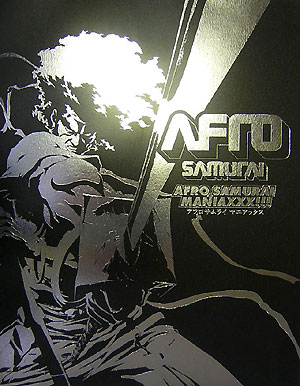
Afro Samurai
A review of Afro Samurai — Takashi Okazaki's hip-hop-soaked samurai revenge manga, where the final duel is the one Afro never gets to fight.
Action / Historical
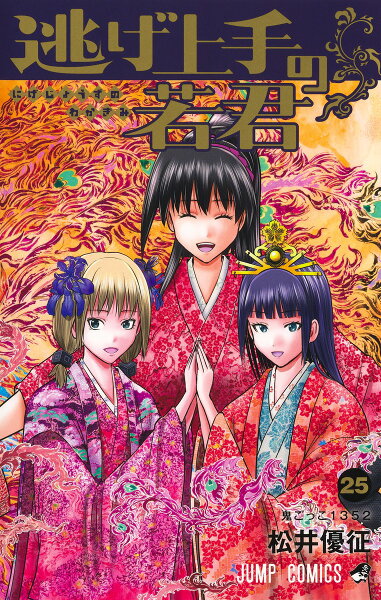
The Elusive Samurai
A review of The Elusive Samurai by Yusei Matsui, following a young noble who survives the fall of the Kamakura shogunate through unmatched evasion skills.
Action / Historical
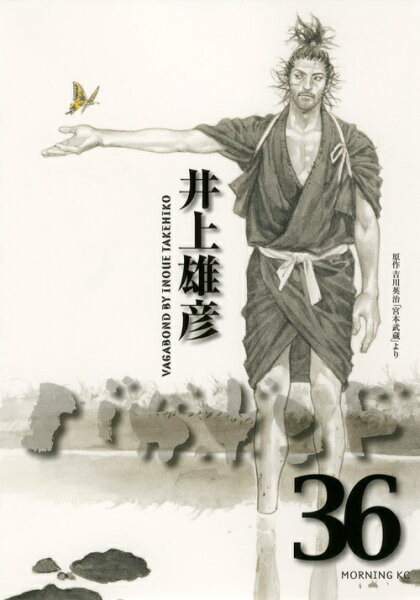
Vagabond
Yu's review of Vagabond — a manga about the historical Miyamoto Musashi's journey to become the greatest swordsman alive, and his gradual understanding that invincibility is not the same as wisdom. Visually the most beautiful manga ever published.
Action / Historical
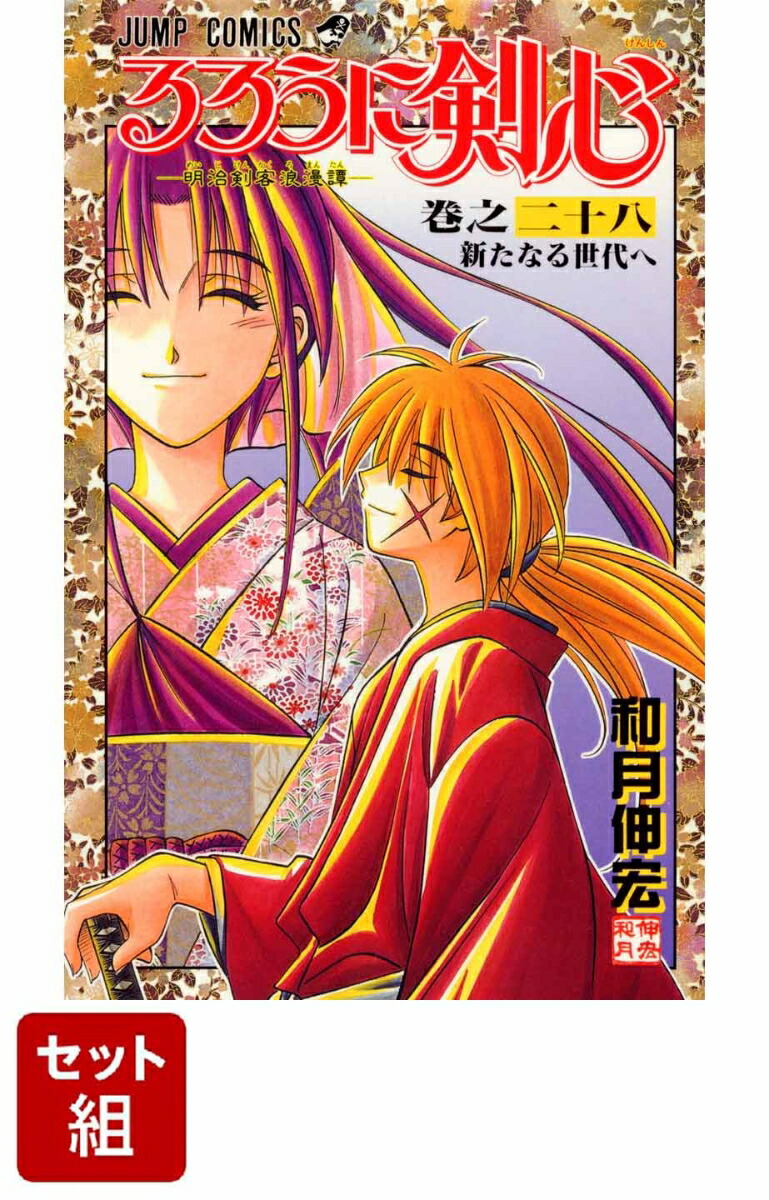
Rurouni Kenshin
A review of Rurouni Kenshin — 28 volumes in Weekly Shonen Jump. Himura Kenshin was Japan's most feared assassin of the Bakumatsu; he now wanders with a reverse-blade sword, trying to protect without killing. The Kyoto Arc is one of the greatest extended arcs in manga, and Shishio is the genre's finest villain. VIZ Media's English edition is complete.
Action / Historical
Lone Wolf and Cub
Yu's review of Lone Wolf and Cub — Ogami Ittō was the Shogunate's official executioner; framed for treason by the Yagyū clan, stripped of his position, his wife murdered; he chose the Meifumadō — the road to hell — placing his infant son Daigorō before a ball and a sword, and the child chose the sword; they travel as assassins for hire, seeking vengeance.
Action / Dark Fantasy
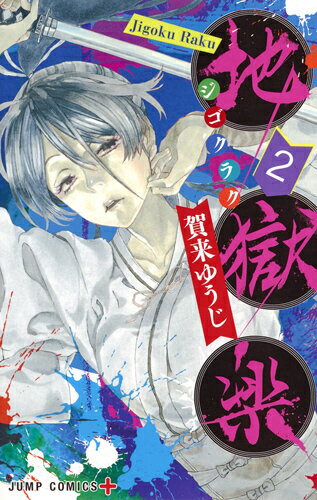
Hell's Paradise: Jigokuraku
Gabimaru the Hollow is a legendary Iwagakure shinobi awaiting execution. The Edo period government offers him a deal: travel to a mysterious island in search of the elixir of immortality, and earn his freedom. The island is paradise. The island is also hell. Yuji Kaku's 13-volume manga ran 2018–2021 in Shonen Jump+, with a 2023 MAPPA anime adaptation and 2026 second season. Complete in English from VIZ.
Written by
Yu
Manga Enthusiast from Japan
I grew up in Japan and manga literally saved me during a tough time in elementary school. My English isn't perfect, but my love for manga is real — and I want to share it with you.
Disclosure: This post contains affiliate links. As an Amazon Associate, I earn from qualifying purchases at no extra cost to you.