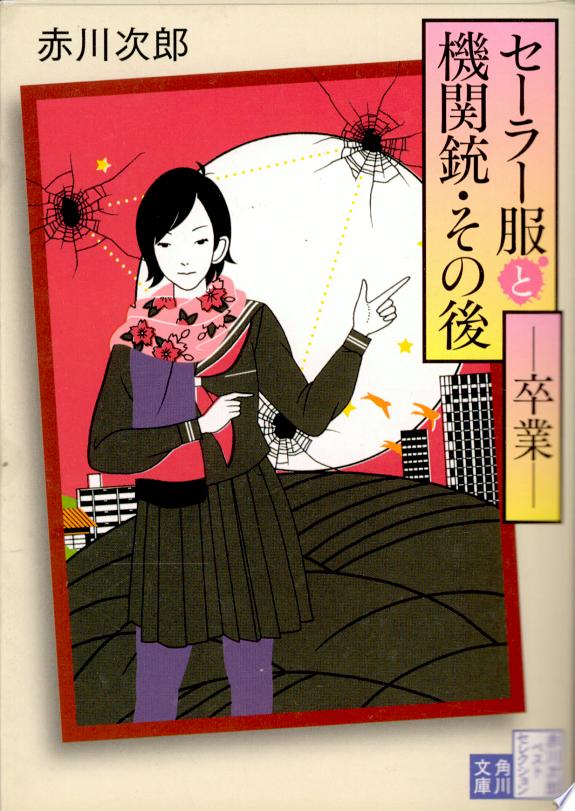
Sailor Fuku to Kikanjuu Review: The Schoolgirl-Yakuza Manga That Owned Its Own Absurdity
by Hiroshi Hirata
Read the first volume. If it doesn't hook you, put it down. It'll hook you.
Buy Sailor Fuku to Kikanjuu on Amazon →*Affiliate link — I earn a small commission at no extra cost to you.
The premise sounds like a joke. The novel was serious. The manga had to figure out which to be — and did.
Quick Take
- Hiroshi Hirata's manga adaptation of Jiro Akagawa's novel — Izumi the schoolgirl who inherits a yakuza family
- A compact adaptation of a premise that became a cultural touchstone through the novel and Hiroko Yakushimaru's iconic 1981 film
- One of the era's defining absurd-but-committed comic-action concepts
Who Is This Manga For?
- Akagawa novel fans who want the manga adaptation
- Cultural-memory enthusiasts who want to engage with the broader Sailor Fuku to Kikanjuu phenomenon
- Compact-adaptation readers who appreciate efficient genre work
- Anyone curious about how a famous premise translates between media
Content Warnings & Age Rating
Age Rating: T (Teen) Content Warnings: Yakuza violence, schoolgirl protagonist in adult-world situations, comedic-dramatic register switches.
Suitable for most readers.
Yu's Rating
| Category | Score |
|---|---|
| Story Depth | ★★★☆☆ |
| Art Style | ★★★★☆ |
| Character Development | ★★★☆☆ |
| Accessibility for Non-Japanese Readers | ★★★☆☆ |
| Reread Value | ★★★☆☆ |
Story Overview
Izumi Hoshi is a high school girl whose distant family connections produce an unexpected inheritance: leadership of a small yakuza family whose previous oyabun has died without other heirs. Despite the absurdity of the situation, Izumi takes on the role with seriousness that the manga adaptation respects. The yakuza brothers — older men of the family — accept her leadership because the family's traditions require them to, and because they come to recognize her actual capability.
The structure is compact — single volume rather than the long-running yakuza series the genre often produces. The premise's strength is in its concentration: Izumi's school life and yakuza life collide in specific ways, the comic-dramatic register switches happen at clear moments, the ultimate stakes resolve cleanly within the available space.
The work's relationship to the broader Sailor Fuku to Kikanjuu phenomenon is significant. Akagawa's novel (1978) is the original; the 1981 film starring Hiroko Yakushimaru made the premise iconic; the manga is one of several adaptations that contributed to the cultural memory of the concept.
Characters
Izumi Hoshi: The schoolgirl protagonist whose serious approach to absurd inheritance is the series' engine.
The yakuza brothers: Older men whose acceptance of Izumi's leadership is rendered with enough character to feel earned rather than absurd.
Art Style
Hirata's art has the clean, slightly comic register that the work's tone requires — character designs distinctive, action sequences clear when they happen, school and yakuza settings each rendered with appropriate texture.
Cultural Context
Sailor Fuku to Kikanjuu's broader cultural prominence comes primarily from Akagawa's novel and the 1981 film with Hiroko Yakushimaru. The manga adaptation exists within that broader cultural memory rather than as the dominant version of the work.
The premise — schoolgirl as yakuza leader — became one of Japanese popular culture's most recognized absurd-but-serious concepts and has influenced subsequent fiction.
What I Love About It
I love how seriously the work takes the absurd premise.
A modern adaptation might play this purely for comedy. Hirata's adaptation respects what Akagawa's novel respected: the absurdity is the situation's surface, but the underlying dynamics (family loyalty, leadership responsibility, becoming-an-adult-fast) are real. The work delivers comedy where comedy lands and seriousness where seriousness lands. The mixed register is the integrity.
What English-Speaking Fans Say
Limited international awareness of the manga specifically. The 1981 film has broader international recognition, and the cultural memory of the premise has reached some international audiences. Among Akagawa novel readers, the manga adaptation is regarded as a competent compact version.
Memorable Scene ⚠️ Spoiler Warning
A moment where Izumi makes a leadership decision that surprises both the yakuza brothers and the reader — and the recognition that she has, somehow, become the oyabun the family needed. The scene is the premise's clearest justification.
Similar Manga
| Title | Its Approach | How Sailor Fuku to Kikanjuu Differs |
|---|---|---|
| Naniwa Kinyudo | Loan-business comic-dramatic seinen | Same comic-dramatic register but adult protagonist |
| Sanctuary | Yakuza-and-politics seinen | Sanctuary is dramatic; Sailor Fuku to Kikanjuu is comic-dramatic |
| Detroit Metal City | Salaryman secret-life comic premise | Different premise but shared register-mixing approach |
Reading Order / Where to Start
The single volume is self-contained.
Official English Translation Status
Sailor Fuku to Kikanjuu has no official English translation of the manga.
Pros & Cons
Pros
- Compact adaptation of a culturally significant premise
- Mixed comic-dramatic register handled with discipline
- Engages with broader Sailor Fuku to Kikanjuu cultural memory
- Hirata's craft applied to a distinctive subject
Cons
- No English translation
- The film and novel are more culturally dominant
- Single-volume length limits sustained engagement
- Cultural-context understanding enhances significantly
Is Sailor Fuku to Kikanjuu Worth Reading?
For Akagawa novel readers and fans of the broader cultural phenomenon, yes — the manga adaptation is a worthy entry in the multi-medium tradition. For readers without prior context, the novel or film may be better entry points. As manga adaptation, it's competent and compact.
Format Comparison
| Format | Notes |
|---|---|
| Physical | Japanese editions available |
| Digital | Available in Japanese |
| Omnibus | Collected editions available |
Where to Buy
No English release yet. That just means you find it before everyone else does.
*Affiliate link — I earn a small commission at no extra cost to you.
More Manga You Might Like
Action / Drama
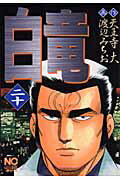
Hakuryuu
Hakuryuu follows Hakuryu, a yakuza whose intelligence and ambition take him through the Japanese underworld with the procedural precision of business fiction — Manga Goraku's 25-volume yakuza epic that treated the criminal world as a working economy.
Action
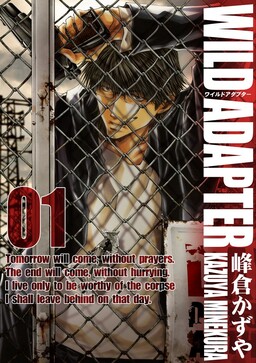
Wild Adapter
Yu's review of Wild Adapter — Makoto Kubota is a Yakuza boy genius who gets drawn into investigating Wild Adapter, a drug that turns users into monsters; he finds Tokito, a boy with no memory and a monster's hand, and takes him home; Kazuya Minekura's crime manga about an unlikely pair and the mystery of a transforming drug.
Action
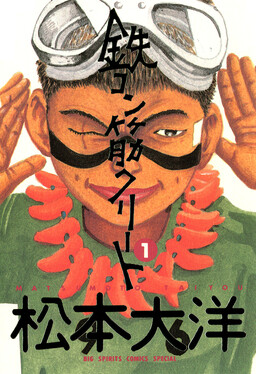
Tekkon Kinkreet
Yu's review of Tekkon Kinkreet — Black and White are two orphaned street kids who rule Treasure Town from the rooftops; when organized crime moves in to develop the city, Black and White must fight to keep what they consider theirs; a visually revolutionary manga about the psychic cost of violence and the specific love between two people who only have each other.
Action / Drama
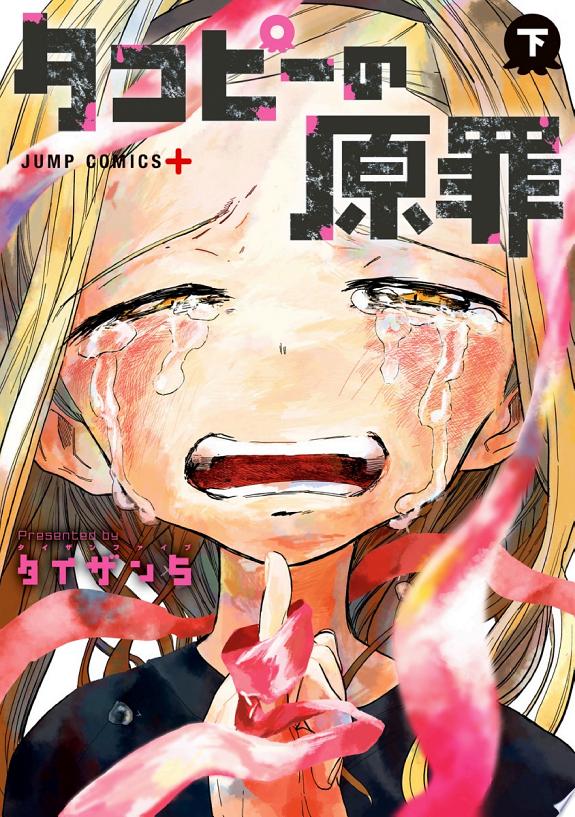
Takopi's Original Sin
Yu's review of Takopi's Original Sin — Takopi is an alien from Happy Planet sent to spread happiness on Earth; he meets Shizuka, a girl who is being bullied and whose home life is deeply troubled; the series uses Takopi's happiness abilities to examine what happiness means when suffering is real.
Action / Drama
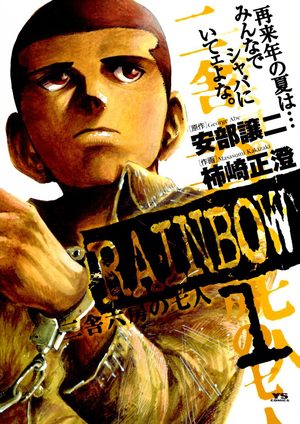
Rainbow: Nisha Rokubō no Shichinin
Yu's review of Rainbow — six juvenile delinquents are sent to a brutal reformatory in 1955 Japan and placed in Cell 6, where they bond with their cellmate Rokurouta Sakuragi, a former boxer who teaches them what it means to survive with dignity.
Action / Comedy
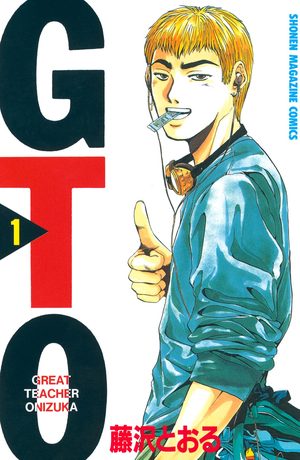
GTO: Great Teacher Onizuka
Yu's review of GTO: Great Teacher Onizuka — Eikichi Onizuka is a 22-year-old former gang leader and virgin who becomes a middle school teacher at an elite private school; what he lacks in academic credentials he compensates for with an absolute refusal to give up on any student.
Written by
Yu
Manga Enthusiast from Japan
I grew up in Japan and manga literally saved me during a tough time in elementary school. My English isn't perfect, but my love for manga is real — and I want to share it with you.