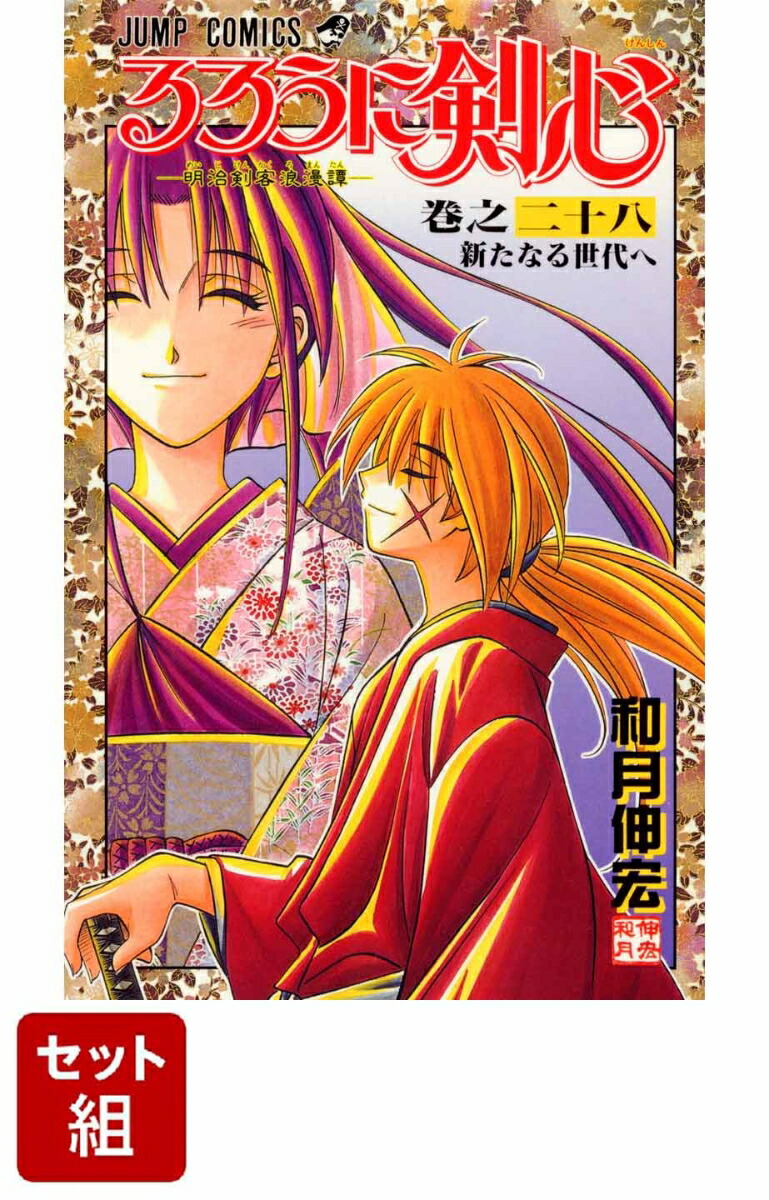
Rurouni Kenshin Review: The Assassin Who Swore Never to Kill Again
by Nobuhiro Watsuki
Read the first volume. If it doesn't hook you, put it down. It'll hook you.
Buy Rurouni Kenshin on Amazon →*Affiliate link — I earn a small commission at no extra cost to you.
Himura Kenshin was Hitokiri Battosai — the Sword of the Revolution, the most feared assassin of the Bakumatsu. He killed so many people in service of the new Japan that the blood cannot be counted.
I'm Yu. I have always found stories about atonement more affecting than stories about heroism. Kenshin chose who he wanted to be, against everything in his history, at real cost.
Quick Take
- Nobuhiro Watsuki's Rurouni Kenshin (るろうに剣心 −明治剣客浪漫譚−) ran in Weekly Shonen Jump — 28 volumes, complete.
- VIZ Media published the complete 28-volume English edition.
- Rated T (Teen) — action violence throughout; historical revolution content; themes of atonement and guilt.
Story Overview
When the revolution ended, Kenshin disappeared. He made a vow: never to kill again. He carries a sakabato — a reverse-blade sword, sharp on the wrong edge — as the physical embodiment of that vow.
Ten years later, he is a wanderer, doing small good deeds, moving on. He drifts into Tokyo, encounters a young woman named Kaoru running her family's kendo dojo, and for the first time in a decade, stops moving.
Then the Kyoto Arc begins. Makoto Shishio — Kenshin's replacement as the Bakumatsu's assassin, betrayed by the new government, burned alive, and survived — has built an army with a simple goal: prove that Kenshin's Japan is built on lies, and burn it down.
Characters
Himura Kenshin — One of manga's most affecting protagonists. His kindness is genuine — not performed, not a strategy — and his vow is sincere. The kindness and the terrifying violence are both real, both him, and he is trying to be one without ever being the other again.
Makoto Shishio — The series' greatest achievement. Shishio is a perfect villain not because he is evil but because he is right about some things. His indictment of the Meiji government — built on the blood of men like him and Kenshin, then discarded — is accurate. What he does with that accurate understanding is monstrous. The gap between the truth of his grievance and the horror of his response is what makes him genuinely frightening.
Kaoru Kamiya — Her belief in Kenshin — in the person he is choosing to be, not the person he was — is the emotional foundation of the series.
Hajime Saito — Kenshin's former enemy, now a government agent. His presence provides a philosophical counterweight to Kenshin's vow throughout.
What I Love About It
There is a moment in the Kyoto Arc where Kenshin, facing someone he cannot defeat without returning to what he was, makes a choice about who he wants to be. The choice costs him something. The cost is real and visible. And then he keeps moving forward anyway.
Heroes are born to their roles. Kenshin chose his, against everything in his history, at every moment, at real cost. That is a harder and more human thing.
Memorable Scene ⚠️ Spoiler Warning
Kenshin vs. Shishio's final exchange.
What stays with me is not the fighting — it's Shishio's last words, addressed not to his enemies but to the men who fought beside him. Even in his final moments, his loyalty to the people who followed him is real. It does not redeem what he did. But it makes him human in a way that simple villainy never could.
Pros & Cons
Pros:
- Shishio is one of the greatest villains in manga.
- The Kyoto Arc (volumes 7–18) is a complete masterpiece.
- Kenshin's vow and its meaning are developed with consistent care across all 28 volumes.
- Complete with a proper ending.
Cons:
- The Jinchuu Arc (final arc) is less focused than the Kyoto Arc.
- Early volumes establish slowly before the main conflict arrives.
- The author's personal controversies affect how some readers engage with the work.
Is Rurouni Kenshin Worth Reading?
Yes — the Kyoto Arc alone justifies the commitment. Shishio is the best villain in samurai manga. The series' treatment of atonement — what it costs and how it's practiced — is the best in the genre.
Who Is This Manga For?
- Readers who want samurai action with genuine historical grounding in the Meiji period.
- Fans of atonement stories — people trying to become something other than what they were.
- Anyone who wants a villain who is genuinely frightening and genuinely interesting.
- Readers who want a complete classic with a proper ending.
Official English Translation Status
VIZ Media published the complete 28-volume English edition. Available in print, digital, and VIZBIG omnibus.
Where to Buy
VIZ Media's complete 28-volume English edition.
Browse Rurouni Kenshin on Amazon →
This post contains affiliate links. If you purchase through these links, I may earn a small commission at no extra cost to you. As an Amazon Associate, I earn from qualifying purchases.
*Affiliate link — I earn a small commission at no extra cost to you.
More Manga You Might Like
Action / Historical
Lone Wolf and Cub
Yu's review of Lone Wolf and Cub — Ogami Ittō was the Shogunate's official executioner; framed for treason by the Yagyū clan, stripped of his position, his wife murdered; he chose the Meifumadō — the road to hell — placing his infant son Daigorō before a ball and a sword, and the child chose the sword; they travel as assassins for hire, seeking vengeance.
Action / Historical
Blade of the Immortal
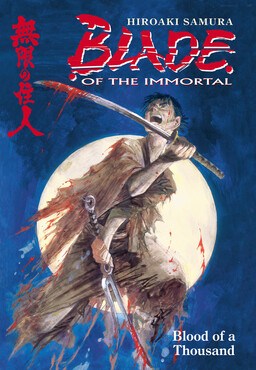
Yu's review of Blade of the Immortal — Manji is a ronin cursed with immortality by sacred bloodworms; to end the curse he must kill a thousand evil men, and he agrees to protect Rin Asano, a girl whose family was destroyed by the Itto-ryu sword school led by Anotsu Kagehisa. Hiroaki Samura's nineteen-year masterpiece, complete in 31 volumes from Dark Horse.
Action / Historical
The Elusive Samurai
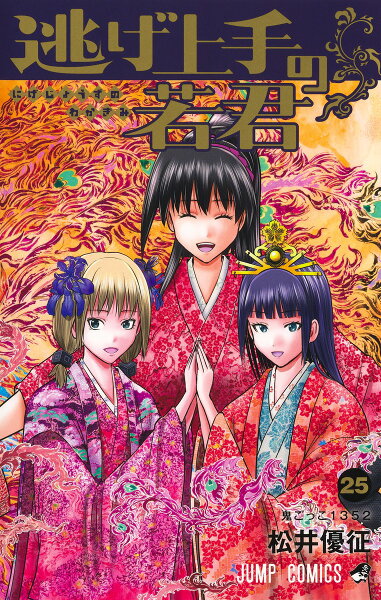
A review of The Elusive Samurai by Yusei Matsui, following a young noble who survives the fall of the Kamakura shogunate through unmatched evasion skills.
Action / Adventure
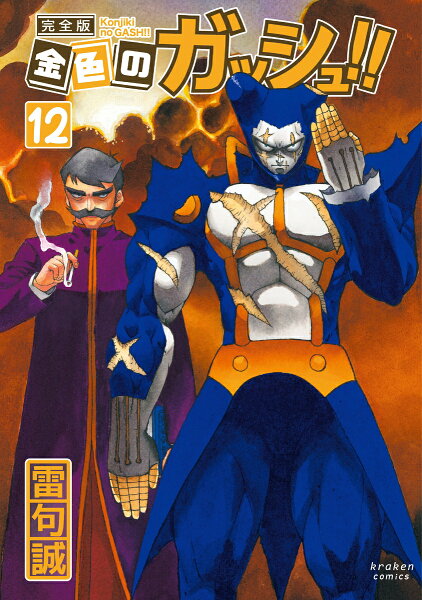
Zatch Bell!
A review of Zatch Bell! — 33 volumes in Weekly Shonen Sunday. Genius middle schooler Kiyo Takamine partners with demon child Zatch Bell in a battle royale of 100 demon/human pairs competing to become King of the Mamodo World; Zatch wants to be a kind king. The manga that made an entire generation cry about a book burning. VIZ Media's English edition is complete.
Action / Supernatural
Yu Yu Hakusho
A review of Yu Yu Hakusho — 19 volumes in Weekly Shonen Jump. Yusuke Urameshi dies heroically saving a child, is recruited as a Spirit Detective to investigate supernatural cases, and grows from a delinquent who doesn't care about anything into someone with people worth protecting. The series Togashi made before Hunter x Hunter. VIZ Media's English edition is complete.
Action / Supernatural
Ushio and Tora
Yu's review of Ushio and Tora — Ushio finds an ancient beast-spirit called Tora pinned under the temple floor; he releases Tora to fight other spirits threatening his town; Tora intends to eat Ushio eventually; they travel Japan fighting supernatural threats.
Written by
Yu
Manga Enthusiast from Japan
I grew up in Japan and manga literally saved me during a tough time in elementary school. My English isn't perfect, but my love for manga is real — and I want to share it with you.
Disclosure: This post contains affiliate links. As an Amazon Associate, I earn from qualifying purchases at no extra cost to you.