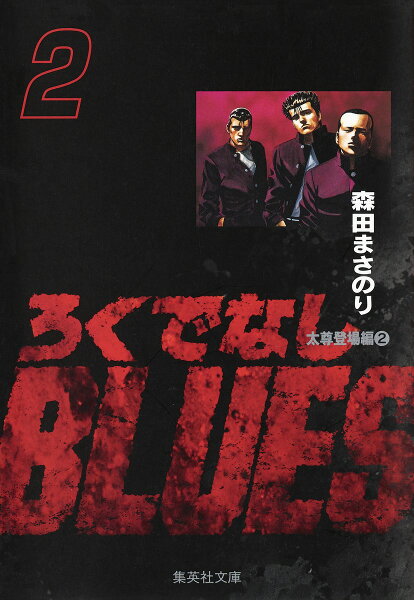
Rokudenashi Blues Review — A Delinquent Boxer at Tokyo's Toughest High School in the Late 1980s
by Masanori Morita
Read the first volume. If it doesn't hook you, put it down. It'll hook you.
Buy Rokudenashi Blues on Amazon →*Affiliate link — I earn a small commission at no extra cost to you.
I read Rokudenashi Blues in volumes my dad's friend left at our apartment for me when I was about 14. I had not read a manga that felt this much like an older brother's manga before. The fights were brutal. The friendships were specific. The 1988 Tokyo setting felt foreign and immediate at the same time. I read all 42 volumes and then asked the friend if there was more.
There was the rest of Masanori Morita's career, which I started reading too. But Rokudenashi Blues was the door.
Quick Take
- Masanori Morita's 42-volume Weekly Shonen Jump manga (1988–1997) about a teenage delinquent boxer at a real Kichijoji-area high school
- One of the defining 1980s–90s Jump manga in the delinquent/sports genre
- Age rating: M (Mature) — sustained graphic fight scenes; 1980s delinquent-culture content
What Is Rokudenashi Blues About?
Taison Maeda (前田 太尊) — yes, his given name is "Taison" in Japanese, a deliberate transliteration of "Tyson" — enrolls at Teiken High School in Kichijoji, Tokyo. Teiken is one of the city's notorious delinquent schools. Most of its students are not there to study. Most spend their time at the school fighting each other and other neighborhood schools.
Maeda's ambition, which his father picked out the name to support: become a professional boxer. He has been training since middle school. He wants to fight at the highest amateur level, then turn pro. Teiken is supposed to be his vehicle — the school has a boxing club. But to access the club, he has to navigate the school's delinquent hierarchy first.
The next 42 volumes follow Maeda across his three years at Teiken:
- Building a small circle of close friends (Hashida, Katsuji, Toranosuke) who form the heart of the manga's emotional ensemble
- Establishing himself in Teiken's social order by winning fights against students who challenge him
- Encountering and fighting through the Tokyo Four Heavenly Kings (東京四天王) — the four most famous delinquents in Tokyo's major neighborhood gangs (Shibuya, Ikebukuro, Shinjuku, and other districts each have their "king")
- Competing in amateur boxing tournaments alongside the delinquent storyline
- Approaching the question of which life he is actually choosing: the boxing career or the delinquent identity
The series ends with Maeda's amateur boxing career resolution and his transition out of high school. Morita made specific choices about the ending that have been discussed by Japanese manga fans for decades.
A 2025 spin-off manga (drawn by Boichi, with Morita's involvement) covers the backstories of the Four Heavenly Kings characters.
The Tokyo Four Heavenly Kings
This is one of the manga's most-discussed elements, so worth clarifying:
The 東京四天王 (Tokyo's Four Heavenly Kings) are not a literal organization. They are how the high school delinquent culture of the manga refers to the four strongest individual fighters from Tokyo's major delinquent neighborhoods. Across the manga, Maeda fights each one in turn:
- Katsumi Tomoyose of Shinjuku
- Toranosuke Bouya of Shibuya
- Kanai Tarou of Ikebukuro
- Aida Kazuhiko of Akabane
Each fight is a multi-volume arc. The arcs collectively form the manga's "Four Heavenly Kings" structure across the middle volumes.
Who Is This Manga For?
- Classic shounen action readers willing to engage with delinquent-culture content
- Boxing manga readers who like the sport intertwined with character drama
- Morita Masanori fans — Rokudenashi Blues is his career-defining work before Rookies
- Late-Showa / early-Heisei Tokyo enthusiasts — the manga is a document of that specific period
- Japanese-language readers: the manga is unlicensed in English
- Not for: readers wanting plot-driven shounen; readers uncomfortable with violence
Content Warnings & Age Rating
Age Rating: M (Mature) — 18+ Content Warnings: Sustained graphic fight scenes (punching, kicking, blood); boxing injuries depicted realistically; high school smoking depicted regularly; some 1980s-era social attitudes around gender and class; delinquent culture is depicted directly
The M rating is the floor. The violence is not gratuitous but is constant.
Characters
Taison Maeda — The protagonist. A teenage boxer with sustained discipline, hot temper, and surprising emotional depth. Morita writes him as someone who has chosen boxing rather than someone for whom boxing is destiny. The manga's central question is whether Maeda will stay choosing it under pressure.
Hashida, Katsuji, Toranosuke — The core friend group. Each has their own backstory and development arc. The Hashida-Maeda friendship is the manga's most carefully built relationship.
The Tokyo Four Heavenly Kings — Four major delinquent characters; each gets multi-volume development.
Boxing club seniors and coach — The boxing career storyline has its own ensemble of characters.
Art Style
Masanori Morita's signature 1980s Jump style — dynamic action, expressive faces, strong character designs that immediately telegraph each character's personality. The boxing sequences are kinetic and clear. The street fights are visceral.
The art evolved noticeably across the 9-year run. Early volumes have rougher linework; later volumes show full command of the style Morita would refine in his subsequent work (Rookies).
Cultural Context
Rokudenashi Blues ran in Weekly Shonen Jump from 1988 to 1997 — a 9-year run during the magazine's peak commercial era. It was one of Jump's flagship "school delinquent" manga alongside GTO (which came slightly later) and Crows.
The Kichijoji setting is real. Morita's depiction of late-1980s Kichijoji's delinquent youth culture is documentary in its specificity. The neighborhood as he drew it is largely gone now; gentrification has changed the area significantly. The manga preserves what was.
Masanori Morita's subsequent career included Rookies (a baseball manga about a delinquent class becoming athletes) and Beshari Gurashi (about manzai comedians). Both are critically acclaimed; Rookies in particular had a major TBS drama adaptation.
Morita is currently working on a Rokudenashi Blues spin-off with artist Boichi (Dr. Stone) launching in Grand Jump in summer 2026.
What I Love About It
Maeda's first amateur boxing match.
Across the early volumes, the manga has been primarily delinquent-culture content — school fights, neighborhood beefs, the social structure of Teiken High. Maeda has talked about boxing constantly. He has trained. He has corner-shadowboxed in his head when annoyed.
In a specific chapter — I won't say which — Morita finally gives Maeda his first amateur tournament. The match is short. Maeda's opponent is competent. The match is also the first time the reader sees Maeda actually do the thing he has been claiming to be.
What Morita draws is the gap between Maeda the delinquent and Maeda the boxer. The Maeda in the ring is not the same person as the Maeda outside it. The fighting form is real boxing technique, not the street brawling the manga has been depicting. The discipline is visible. The training is visible. Everything Maeda has been claiming about himself turns out to be true.
The match resolution I will not spoil. What matters is Morita's craft. He earned the moment of revelation across many volumes of buildup, and the reveal — Maeda fighting in a regulated ring against a trained opponent — is what gives the rest of the manga its emotional architecture. Maeda is not just one of the school's strongest delinquents. He is also genuinely trying to be a boxer. The manga is the story of those two facts trying to occupy the same person.
That craft is why Rokudenashi Blues remains a key 1980s–90s Jump manga. Morita knew what he was doing.
What English-Speaking Fans Say
Rokudenashi Blues is essentially unknown in English-speaking markets because of the lack of license. Among Japanese-language readers and Morita catalog completionists, it is rated as one of the great late-Showa Jump manga.
Memorable Scene ⚠️ Light Spoiler
The Maeda vs Katsumi fight (Shinjuku Four Heavenly Kings arc).
Somewhere in the middle volumes, Maeda meets Katsumi Tomoyose — the Shinjuku-area "king" of Tokyo's Four Heavenly Kings. Their fight is multi-volume. Both characters are at the peak of their physical capabilities. Both have specific psychological investment in winning. The match runs for chapters.
What makes the fight work is what Morita refuses to do. He does not make either character the obvious villain. Katsumi is not a generic delinquent boss. He has reasons. He has friends. He has a specific ethics. Maeda is not the obvious hero. He has rage that he is trying to channel. His friends are watching. Both fighters give the other respect even while trying to defeat each other.
The resolution is earned. The aftermath — what each fighter says to the other in the wake of the match — is some of Morita's best dialogue.
Similar Manga
| Title | Its Approach | How Rokudenashi Blues Differs |
|---|---|---|
| Crows (Hiroshi Takahashi) | Same-era delinquent school manga | Crows is more pure delinquent; Rokudenashi adds boxing |
| Worst (Takahashi) | Crows sequel/spin-off | Same school subgenre |
| GTO (Tohru Fujisawa) | Teacher-as-protagonist delinquent story | GTO is comedic; Rokudenashi is serious |
| Rookies (Morita's later work) | Delinquent baseball manga | Same author's continuation of theme |
| Hajime no Ippo | Boxing manga | Ippo is pure boxing; Rokudenashi is half-delinquent |
Reading Order / Where to Start
Volume 1. 42 volumes; substantial commitment.
For Morita newcomers: Rokudenashi Blues first, then Rookies. The two together form Morita's defining delinquent-protagonist diptych.
Official English Translation Status
Rokudenashi Blues has no official English release. Shueisha has not licensed the manga to any English publisher. The Japanese editions are available physically and digitally in Japan.
Pros & Cons
Pros
- Defining 1988–1997 Weekly Shonen Jump manga
- The Tokyo Four Heavenly Kings arc structure is exceptional
- Boxing storyline is technically accurate
- Morita's character work is rare for delinquent shounen
- 42 volumes; deep ensemble development
Cons
- No English translation
- 42-volume commitment is significant
- Late-1980s social attitudes appear in early volumes
- The delinquent-shounen register is an acquired taste. It won't land for everyone, especially readers who prefer modern shounen sensibilities.
Is Rokudenashi Blues Worth Reading?
For readers with Japanese ability or fan-translation access: yes. One of the great Showa-end Jump manga.
For English-only readers: skip until/unless licensed.
Format Comparison
| Format | Notes |
|---|---|
| Physical (Japanese) | All 42 volumes + 25 bunko editions available in Japan |
| Digital (Japanese) | Available via Japanese ebook services |
| English | None — unlicensed |
| Spin-off (Morita × Boichi, 2026) | Launching summer 2026 in Grand Jump |
Where to Buy
No English release yet. That just means you find it before everyone else does.
*Affiliate link — I earn a small commission at no extra cost to you.
More Manga You Might Like
Action / Comedy
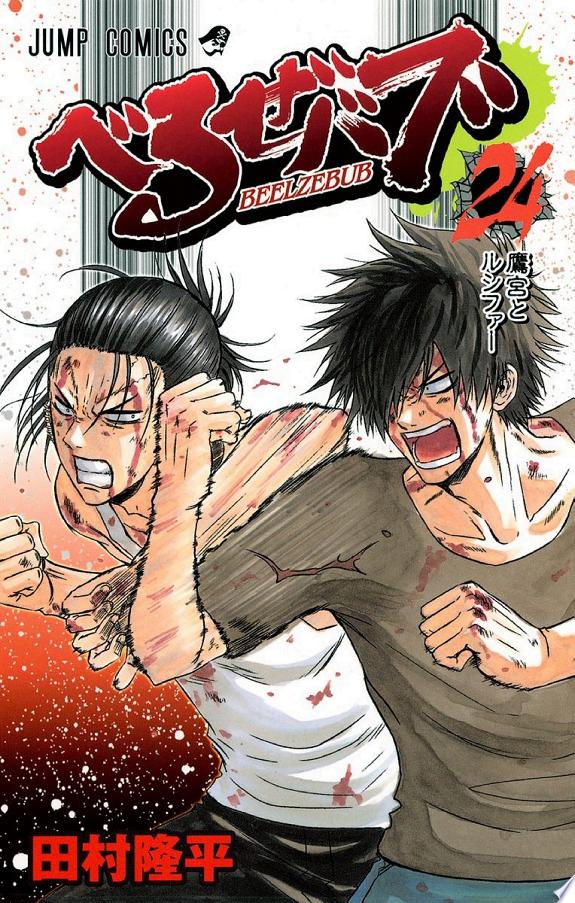
Beelzebub
Yu's review of Beelzebub — the toughest delinquent at the most violent school in Japan pulls a man out of a river, the man splits open, and a naked demon baby crawls out and decides Oga is his dad. A comedy with a real heart underneath the fighting.
Action / Historical
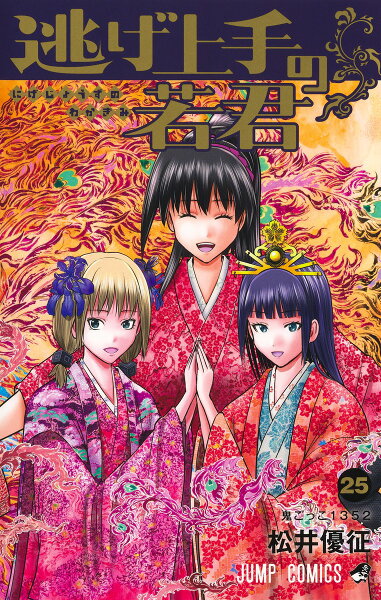
The Elusive Samurai
A review of The Elusive Samurai by Yusei Matsui, following a young noble who survives the fall of the Kamakura shogunate through unmatched evasion skills.
Action / Drama
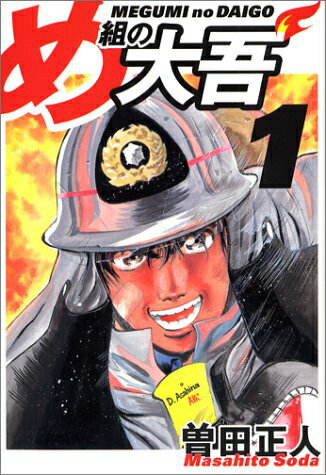
Daigo of Fire Company M
Daigo of Fire Company M follows Daigo Asahina, an extraordinary new firefighter who joins Company M — and the question of what drives a young man of exceptional ability to choose the most dangerous possible job.

Action / Comedy
City Hunter
A sweeper for hire in Shinjuku cleans up the city's worst criminals while hiding a heart softer than anyone suspects — City Hunter is the definitive action-romance manga.
Action / Dark Fantasy
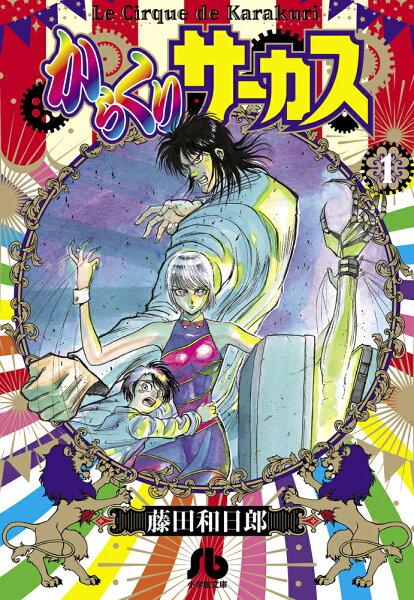
Karakuri Circus
A young boy chased by assassins. A young woman who fights with a marionette. An ancient secret about puppets that hunt humans. Karakuri Circus is Kazuhiro Fujita's masterpiece — relentless, emotional, and unlike anything else.
Action / Adventure
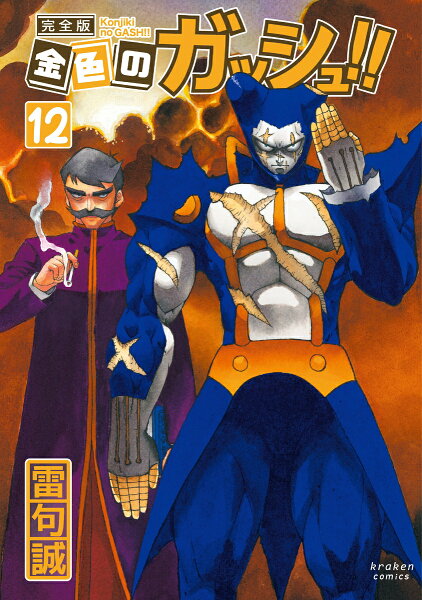
Zatch Bell!
A review of Zatch Bell! — 33 volumes in Weekly Shonen Sunday. Genius middle schooler Kiyo Takamine partners with demon child Zatch Bell in a battle royale of 100 demon/human pairs competing to become King of the Mamodo World; Zatch wants to be a kind king. The manga that made an entire generation cry about a book burning. VIZ Media's English edition is complete.
Written by
Yu
Manga Enthusiast from Japan
I grew up in Japan and manga literally saved me during a tough time in elementary school. My English isn't perfect, but my love for manga is real — and I want to share it with you.