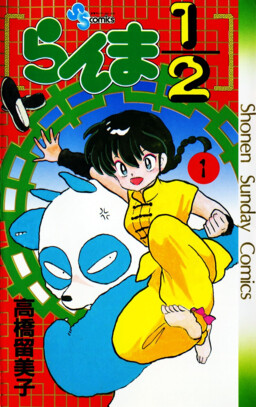
Ranma ½ Review: A Martial Artist Who Turns Into a Girl When Splashed With Cold Water
by Rumiko Takahashi
Read the first volume. If it doesn't hook you, put it down. It'll hook you.
Buy Ranma ½ on Amazon →*Affiliate link — I earn a small commission at no extra cost to you.
Ranma Saotome and his father fell into the cursed training springs of Jusenkyo in China. Genma fell into the spring of a drowned panda. Ranma fell into the spring of a drowned girl. Cold water activates the transformation. Hot water reverses it.
I'm Yu. The fights that double as comedy. When Ranma faces a new challenger with an improbable technique — martial arts figure skating, martial arts tea ceremony, martial arts calligraphy — the series takes the joke seriously enough to build genuine visual spectacle around it. The comedy requires the action to work, and the action is genuinely good.
Quick Take
- Rumiko Takahashi's Ranma ½ (らんま½) ran in Weekly Shonen Sunday — 38 volumes, complete.
- VIZ Media published the complete 38-volume English edition.
- Rated T (Teen) — gender transformation with some nudity handled comedically; martial arts violence is comic rather than graphic.
Story Overview
Ranma's father has promised him in engagement to one of the daughters of his training partner Soun Tendo. When they arrive — Genma as a panda, Ranma as a girl — the decision falls to the youngest daughter Akane, who hates boys. She's engaged to Ranma. Ranma is insufferable. Akane is furious. They are absolutely certain they hate each other.
The series follows this engagement through 38 volumes of increasingly elaborate martial arts rivals, ancient techniques, magical artifacts, and additional engagement candidates — all specifically designed to force two people who won't admit anything to stand in situations where what they feel is obvious to everyone except themselves.
Characters
Ranma Saotome — His arrogance and his genuine skill occupy the same space. He cares through action rather than declaration — protecting someone while insulting them. This is the series' most consistent emotional current.
Akane Tendo — Her fury at the situation, at Ranma, at herself for the moments she can't maintain it, is drawn with genuine dimension. Skilled, generous, bad at cooking, and aware that her feelings are not entirely under her control.
The rival cast — Shampoo, Ryoga, Mousse, Ukyo, Kodachi — each is a complete comedic and dramatic entity who could carry a series. Takahashi creates a dozen characters who matter and never loses track of them.
What I Love About It
Takahashi understands that comedy and choreography reinforce each other. A martial arts technique that is a joke is only funny if it is also visually convincing. Ranma's fights work as action. They also work as comedy. The two are inseparable.
The moments when the comedic armor drops — when Ranma does something that is only possible if he cares, without the usual layer of plausible deniability — are the series' most precise emotional moments. Takahashi earns each one through the volumes of comedy that precede it.
Memorable Scene ⚠️ Spoiler Warning
The moments of dropped armor. There are several across 38 volumes where Ranma acts in a way that can only mean one thing, and both characters pretend it did not happen. The series never resolves this definitively. But the accumulation of those moments is the series' real emotional story.
Pros & Cons
Pros:
- One of the greatest comedic martial arts manga ever made.
- Takahashi's ensemble cast is unmatched — a dozen characters who all matter.
- The Ranma/Akane relationship never loses its tension across 38 volumes.
- The art is technically superb and has aged well.
Cons:
- 38 volumes is a significant commitment.
- The romance never resolves as definitively as some readers want.
- Some gender humor reflects its late-1980s context.
Is Ranma ½ Worth Reading?
Yes — for readers who want the foundational martial arts romantic comedy in manga. The series demonstrates what Takahashi does better than anyone: maintaining "will they or won't they" tension across enormous length without letting it become frustrating. Complete at 38 volumes.
Who Is This Manga For?
- Readers who want comedy manga with genuine action choreography.
- Fans of chaotic ensemble casts where every character is a distinct comedic personality.
- Anyone who wants completed manga from manga's golden age by one of its definitive artists.
- Readers who enjoy romance where the tension is maintained with genuine craft.
Official English Translation Status
VIZ Media published the complete 38-volume English edition, including collected 2-in-1 editions. All formats available.
Where to Buy
VIZ Media's complete 38-volume English edition.
This post contains affiliate links. If you purchase through these links, I may earn a small commission at no extra cost to you. As an Amazon Associate, I earn from qualifying purchases.
*Affiliate link — I earn a small commission at no extra cost to you.
More Manga You Might Like
Action / Martial Arts
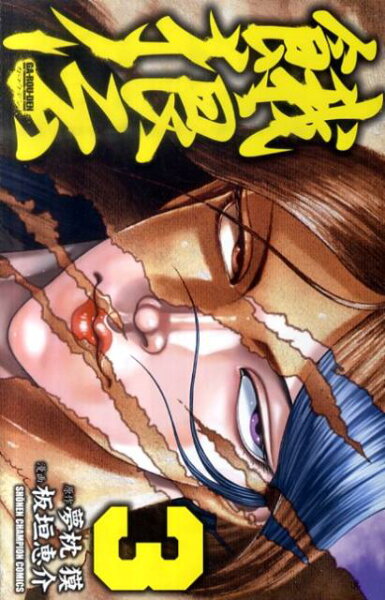
Garouden
Garouden follows Bunshichi Tanba, a former judoka who operates in the underground fighting world — a manga drawn by Jiro Taniguchi with psychological depth and physical authenticity rare in fighting manga.
Action / Comedy
Gintama
A review of Gintama — 77 volumes in Weekly Shonen Jump. Gintoki Sakata runs an odd-jobs business in an alternate Edo Japan where aliens conquered the country and samurai are forbidden to carry swords. The funniest manga ever made, hiding some of the most devastating serious arcs in the genre. VIZ Media's English edition is complete.
Action / Adventure
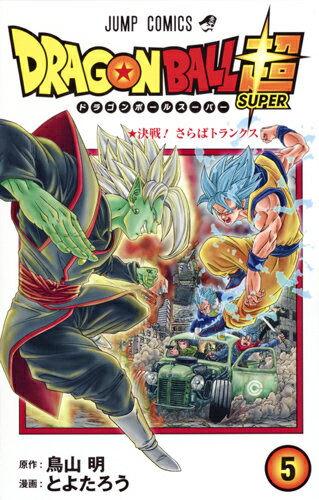
Dragon Ball
A review of Dragon Ball — 42 volumes in Weekly Shonen Jump. Son Goku's journey from a boy in the wilderness to the strongest being in the universe — the manga that defined what shonen action could be and that every battle manga since has owed something to. VIZ Media's English edition is complete.
Comedy / Action
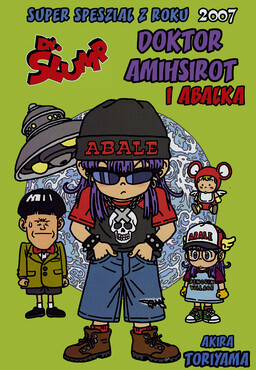
Dr. Slump
Yu's review of Dr. Slump — Senbei Norimaki is a not-very-good inventor who creates the perfect android girl, Arale, who is stronger than any human, has perfect vision but is terribly nearsighted without her glasses, and has the complete absence of self-preservation instinct that characterizes someone who cannot be hurt.
Action / Comedy
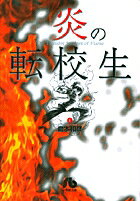
Blazing Transfer Student
Blazing Transfer Student parodies the conventions of school delinquent and transfer-student fight manga by playing every single convention completely straight — with such intensity that it becomes genuinely funny and then genuinely moving.
Action / Martial Arts
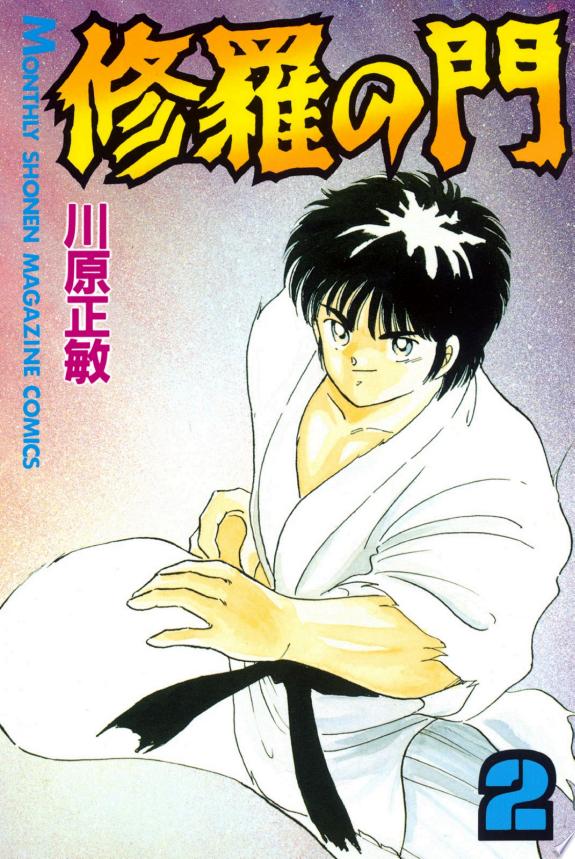
Shura no Mon
A review of Masatoshi Kawahara's Shura no Mon — 31 volumes in Monthly Shōnen Magazine from April 1987 to November 1996. Tsukumo Mutsu inherits an ancient killing art and faces every major martial discipline in modern Japan.
Written by
Yu
Manga Enthusiast from Japan
I grew up in Japan and manga literally saved me during a tough time in elementary school. My English isn't perfect, but my love for manga is real — and I want to share it with you.
Disclosure: This post contains affiliate links. As an Amazon Associate, I earn from qualifying purchases at no extra cost to you.