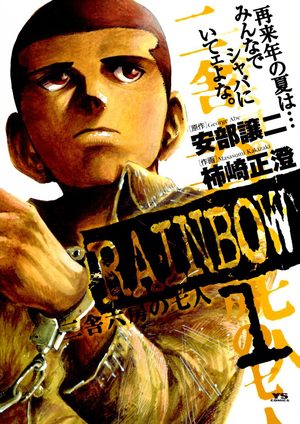
Rainbow Review: Seven Boys in a Postwar Japanese Reformatory Find the Only Thing That Lets Them Survive — Each Other
by George Abe / Masasumi Kakizaki
Read the first volume. If it doesn't hook you, put it down. It'll hook you.
Buy Rainbow: Nisha Rokubō no Shichinin on Amazon →*Affiliate link — I earn a small commission at no extra cost to you.
Quick Take
- Seven boys in a postwar Japanese reformatory, 1955 — the manga that is simultaneously the most brutal and the most moving thing I have ever read
- Rainbow earns every emotional moment by making you sit through what produced it
- 22 volumes complete; not for everyone, but unforgettable for those who can finish it
Who Is This Manga For?
- Readers who want manga that takes its emotional content seriously enough to earn it through difficulty
- Fans of survival and drama manga who can handle very graphic content in service of genuine humanity
- Anyone interested in postwar Japanese history and the social conditions it created
- Readers who finished other intense manga and want something that goes further
Content Warnings & Age Rating
Age Rating: M (Mature) Content Warnings: Extreme violence, sexual abuse, torture, death — these are not embellishments but structural elements of a story about what these things do to people
This is one of manga's most difficult reads. The content is neither gratuitous nor avoidable.
Yu's Rating
| Category | Score |
|---|---|
| Story Depth | ★★★★★ |
| Art Style | ★★★★☆ |
| Character Development | ★★★★★ |
| Accessibility for Non-Japanese Readers | ★★★★☆ |
| Reread Value | ★★★★☆ |
Story Overview
Japan, 1955. The war ended ten years ago. The economy is recovering but the social damage runs deep. Six teenage boys are sent to Shōnan Special Reform School — a reformatory where the guards are as brutal as what the boys came from.
They are placed in Cell 6 with Rokurouta Sakuragi, 19, a former boxer who has already been inside long enough to learn how to survive. He becomes their older brother in every way that matters.
The reformatory arc is not the whole story. After the boys serve their time, the manga follows them into adulthood — tracking what the reformatory did to them, what they make of their lives, and whether the bond they formed in Cell 6 can survive the different directions their lives take.
Characters
Rokurouta Sakuragi — Mario's description of him — "our sun" — is the emotional center of the series. He is not idealized. He is a person who has decided that, given everything the world has done to him, he will not become what the world wants him to be.
Mario Minakami — The POV character whose narration frames the series as a retrospective; his voice is the reader's guide through the worst of it.
Turtle, Soldier, Uncovered, Joe, Cabbage — Each of the six cellmates has a distinct arc in adulthood that reflects what the reformatory experience did to their specific character.
Art Style
Kakizaki's art handles both the violence and the brotherhood with equal conviction. The reformatory sequences — the darkness of the cells, the expressions of people being systematically degraded — are drawn with specificity that does not allow the reader to look away. The moments of genuine joy and connection between the seven boys are drawn with the same specificity, which is why they hit so hard.
Cultural Context
Postwar Japan produced a specific kind of institutional violence — the reformatory system that was supposed to rehabilitate became another form of the social damage that created the boys who entered it. Rainbow engages with how Japanese institutions processed the war's human wreckage, and what the people inside those institutions did with each other when the institutions failed them.
What I Love About It
The scene where Sakuragi teaches the boys to sing. In a reformatory where the guards systematically remove anything that could produce joy or solidarity, singing becomes an act of survival. The scene is a small one in a large manga, but it contains everything the series is trying to say.
What English-Speaking Fans Say
Western readers who finish Rainbow consistently describe it as the manga that stayed with them longest — not because of the violence, which is memorable in a different way, but because of what the seven boys' bond actually feels like across 22 volumes. The scene at the end of the reformatory arc, when they first step outside, generates consistent emotional response from readers who describe being surprised by how much they needed it.
Memorable Scene ⚠️ Spoiler Warning
The moment in adulthood when two of the six who have gone very different directions are reunited — and the specific way they recognize each other, past everything that has changed — is the series' statement about what the Cell 6 bond actually is.
Similar Manga
- Vagabond — Historical Japan, individual growth through hardship
- Berserk — Survival, brotherhood, darkness that earns its light
- Vinland Saga — Historical violence, redemption, what survival costs
- Goodnight Punpun — Social damage, adulthood, what childhood produces
Reading Order / Where to Start
Volume 1 — the reformatory and Cell 6 establish completely in the first arc.
Official English Translation Status
Viz Media published the complete 22-volume run. All volumes available.
Pros & Cons
Pros
- One of manga's most complete portraits of human resilience
- The seven-character ensemble is sustained across 22 volumes
- The historical setting is rendered with genuine research
- Complete in English
Cons
- The content warnings are serious — this is genuinely difficult material
- Not appropriate for younger readers under any circumstances
- The violence is graphic in ways that will turn some readers away
Format Comparison
| Format | Notes |
|---|---|
| Individual Volumes | Viz; standard |
| Digital | Available |
Where to Buy
Read the first volume. If it doesn't hook you, put it down. It'll hook you.
This post contains affiliate links. If you purchase through these links, I may earn a small commission at no extra cost to you. As an Amazon Associate, I earn from qualifying purchases.
*Affiliate link — I earn a small commission at no extra cost to you.
More Manga You Might Like
Action / Drama
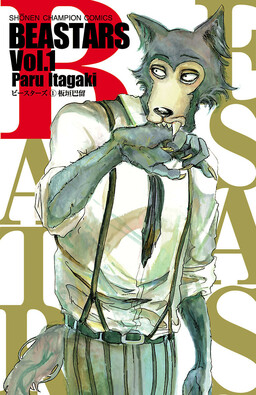
Beastars
Yu's review of Beastars — In a society of anthropomorphic animals where carnivores and herbivores live side by side, Legoshi is a gray wolf who is afraid of what he is. After a classmate is killed and eaten, he is pulled toward Haru, a tiny dwarf rabbit, and has to decide what kind of animal he wants to become.
Action / Drama
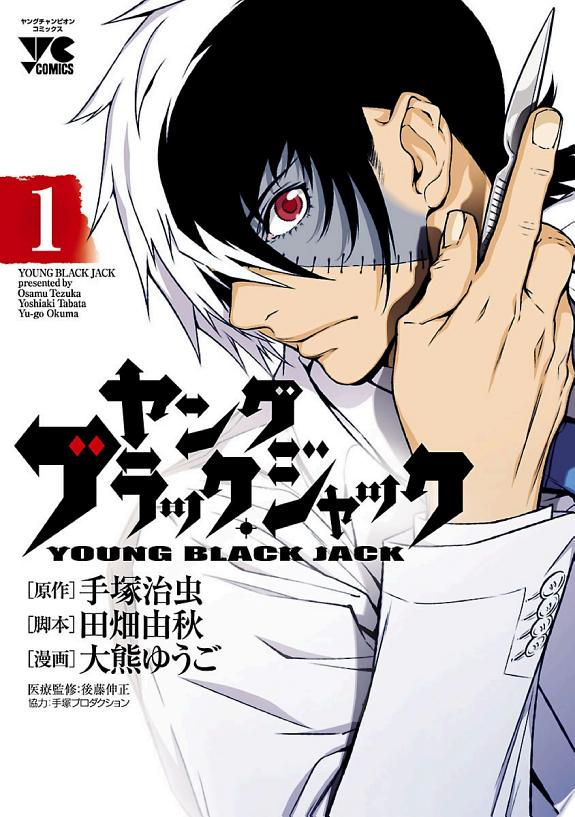
Young Black Jack
A review of Yoshiaki Tabata and Yugo Okuma's Young Black Jack — 16 volumes in Weekly Young Champion. Young Hazama Kuroo — the future Black Jack — as a medical student in 1960s Japan, performing extraordinary surgeries in an era of political upheaval and moral complexity. No official English edition.
Action / Drama
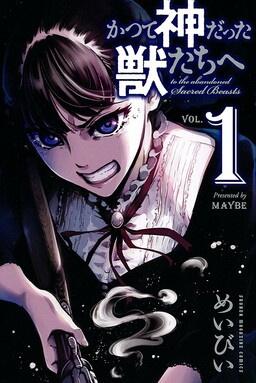
To the Abandoned Sacred Beasts
Yu's review of To the Abandoned Sacred Beasts — during a civil war, soldiers of the Northern Army were transformed into Incarnates — humans with the ability to become powerful monsters — to win; now the war is over, and the Incarnates cannot return to human society; the man who led them has become their hunter, and the daughter of one who died follows him.
Action
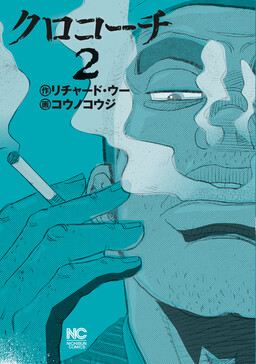
Inspector Kurokochi
Yu's review of Inspector Kurokochi — Keishi Kurokochi is a police inspector who is deeply, openly corrupt; his partner Seike is an idealist; together they solve cases that the normal police apparatus won't or can't touch; Seima Itoh's police manga about effective but morally compromised law enforcement.
Action / Drama
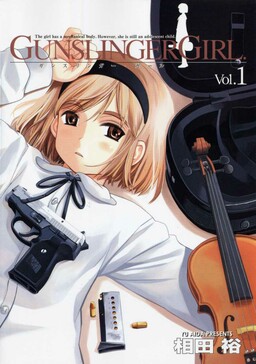
Gunslinger Girl
Yu's review of Gunslinger Girl — the Social Welfare Agency of Italy rescues girls from terminal illness or traumatic situations and gives them cybernetic bodies and psychological conditioning; each girl is paired with a handler and used for government counter-terrorism work; the series examines what this costs them.
Action / Crime
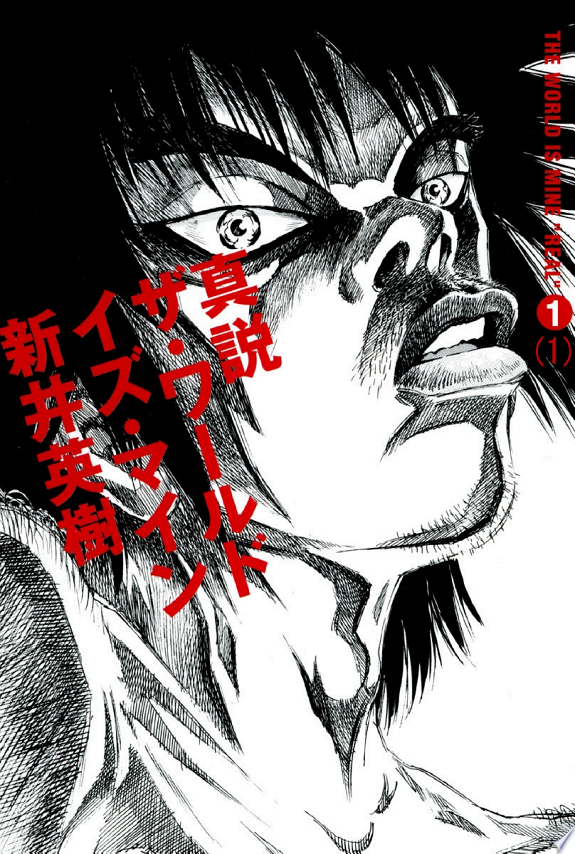
The World Is Mine
The World Is Mine follows two criminal partners — the unpredictable Mon and the calculating Toshi — on a violent crime spree across Japan, alongside a separate thread about a mysterious monster emerging in the wilderness.
Written by
Yu
Manga Enthusiast from Japan
I grew up in Japan and manga literally saved me during a tough time in elementary school. My English isn't perfect, but my love for manga is real — and I want to share it with you.
Disclosure: This post contains affiliate links. As an Amazon Associate, I earn from qualifying purchases at no extra cost to you.