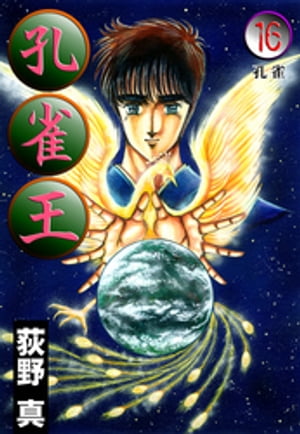
Peacock King Review: The Exorcist Manga That Made Buddhist Mythology Look This Cool
by Makoto Ogino
Read the first volume. If it doesn't hook you, put it down. It'll hook you.
Buy Peacock King on Amazon →*Affiliate link — I earn a small commission at no extra cost to you.
A Buddhist monk who fights demons with powers from Tantric ritual — in 1985. Before this kind of manga had a genre name.
Quick Take
- A late-80s esoteric action manga grounded in actual Buddhist and Shinto occult traditions
- Genuinely influential on the supernatural action genre — precursor to Blue Exorcist and others
- Only 8 of 28 volumes in English; the series is essentially inaccessible to completion in English
Who Is This Manga For?
- Readers interested in esoteric/occult manga from the era when the genre was establishing itself
- People who want supernatural action grounded in actual religious mythology
- Fans of the Peacock King films (1988, 1989) who want to trace the source material
- Anyone curious about the genre precursors to modern supernatural shonen
Content Warnings & Age Rating
Age Rating: M (Mature) Content Warnings: Violence, occult themes, sexual content, religious mythology (Buddhist and Shinto), character death
Adult content throughout. Not for younger readers.
Yu's Rating
| Category | Score |
|---|---|
| Story Depth | ★★★☆☆ |
| Art Style | ★★★☆☆ |
| Character Development | ★★★☆☆ |
| Accessibility for Non-Japanese Readers | ★★☆☆☆ |
| Reread Value | ★★★☆☆ |
Story Overview
Kujaku is a monk trained at a Tantric Buddhist temple, born with special powers he doesn't fully understand. He uses these powers — drawn from Peacock Wisdom King (Mahamayuri), a deity associated with the destruction of poison and evil — to battle demonic forces that threaten the living world.
The series follows Kujaku through a series of encounters with supernatural threats, each grounded in specific elements of Buddhist and Shinto mythology. He is assisted and occasionally complicated by Ahwone, a Taoist monk from China with his own agenda, and a young woman named Ryou who becomes drawn into his world.
The narrative is episodic in its early volumes, building toward larger conspiracies as the series progresses — a structure common to the era's action manga, where standalone adventures eventually accumulate into overarching conflict.
Characters
Kujaku — Competent, slightly remote, more interesting for what he represents (the tradition he draws on) than for conventional character development. His powers are specific and rooted in actual practice, which gives him a distinctiveness that more generically powered protagonists lack.
Ahwone — The more comedic counterpart, whose Taoist background provides contrast with Kujaku's Buddhist framework. Their relationship is the series' primary dynamic.
Art Style
Ogino's art reflects late-80s Weekly Young Jump aesthetics — detailed in the occult iconography, somewhat rougher in figure work. The supernatural imagery is the visual highlight: mandalas, ritual tools, and demon designs drawn with genuine research into the traditions they represent. By modern standards the art shows its age, but the specificity of the religious visual vocabulary remains distinctive.
Cultural Context
Peacock King arrived in 1985 during a period of significant interest in esoteric religion in Japanese popular culture — the "occult boom" of the 1980s that also produced the Doraemon Tibetan episodes and eventually led to the Aum Shinrikyo tragedy. The manga engages with this cultural moment by taking its occult material seriously as lore even while using it for entertainment.
Mahamayuri (孔雀明王) is a real figure in Tantric Buddhism — specifically associated with the removal of poison and negative forces. The choice of this deity as a power source was specific and meaningful within its cultural context.
What I Love About It
The research Ogino put into the religious iconography is what makes this stand out from other supernatural action manga of the period. Most such manga invent their mythology. Peacock King borrows from tradition — the specific mudras, mantras, and associated imagery are recognizable to anyone with knowledge of Tantric Buddhism.
That specificity gives Kujaku's powers a texture that generic "fight evil" manga lacks. When he deploys a particular technique, it means something within a real tradition. That's not nothing.
What English-Speaking Fans Say
Primarily remembered by readers who encountered it through Viz in the early 1990s — an era when English-language manga options were so limited that this was one of the few available examples of its type. Historical significance is frequently cited. Modern readers tend to find the art and pacing dated but the occult content genuinely interesting.
Memorable Scene ⚠️ Spoiler Warning
The ritual scenes — where Kujaku performs actual Tantric practice before or during combat — are the most distinctive visual moments in the manga. They look different from anything else in early-90s English manga publishing, which is precisely why they landed.
Similar Manga
| Title | Its Approach | How Peacock King Differs |
|---|---|---|
| Blue Exorcist | Exorcist action with Christian/occult elements | Blue Exorcist is more character-focused and modern; Peacock King is grounded in Buddhist tradition |
| Dororo | Supernatural Japanese mythology in action context | Dororo is more humanistic; Peacock King is more occult-focused |
| Shaman King | Spirit-based combat with shamanic traditions | Shaman King is more accessible; Peacock King takes its tradition more seriously |
Reading Order / Where to Start
Volume 1, straight through. The episodic early structure makes any volume a reasonable entry point, though starting from the beginning provides the most context.
Official English Translation Status
Viz Media published 8 volumes in English. The complete series is 28 volumes in Japanese. The English release is significantly incomplete.
Pros & Cons
Pros
- Genuine research into Buddhist and Taoist esoteric traditions
- Influential predecessor to the supernatural action genre
- The occult visual vocabulary is distinctive and specific
- Important historical text for understanding the genre's development
Cons
- Only 8 of 28 volumes available in English
- Art reflects its late-80s context — will feel dated to modern readers
- Cultural context (Tantric Buddhism, Shinto mythology) requires background to fully appreciate
- The mature content limits its audience significantly
- Episodic early structure may frustrate readers wanting sustained narrative
Is Peacock King Worth Reading?
For genre history enthusiasts and readers with interest in esoteric religious content, yes. For casual readers, the incomplete English release and dated presentation are significant obstacles.
Format Comparison
| Format | Pros | Cons |
|---|---|---|
| Physical | Period-specific feel suits the material | Out of print; incomplete |
| Digital | More accessible | — |
| Omnibus | No omnibus available | — |
Where to Buy
Read the first volume. If it doesn't hook you, put it down. It'll hook you.
This post contains affiliate links. If you purchase through these links, I may earn a small commission at no extra cost to you. As an Amazon Associate, I earn from qualifying purchases.
*Affiliate link — I earn a small commission at no extra cost to you.
More Manga You Might Like
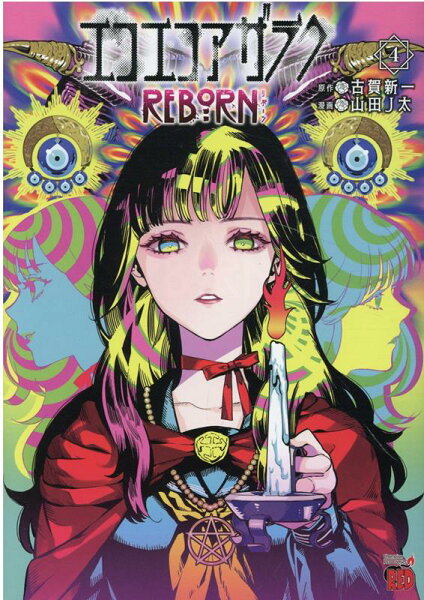
Horror / Action
Eko Eko Azarak
Eko Eko Azarak follows Misa Kuroi, a teenage witch who attends ordinary high school and uses her dark magical abilities to deal with supernatural threats — without mercy, without sentiment, and without the comfort of a happy ending.
Action / Horror
Violence Jack
Go Nagai's brutal post-apocalyptic saga following a giant warrior wandering a Japan destroyed by earthquake.
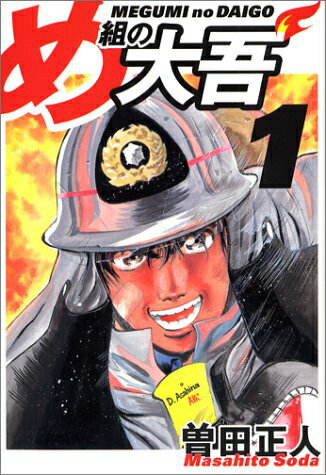
Action / Drama
Daigo of Fire Company M
Daigo of Fire Company M follows Daigo Asahina, an extraordinary new firefighter who joins Company M — and the question of what drives a young man of exceptional ability to choose the most dangerous possible job.
Action / Sci-Fi
Cobra
Cobra is the greatest space pirate who ever lived — charming, unstoppable, and armed with the Psychogun fused to his arm — in a galaxy-spanning adventure that turned stylish cool into a manga philosophy.
Action / Martial Arts
Garouden
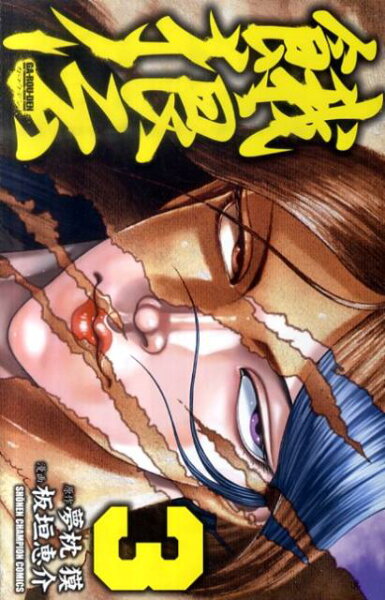
Garouden follows Bunshichi Tanba, a former judoka who operates in the underground fighting world — a manga drawn by Jiro Taniguchi with psychological depth and physical authenticity rare in fighting manga.

Action / Comedy
City Hunter
A sweeper for hire in Shinjuku cleans up the city's worst criminals while hiding a heart softer than anyone suspects — City Hunter is the definitive action-romance manga.
Written by
Yu
Manga Enthusiast from Japan
I grew up in Japan and manga literally saved me during a tough time in elementary school. My English isn't perfect, but my love for manga is real — and I want to share it with you.
Disclosure: This post contains affiliate links. As an Amazon Associate, I earn from qualifying purchases at no extra cost to you.